How Long Does a Radiator Last? Real Lifespan and Signs It's Failing
When it comes to keeping your engine from turning into a paperweight, the radiator, a metal heat exchanger that cools engine coolant by circulating it through fins and tubes. Also known as a cooling radiator, it’s one of the few parts in your car that works non-stop—rain or shine, summer heat or winter frost—and rarely gets thanks until it fails. Most radiators last between 8 and 12 years, but that’s only if you treat them right. Many fail way sooner because of neglect, cheap coolant, or tiny leaks that turn into big problems.
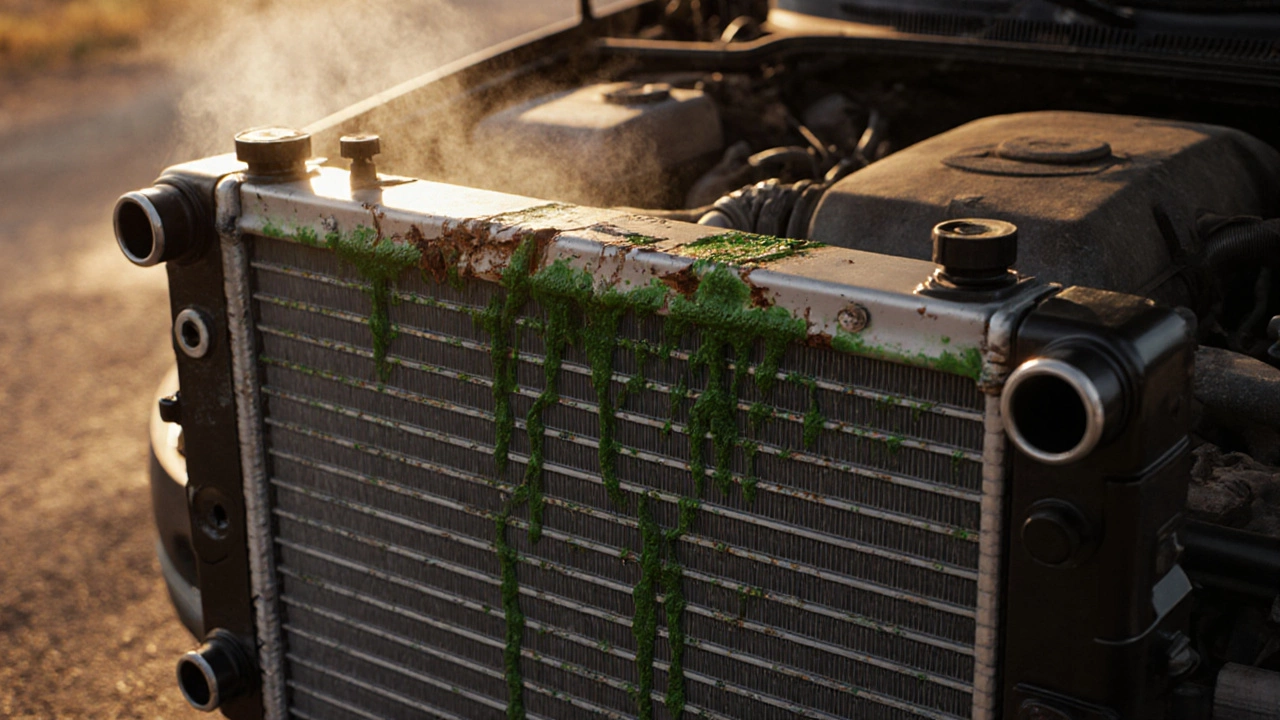
The cooling system, the network of hoses, water pump, thermostat, and radiator that regulates engine temperature doesn’t work in isolation. A failing water pump, clogged hose, or dirty coolant can all stress the radiator and shorten its life. And if you’re using plain water instead of proper antifreeze, you’re not just risking freeze-ups—you’re inviting rust, scale, and corrosion inside the radiator’s tiny passages. Over time, that buildup blocks coolant flow, causes hot spots, and leads to cracks or leaks. You don’t need a mechanic to spot early signs: if your car overheats on short drives, you see green or orange puddles under the engine, or the temperature gauge creeps up even in traffic, your radiator is sending a message.
It’s not just age that kills radiators. Road debris like stones and bugs can dent the fins, reducing airflow. Salt from winter roads eats away at aluminum parts. And if you’ve ever topped off coolant with the wrong type—say, mixing green with orange—you’ve created chemical sludge that gums up the system. The radiator cap, the pressure-regulating seal that keeps coolant under tension to raise its boiling point is often ignored, but a weak cap can let coolant boil off, leading to overheating and internal damage. Replacing it every few years is cheap insurance.
Most people wait until the engine starts steaming before they act. But by then, you’re already risking warped heads, blown gaskets, or worse. The smart move is regular checks: look for leaks, feel the upper hose for firm pressure when warm, and make sure the coolant level stays steady between changes. If your radiator is over 10 years old and you’ve never flushed the system, you’re playing Russian roulette with your engine. Replacing a radiator isn’t cheap, but it’s nothing compared to replacing an engine.
Below, you’ll find real-world guides from UK drivers and mechanics on how to spot radiator trouble early, what to check when it’s failing, and how to avoid the most common mistakes that lead to expensive repairs. Whether you’re trying to stretch your radiator’s life or deciding whether to replace it, these posts give you the facts—not the fluff.
What Is the Life Expectancy of a Car Radiator?
Most car radiators last 8-12 years, but neglect can cut that in half. Learn the signs of failure, how to extend radiator life, and when to replace it before engine damage happens.
November 18 2025