Fuel Pressure Test: How to Diagnose Fuel System Problems in Your Car
When your car sputters, stalls, or won’t start—even with a full tank—the problem might not be the battery or spark plugs. It could be your fuel pressure test, a diagnostic procedure that measures the pressure in your car’s fuel delivery system to ensure the engine gets the right amount of fuel. Also known as fuel system pressure check, it’s one of the most reliable ways to catch failing fuel pumps, clogged filters, or leaking regulators before your car leaves you stranded.
Without proper fuel pressure, your engine won’t run smoothly. Too little pressure and the engine misfires or struggles to accelerate. Too much pressure and you risk flooding the engine or damaging fuel injectors. The fuel pump, the component that pushes fuel from the tank to the engine is often the culprit, but it’s not always the first thing to check. The fuel pressure regulator, a small valve that maintains consistent pressure by returning excess fuel to the tank can also fail silently, causing poor fuel economy or rough idling. And if your fuel injector, the tiny nozzle that sprays fuel into the engine’s combustion chamber is clogged or leaking, no amount of pressure will fix the problem—it just makes it worse.
Most cars need between 30 and 60 psi of fuel pressure, but exact numbers vary by make and model. A fuel pressure test doesn’t require fancy tools—just a gauge, a fitting, and a little patience. You don’t need to be a mechanic to do it, but you do need to know what to look for. If your pressure drops when you rev the engine, or if it stays high even when the engine is off, something’s wrong. And if you’ve been ignoring a check engine light that says "lean fuel mixture" or "fuel system too rich," that’s your clue to check the pressure before you spend money on sensors or ECU repairs.
Many of the posts below show how problems with fuel pressure connect to other parts of your car. A failing fuel pump can mimic bad spark plugs. A leaking regulator can make your oil smell like gas. A clogged fuel filter can cause symptoms that look like a failing ignition coil. That’s why a fuel pressure test is the first step in narrowing down the real issue. It’s not glamorous, but it saves time, money, and frustration.
Below, you’ll find real-world guides from UK drivers and mechanics who’ve been there—how to test fuel pressure without a shop, what readings mean, which tools to use, and when to call a pro. No fluff. No theory. Just what works.
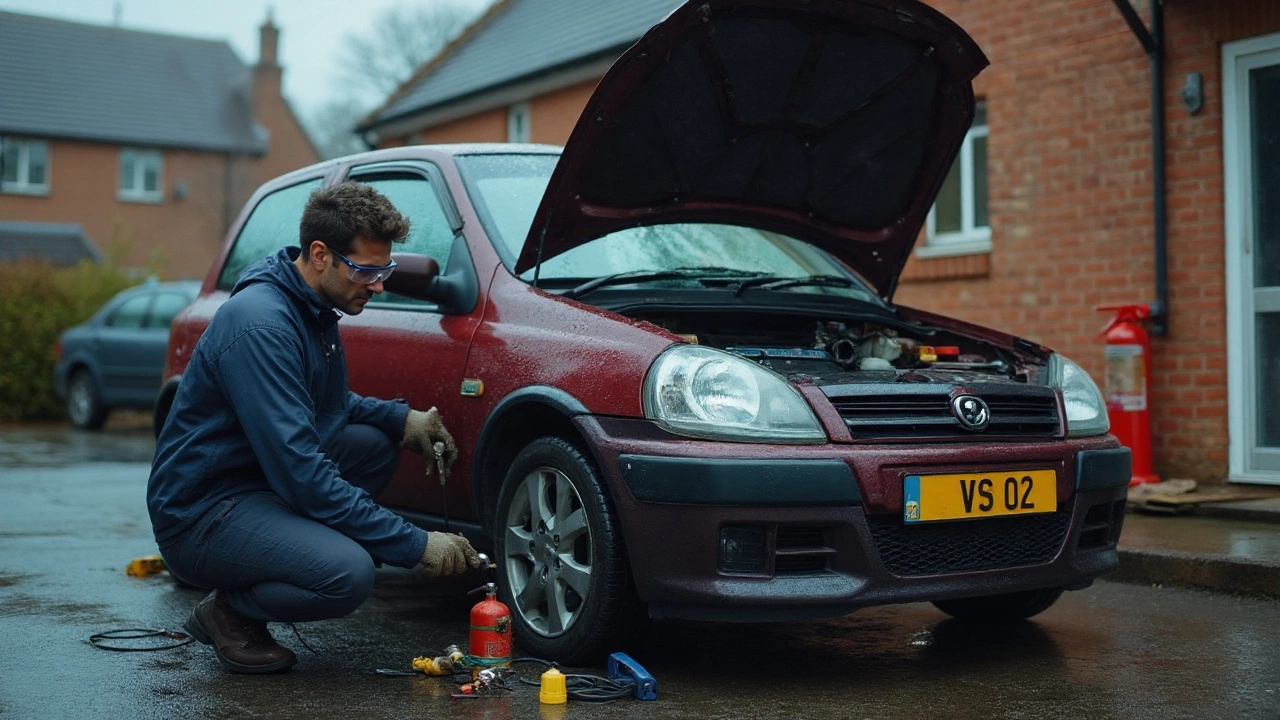
How to Check a Fuel Pump: Step-by-Step Diagnosis, Symptoms, and Tests
DIY guide to check a fuel pump: symptoms, quick tests, fuel pressure readings, relay checks, and pro tips to confirm the fault safely at home.
September 16 2025