Engine Oil Failure: Signs, Causes, and How to Prevent Costly Damage
When engine oil failure, the breakdown of lubricating oil inside a car’s engine, leading to increased friction, heat, and potential mechanical collapse. Also known as lubrication failure, it’s not a slow fade—it’s often a silent killer that leaves drivers stranded with a $5,000 repair bill. Most people think oil just gets dirty over time. That’s not the whole story. Oil doesn’t just wear out—it chemically breaks down, loses its ability to protect, and turns into sludge. And when that happens, your engine parts start grinding against each other like sandpaper on metal.
What causes this? Skipping oil changes is the biggest one. Going over 5,000 miles between changes lets contaminants build up, and heat starts cooking the oil into gunk. But it’s not just mileage. Short trips, stop-and-go traffic, and extreme temperatures all speed up oil degradation, the chemical breakdown of motor oil that reduces its viscosity and protective qualities. Even if you drive little, oil sits in the engine, absorbs moisture, and oxidizes. That’s why oil that’s been sitting for over a year—even in a garage—can fail. And if you’re using the wrong type? full synthetic oil, a high-performance lubricant engineered for extreme heat and long intervals, but not always suitable for older engines. Some high-mileage engines actually need thicker, conventional blends. Using full synthetic in the wrong car can cause leaks or worse.
Here’s what happens when oil fails: your engine starts running rough. You might hear knocking or ticking. Fuel economy drops. The check engine light flickers. Then, if you keep driving, the bearings wear out, the pistons seize, and the engine locks up. No warning. No mercy. That’s why checking your oil isn’t just a chore—it’s your last line of defense. Look for dark, gritty oil. Smell it—if it smells burnt, it’s cooked. Check the dipstick for metal flakes. Those are signs your engine is already hurting.
And don’t assume your car’s oil life monitor is always right. Those systems guess based on mileage and time, but they don’t know if you’ve been towing, idling for hours, or driving in dust. Real oil health comes from physical checks, not digital estimates.
Below, you’ll find real-world guides on what happens when oil goes bad, how to spot trouble early, why some oils fail faster than others, and how to avoid the mistakes that lead to engine death. No theory. No fluff. Just what works on UK roads, in real cars, with real drivers.
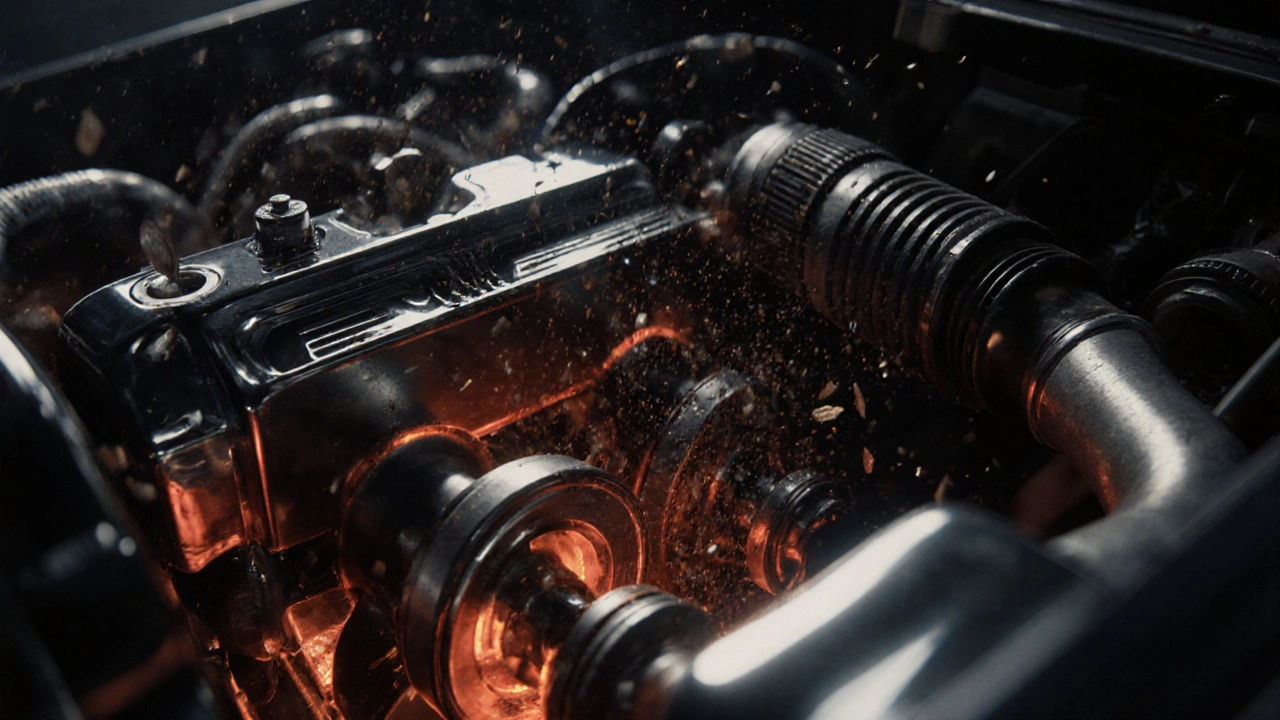
How Long Will a Car Run Without Oil? The Real Timeline and What Happens Inside the Engine
Driving without engine oil can destroy your engine in under 30 seconds. Learn what happens inside, how long you can really run without oil, and how to prevent catastrophic damage before it's too late.
October 27 2025