Clutch Wear: Signs, Causes, and What to Replace When It Fails
When your clutch wear, the gradual deterioration of the clutch disc and related components due to friction and use. Also known as clutch degradation, it’s one of those slow-burning problems that doesn’t scream for attention—until you can’t get into gear. Most drivers don’t notice clutch wear until it’s too late. You might feel a slight slip when accelerating, hear a strange grinding noise, or notice the pedal feels higher than usual. These aren’t just annoyances—they’re warning signs your clutch is running on borrowed time.
Clutch wear doesn’t happen in isolation. It’s tied to other parts that often need attention at the same time. For example, a worn clutch usually means the flywheel, the heavy metal disc that connects the engine to the transmission and smooths out power delivery. Also known as engine flywheel, it can become warped or glazed from heat and friction. If you replace the clutch but leave a damaged flywheel behind, the new clutch will wear out fast. Same goes for the pressure plate, the spring-loaded component that presses the clutch disc against the flywheel. Also known as clutch cover, it’s responsible for applying the force that engages the clutch. If the springs are weak or the surface is scored, you’re setting yourself up for another repair in months, not years.
What causes clutch wear in the first place? It’s not always bad driving. But habits like riding the clutch pedal, holding the car on a hill with the clutch instead of the brake, or shifting too fast under load will eat through it faster than normal. Even normal driving in heavy traffic adds up. In the UK, where stop-start city driving is common, clutches often don’t last beyond 80,000 miles. And if you’ve got a high-torque engine or tow regularly? That number drops even further.
There’s no magic number for when a clutch should die. But if your car hesitates when you press the gas, smells like burning, or won’t go into gear without grinding, you’re not imagining it. A mechanic might tell you it’s fine—until you’re stuck on a hill with no clutch at all. That’s why it’s smarter to catch it early. And when you do replace it, don’t just swap the clutch. Check the release bearing, the hydraulic lines, and even the engine mounts. One of those parts failing right after a clutch job is the most common reason people say, "I just had this done!"
You’ll find real-world advice here on how to spot clutch wear before it leaves you stranded, what parts to replace alongside it, and how to avoid the costly mistakes most drivers make. No fluff. Just what actually matters when your clutch starts acting up.
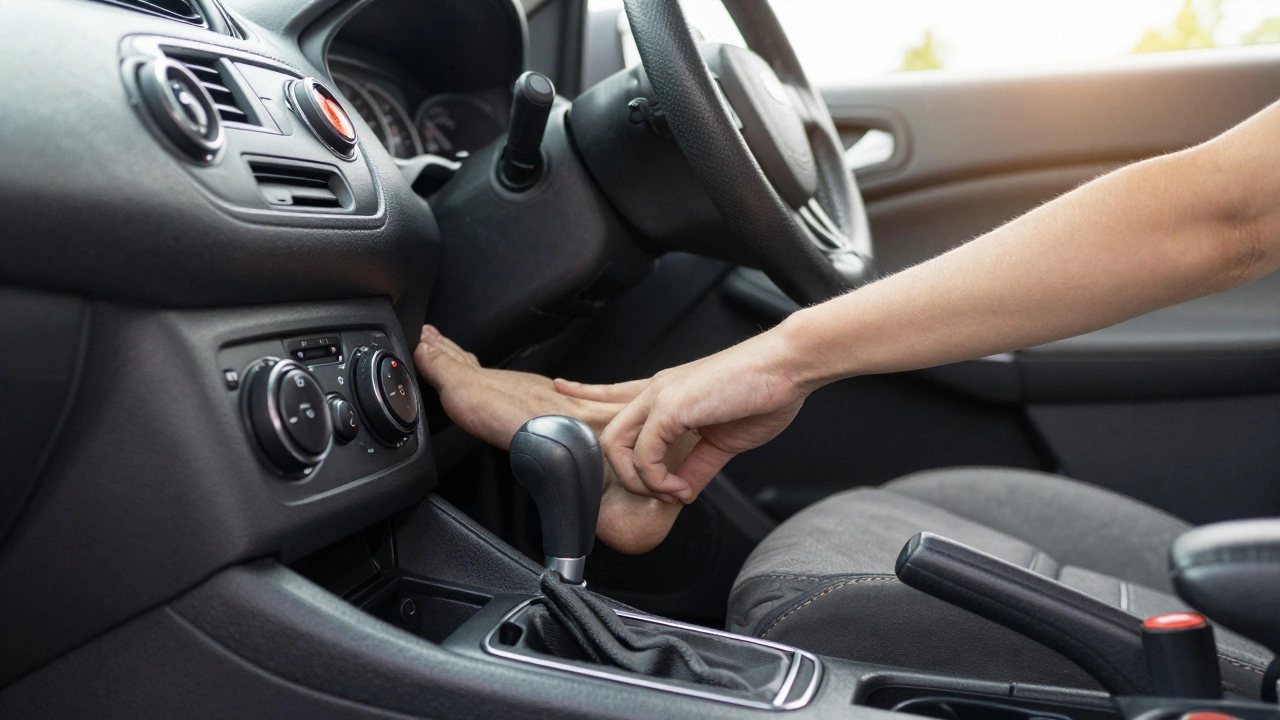
What Is the Average Life of a Clutch? Real-World Expectations and How to Extend It
Most clutches last 60,000 to 100,000 miles, but driving habits can cut that in half. Learn the real signs of wear, how to extend clutch life, and what to look for in a replacement kit.
December 4 2025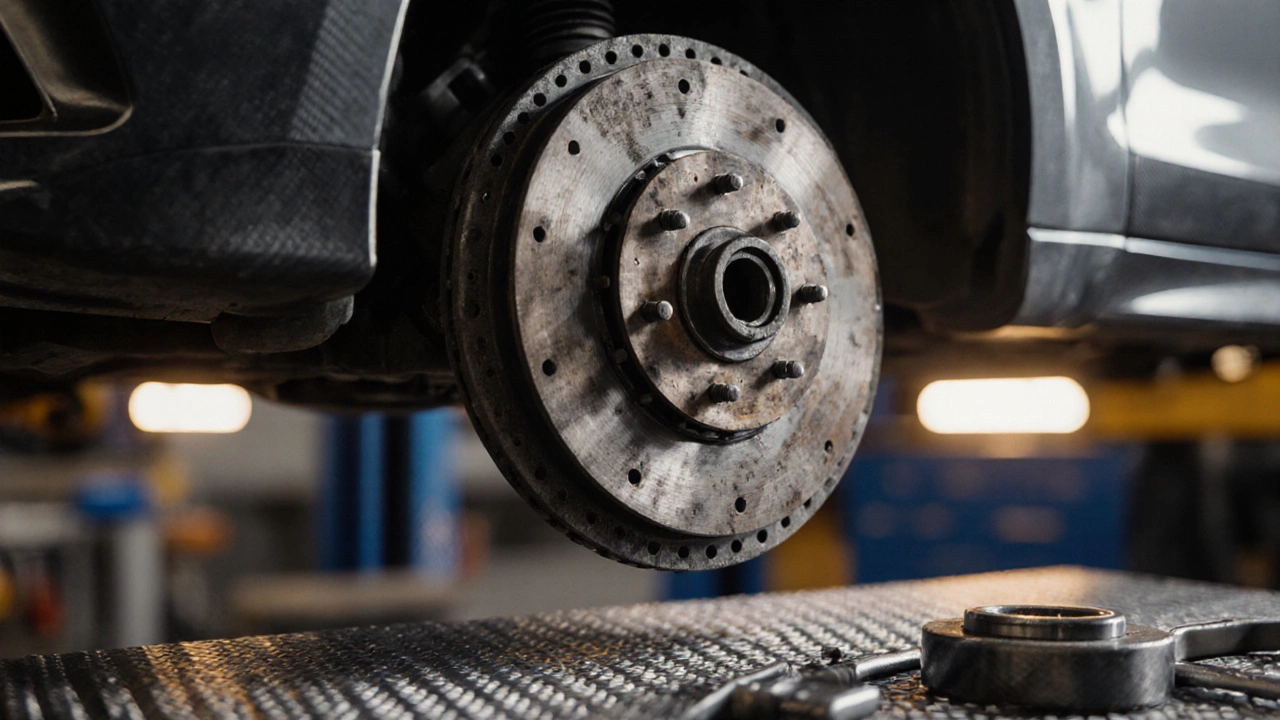
How Many Miles Should a Clutch Last? Real-World Expectations for Clutch Kits
Most clutches last between 60,000 and 100,000 miles, but driving habits make a huge difference. Learn what really wears out a clutch and how to make yours last longer.
November 15 2025