Clutch Repair Tips: How to Extend Clutch Life and Avoid Costly Mistakes
When your clutch, the component that connects your engine to the transmission so you can shift gears smoothly. Also known as clutch assembly, it's one of the most abused parts in manual cars. starts slipping or grinding, it’s not just a minor annoyance—it’s a warning that you’re risking expensive damage. Most clutches last between 60,000 and 100,000 miles, but bad habits can kill one in under 30,000. The good news? With the right clutch repair tips, you can stretch its life and avoid a full replacement sooner than you think.
Clutch failure rarely happens out of nowhere. It’s usually the result of small, repeated mistakes. Riding the clutch—keeping your foot lightly on the pedal while driving—creates constant friction that wears down the disc faster than normal use. Then there’s the habit of holding the car on a hill with the clutch instead of the brake. That’s like slowly sanding down the friction material. And if you’re revving the engine hard before releasing the clutch, especially when towing or driving uphill, you’re putting serious stress on the flywheel, the heavy metal disc that connects to the engine crankshaft and works with the clutch to transfer power. A warped or cracked flywheel doesn’t just ruin a new clutch—it can cost hundreds more to replace.
When you do need to replace the clutch, don’t just swap the disc. Always check the pressure plate, the spring-loaded component that clamps the clutch disc against the flywheel. If it’s worn or weak, it won’t grip properly, leading to slippage even with a brand-new disc. The release bearing, the part that pushes against the pressure plate when you press the pedal. is another hidden culprit. A noisy or stiff release bearing means the clutch isn’t disengaging cleanly, which strains the gearbox and shortens the life of everything connected to it. Many mechanics skip these checks to save time—but they’re the reason so many people have to replace their clutch twice in five years.
Driving style matters more than mileage. A taxi driver who’s constantly stopping and starting in traffic might wear out a clutch before 50,000 miles. A driver who uses the clutch only when shifting and lets the engine idle in neutral at lights could get 150,000 miles out of the same part. It’s not magic—it’s physics. Less friction equals less wear. And if you’re planning a clutch replacement, take the chance to inspect the hydraulic lines, the fluid-filled tubes that connect the clutch pedal to the clutch mechanism. Leaks here mean the clutch won’t engage fully, and air in the system makes the pedal feel spongy. Fixing a small leak now saves you from a full system flush later.
There’s no magic tool or quick fix that turns a worn clutch back into a new one. But there are plenty of smart, simple habits that keep it working longer. Know the signs: grinding when shifting, a clutch pedal that feels higher than usual, or the car lurching when you let off the gas. These aren’t just annoying—they’re clues. The posts below give you the real-world details: what to replace alongside the clutch, how to spot early wear before it turns into a breakdown, and what most mechanics won’t tell you about clutch kits and driving habits. You don’t need to be a mechanic to save hundreds—or even thousands—on clutch repairs. You just need to know what to look for.
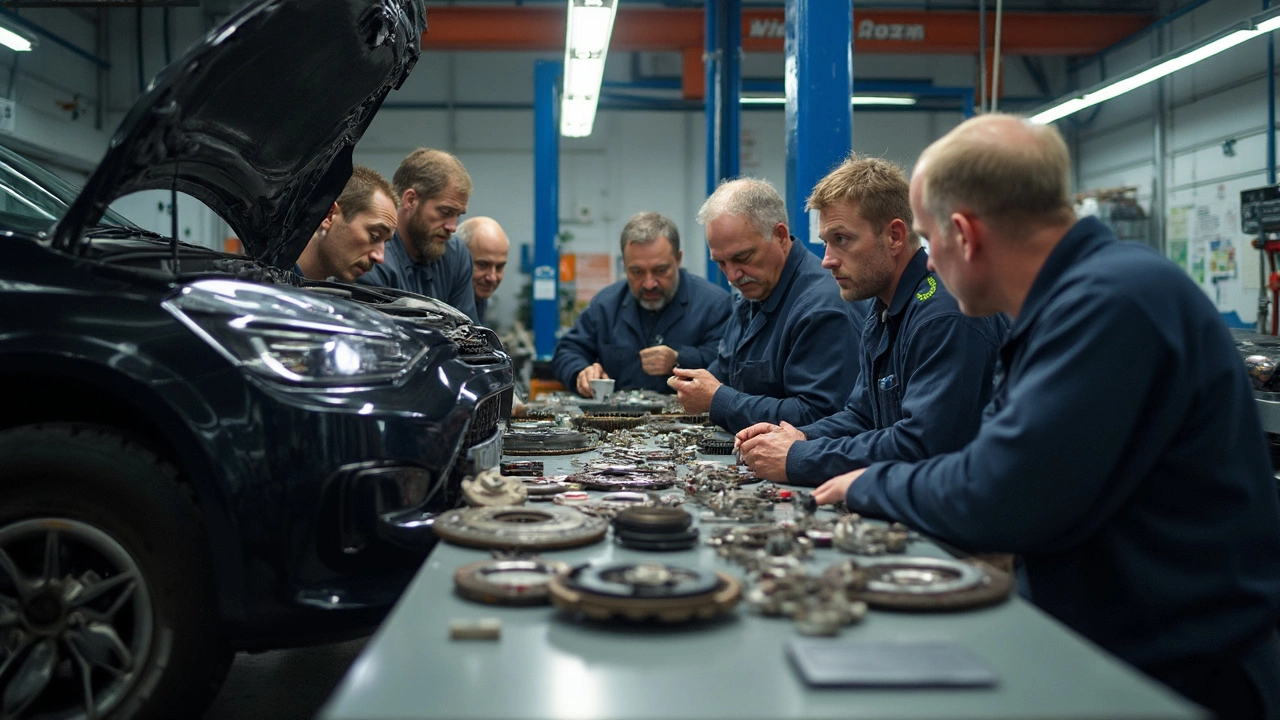
Clutch Replacement Cost: What to Expect and How to Save
Wondering how much a full clutch replacement really costs? This article breaks down the actual prices, what affects the cost, and what you’re really paying for at the shop. Find out when your clutch needs replacing and how you can cut your repair bill without skimping on quality. We’ll walk through tips to make sure you don’t get ripped off and answer the questions most folks have before spending big. Get the lowdown before you hand over your keys.
May 29 2025