Clutch Kit Longevity: How Long Should Your Clutch Last and What Kills It?
When you press the clutch pedal, you're relying on a clutch kit, a set of components that connects and disconnects engine power from the transmission. Also known as a clutch assembly, this system includes the clutch disc, pressure plate, release bearing, and sometimes the flywheel — all working together to let you shift smoothly. A well-made clutch kit can last over 100,000 miles, but many drivers replace theirs before 60,000 because of how they drive, not because the parts wore out naturally.
What kills a clutch faster isn’t age — it’s habit. Riding the clutch pedal while waiting at lights, popping the clutch to launch from a stop, or driving with your foot lightly on the pedal all create heat and friction that eat away at the friction material. If you live in stop-and-go traffic, tow heavy loads, or drive a manual truck, your clutch works harder than in a quiet highway commute. The flywheel, the heavy metal disc bolted to the engine crankshaft that the clutch presses against can also wear or crack over time, especially if the clutch slips often. And if you don’t replace the release bearing, the part that pushes the pressure plate when you press the pedal at the same time as the clutch, you’ll likely hear a grinding noise within months. These parts are designed to be replaced together — skipping one means paying twice.
There’s no magic number for clutch life. It’s not like an oil change every 5,000 miles. But there are signs you can’t ignore: a clutch that feels spongy or doesn’t engage until the pedal is almost all the way up, a burning smell from the engine bay, or the engine revving higher than normal without the car speeding up. If you feel vibrations when you let the clutch out, or hear grinding when shifting, your clutch or flywheel is already damaged. Waiting too long risks damaging the transmission — and that’s a repair that costs three times as much.
What you’ll find below are real-world guides from UK drivers and mechanics who’ve been there. You’ll learn how to spot early clutch wear before it turns into a breakdown, why replacing the flywheel at the same time saves money, and what other parts you should check when you’re already under the car. Whether you’re doing the job yourself or just trying to avoid being overcharged at a garage, these posts give you the facts — no fluff, no upsells, just what actually matters for your clutch’s longevity.
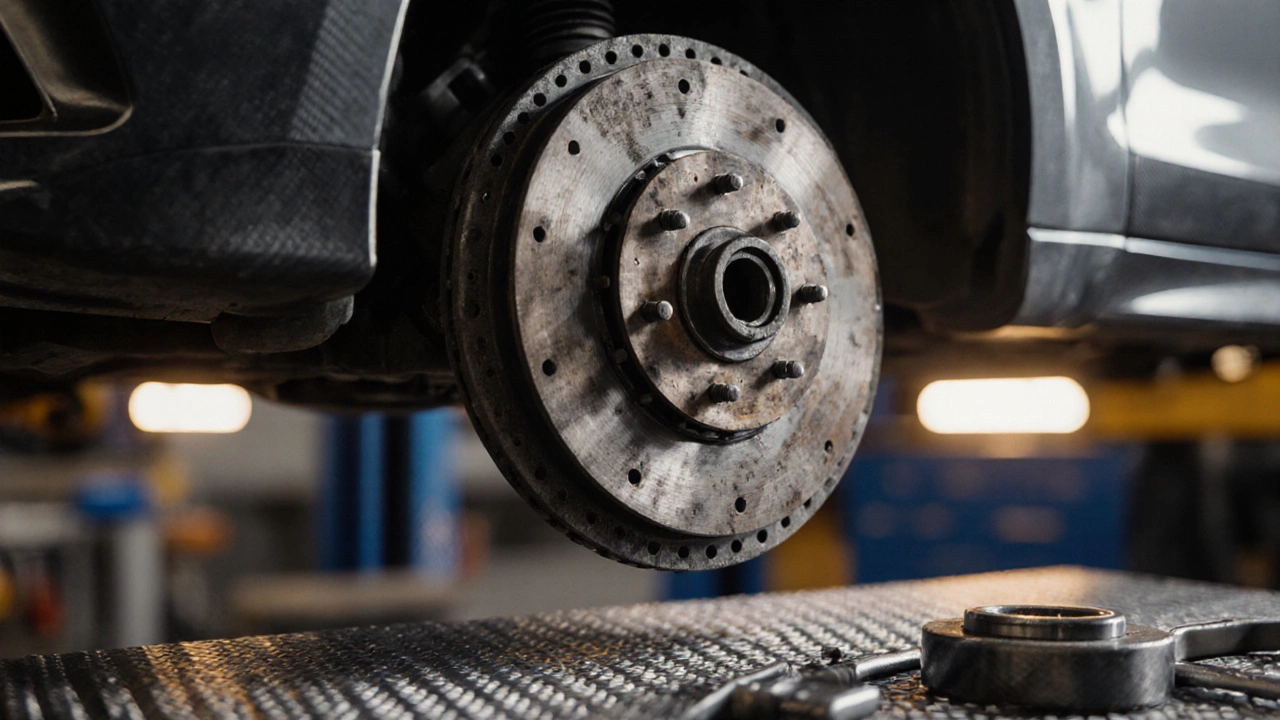
How Many Miles Should a Clutch Last? Real-World Expectations for Clutch Kits
Most clutches last between 60,000 and 100,000 miles, but driving habits make a huge difference. Learn what really wears out a clutch and how to make yours last longer.
November 15 2025