Clutch Kit Damage: Signs, Causes, and How to Avoid Costly Repairs
When your clutch kit, the set of components that connects your engine to the transmission, including the clutch disc, pressure plate, and release bearing. Also known as a clutch assembly, it’s one of the most abused parts in manual cars. It’s not just a simple pad—it’s a precision system that wears out from how you drive, not just mileage. Most people think a clutch lasts 100,000 miles no matter what, but that’s only true if you treat it right. Slamming the pedal, riding the clutch at traffic lights, or launching hard from a stop can wreck it in under 30,000 miles.
Clutch kit damage rarely happens alone. When the clutch disc starts to glaze or crack, it often drags the flywheel, the heavy metal disc bolted to the engine that the clutch presses against. Also known as a engine flywheel, it can warp or develop hot spots from heat buildup caused by a slipping clutch. If you replace just the clutch and leave a damaged flywheel, the new clutch will wear out fast—or even fail within weeks. Same goes for the pressure plate, the spring-loaded component that clamps the clutch disc against the flywheel. Also known as a clutch cover, it’s built to last, but if the release bearing fails or the hydraulic system leaks, it can get misaligned and start grinding. You don’t just replace a clutch—you replace a system. That’s why the best mechanics always check the flywheel, release bearing, and slave cylinder when a clutch goes bad.
Early signs of clutch kit damage aren’t always loud. You might notice the car doesn’t respond when you press the pedal, or the engine revs higher without speed gain—this is slipping. Or maybe the pedal feels spongy, or you hear a grinding noise when shifting. These aren’t just "normal wear"—they’re warnings. Ignoring them means you’re not just risking a breakdown; you’re risking a much bigger repair bill. The good news? Catching it early means you might only need to swap the clutch and bearing. Wait too long, and you’re looking at a new flywheel, hydraulic lines, and maybe even transmission damage.
Below, you’ll find real-world guides from UK drivers and mechanics who’ve been there. They break down what actually causes clutch failure, what parts you must check when replacing one, and how to spot trouble before it turns into a tow truck call.
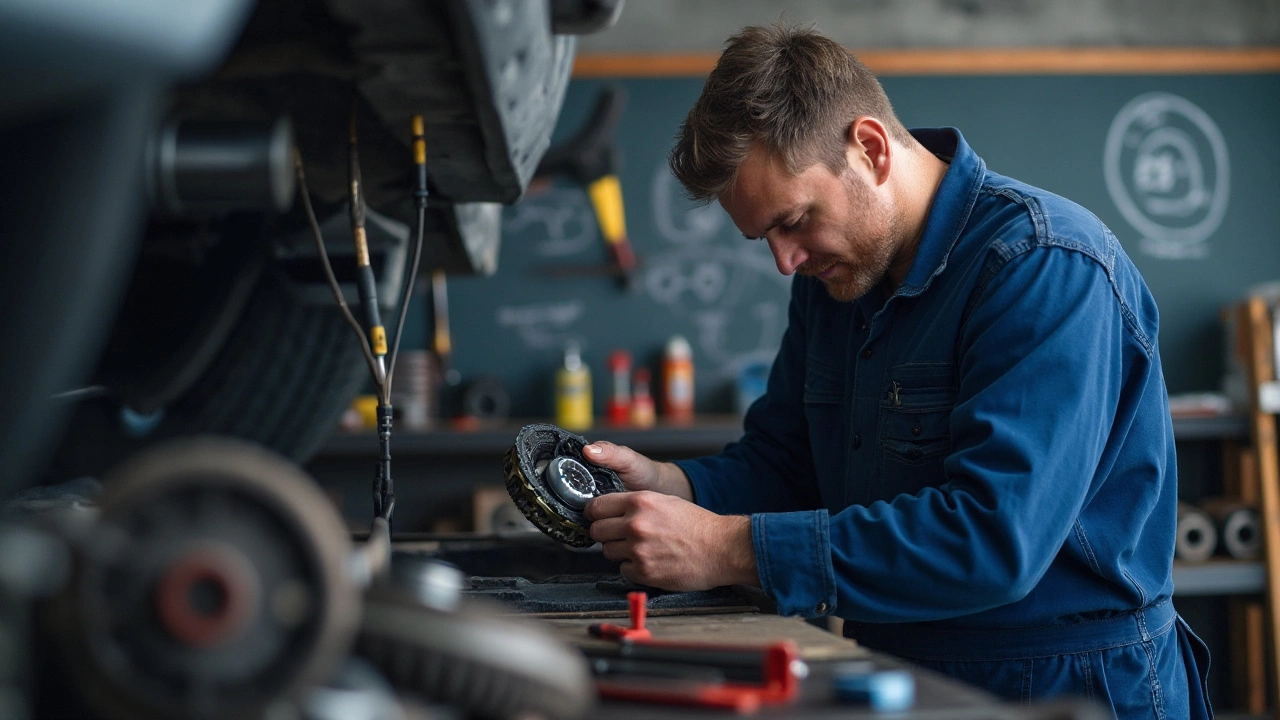
Essential Reasons for Clutch Kit Damage and Prevention Tips
A clutch kit is a vital component in manual transmission vehicles, and its proper functioning is crucial for smooth driving. This article explores the common causes of clutch kit damage, including driving habits and maintenance issues. We'll provide practical advice on early detection of clutch problems and tips to prevent premature wear and damage. Readers will gain essential knowledge to extend the lifespan of their vehicle's clutch kit and maintain efficient performance.
January 23 2025