Car Radiator Replacement: Signs, Causes, and What You Need to Know
When your engine starts running too hot, it’s rarely just a coincidence. The car radiator, a critical component in your vehicle’s cooling system that transfers heat from engine coolant to the air. Also known as the engine radiator, it’s the unsung hero keeping your engine from turning into scrap metal. Most people don’t think about it until the temperature gauge hits red. But a failing radiator doesn’t just overheat—it can wreck your engine in minutes if you ignore the warning signs.
A radiator, a metal-and-plastic heat exchanger that circulates coolant through the engine and releases heat into the air doesn’t last forever. On average, it lasts between 8 and 12 years, but harsh driving, poor maintenance, or cheap coolant can cut that in half. You’ll know something’s wrong if you see coolant leaks under your car, steam rising from the hood, or if your heater blows cold air while the engine runs hot. These aren’t just inconveniences—they’re red flags. A cracked tank, corroded fins, or a clogged core means your radiator can’t do its job. And if it fails, your engine will overheat, warp the head gasket, or seize entirely. Replacing it isn’t optional—it’s a survival move.
What makes radiator failure worse is how quietly it starts. You might not notice a small leak until you’re low on coolant. A worn cap can let pressure escape, reducing cooling efficiency. Rust inside the tubes blocks flow, even if the outside looks fine. That’s why checking your radiator isn’t just about looking for puddles. It’s about knowing how to inspect the hoses, test the cap, and spot early signs of corrosion. And if you’ve had repeated overheating issues, replacing the radiator before it gives out is smarter than waiting for a breakdown on the motorway.
When you do replace it, you’re not just swapping a part—you’re protecting your entire engine. Many people skip checking the thermostat, water pump, or coolant condition at the same time. But if those are worn out, your new radiator won’t last long. This isn’t a one-off fix. It’s part of a bigger system. The posts below give you the real-world details: how to spot radiator problems before they cost you thousands, why some radiators fail early, and what steps actually matter when it’s time for a replacement. You’ll find clear, no-fluff guides based on what mechanics see every day—not theory, not ads, just what works.
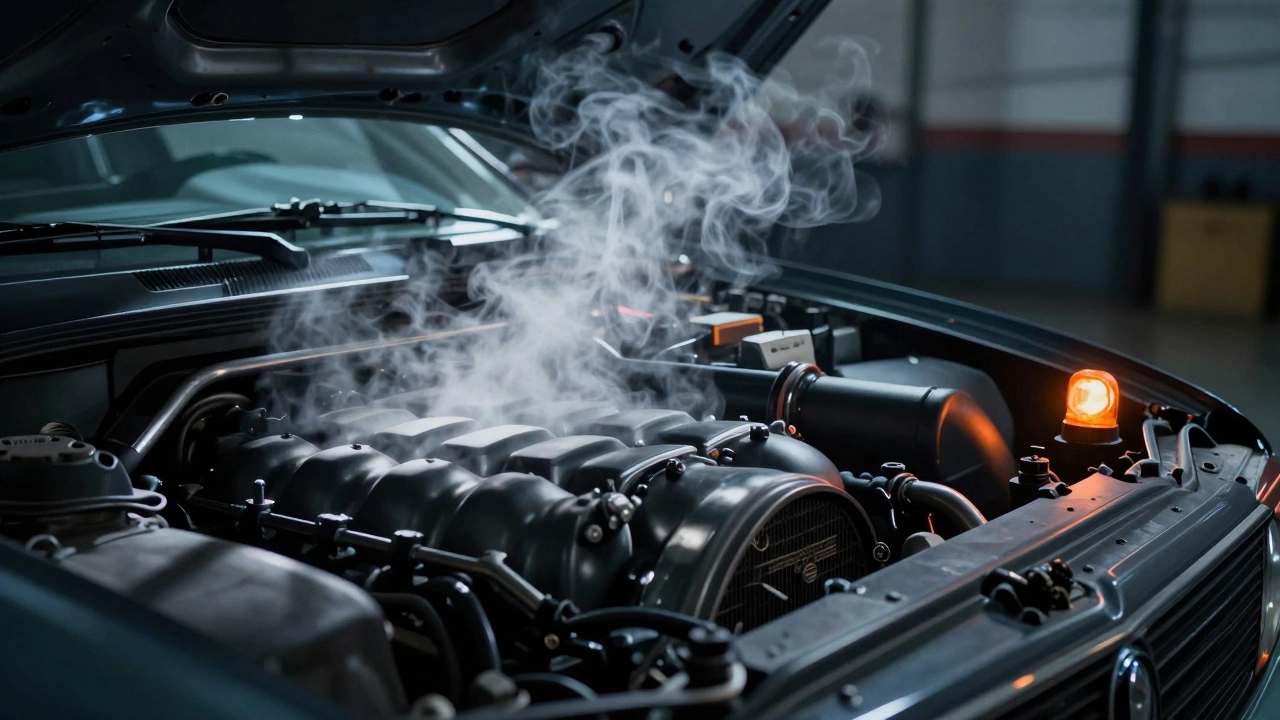
Is Replacing Radiators Worth It? Costs, Risks, and Alternatives Explained
Discover if replacing your car radiator saves money long-term. We compare repair costs, material types, and lifespan expectations to help you decide between fixing or swapping your cooling system.
March 29 2026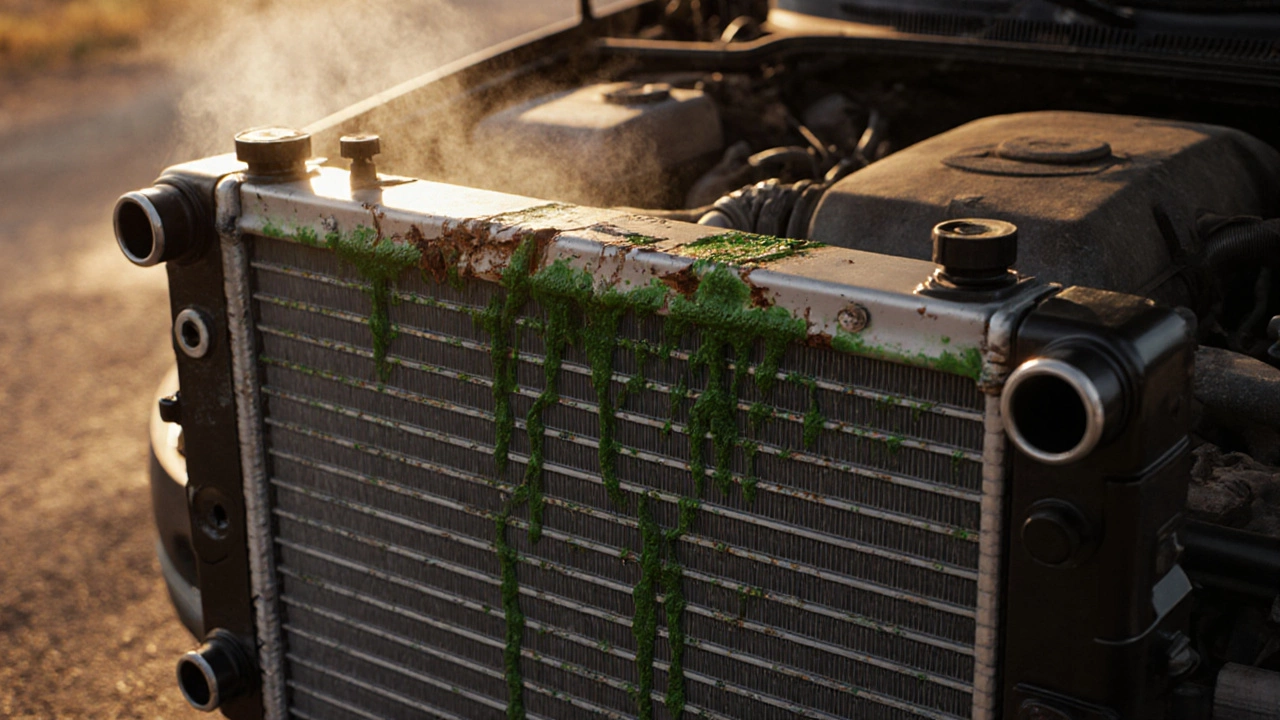
What Is the Life Expectancy of a Car Radiator?
Most car radiators last 8-12 years, but neglect can cut that in half. Learn the signs of failure, how to extend radiator life, and when to replace it before engine damage happens.
November 18 2025