Bad Spark Plugs: Signs, Risks, and What to Do Next
When your car sputters, hesitates, or refuses to start, it’s often not the battery—it’s the bad spark plugs, tiny but critical components that ignite the fuel-air mix in your engine. Also known as ignition plugs, they’re the reason your engine turns over and runs smoothly. Even if your car seems to drive fine, worn or fouled spark plugs silently drain fuel efficiency, trigger check engine lights, and can lead to bigger, costlier damage like misfires or catalytic converter failure.
Spark plugs don’t just wear out over time—they get coated in oil, carbon, or fuel residue, especially if you’re using the wrong type or skipping oil changes. A bad ignition system, the full network that delivers power to the spark plugs can cause uneven firing, which stresses the engine and throws off timing. This isn’t just about performance—it’s about safety. A misfiring engine can overheat, damage the exhaust system, or even stall while you’re driving. And if you’ve noticed your car’s fuel economy, how many miles you get per gallon of fuel dropping without any other changes, bad spark plugs are one of the top suspects.
Many drivers wait until the engine is shaking or the check engine light is flashing before they act. But by then, the damage is already spreading. The truth? Most spark plugs need replacing between 30,000 and 100,000 miles, depending on the type and your driving habits. If you’re mostly doing short trips or idling a lot, they wear out faster. And if you’ve ever smelled raw fuel after turning off the car, that’s a sign the plugs aren’t burning fuel cleanly.
You don’t need to be a mechanic to spot the warning signs. Rough idling, trouble accelerating, or a noticeable drop in power when climbing hills? Those aren’t "normal"—they’re red flags. Even a small change in how your car sounds at startup can mean something’s wrong. And while some people think "if it ain’t broke, don’t fix it," spark plugs are one of those parts that fail quietly. They don’t scream before they break—they just slowly steal your money at the pump.
What you’ll find below are real, practical guides from people who’ve been there. You’ll see how to tell if your plugs are bad without a scanner, what happens when you ignore them, and how to pick the right replacement without getting overcharged. We’ll cover what causes them to fail, how long they really last, and why replacing them before they die can save you hundreds. No fluff. No theory. Just what works for UK drivers dealing with wet roads, cold starts, and old engines.
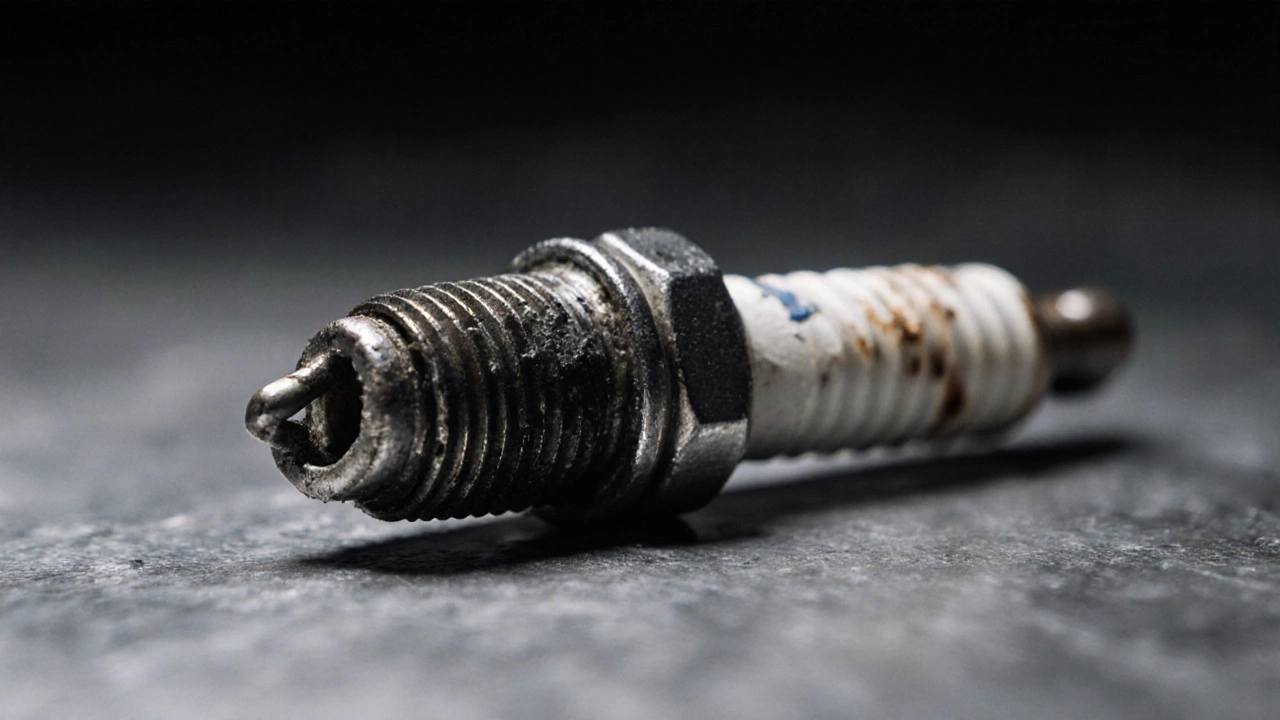
How Do I Know If My Spark Plugs Need Changing? Signs You Can't Ignore
Learn the clear signs your spark plugs need replacing-rough idle, poor fuel economy, hard starts, and more. Don't wait for breakdowns; fix them before they cost you more.
November 20 2025