Brake Pad Replacement Advisor
Enter your current brake pad condition to receive expert advice on whether to replace just the front, rear, or all four pads.
Recommendation
Front Pads
Rear Pads
Why this recommendation?
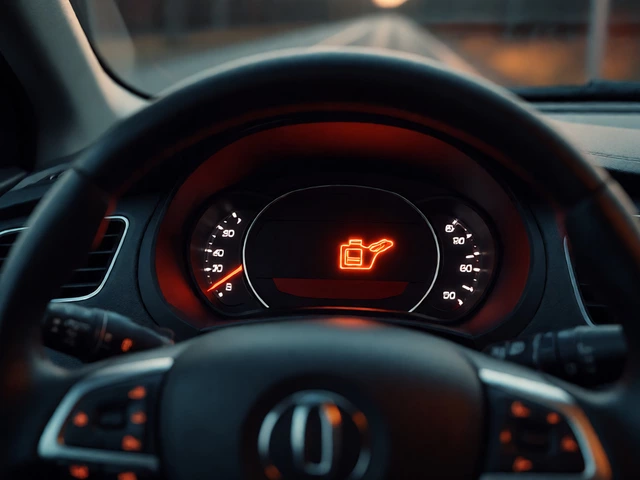
You’re driving down the M60, and suddenly you hear that familiar squeal. It’s not just annoying; it’s a signal. Your brake pads are wearing out. Now comes the million-dollar question-or rather, the hundred-pound question: do you swap out all four, or just the two on the axle that needs help?
This isn’t just about saving cash. It’s about physics, safety, and how your car handles the road when things get hairy. Let’s break down why mechanics often say "do all four" while your bank account screams "just do the front."
The Short Answer: Axle by Axle is Standard
Here is the golden rule of braking systems: replace brake pads in pairs per axle. That means if your front pads are worn, change both front pads. If your rear pads are worn, change both rear pads. Do not mix new pads with old ones on the same axle.
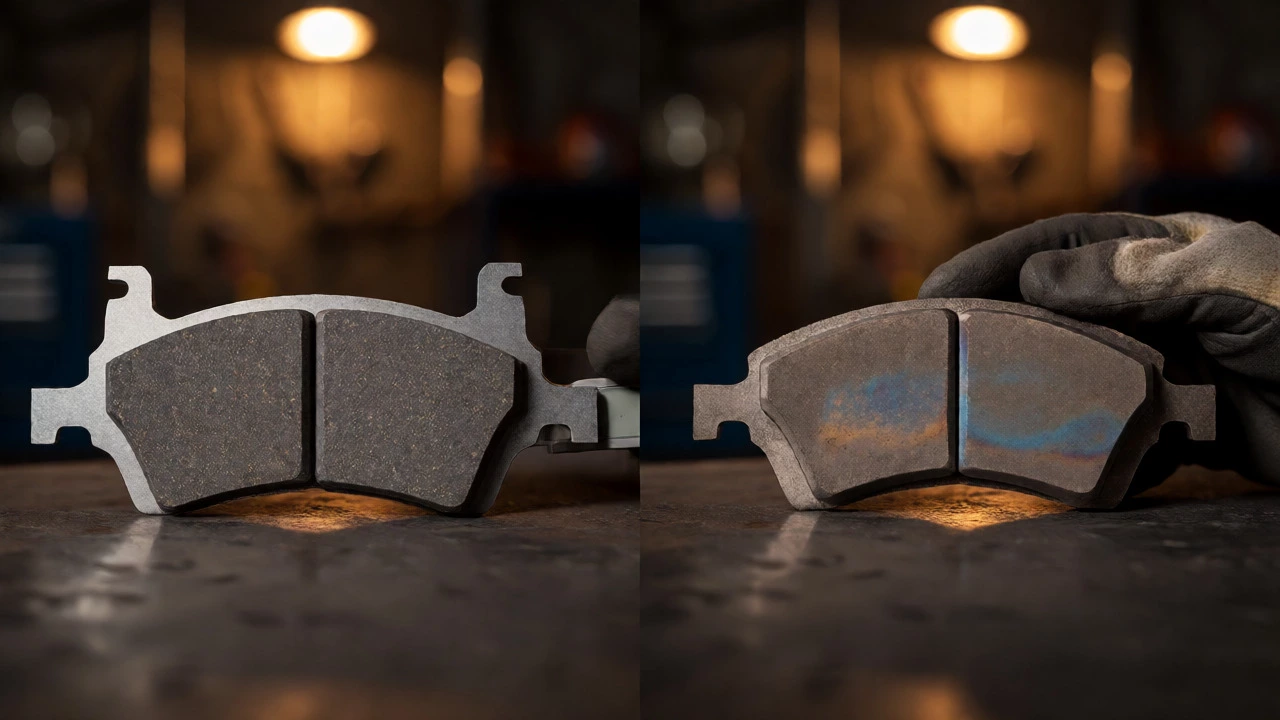
Why? Because brakes work on friction. New pads have more material, meaning they clamp harder and grab sooner than worn-down pads. If you put a fresh pad on the left wheel and keep an old one on the right, the left side will bite faster. This causes pulling. Your steering wheel jerks to the left every time you hit the brakes. Over time, this uneven wear stresses your suspension components and makes stopping unpredictable, especially in wet Manchester weather.
Front vs. Rear: Why They Wear Differently
Most modern cars are front-heavy due to the engine placement. When you brake, weight transfers forward. This puts 70-80% of the braking force on the front wheels. Consequently, front brake pads wear out significantly faster than rear pads.
In many UK hatchbacks like the Ford Fiesta or VW Golf, front pads might last 30,000 miles, while rears could go 50,000 or more. By the time your fronts need changing, your rears might still have plenty of life left. Replacing them prematurely wastes money and materials. Unless your rear pads are critically low (under 2mm), leave them alone.
| Vehicle Type | Front Pad Life (Miles) | Rear Pad Life (Miles) | Common Issue |
|---|---|---|---|
| City Hatchback | 25,000 - 35,000 | 40,000 - 60,000 | Aggressive stop-start traffic wears fronts fast. |
| SUV / Estate | 30,000 - 45,000 | 35,000 - 50,000 | Heavier weight increases wear on all corners. |
| Sports Car | 15,000 - 25,000 | 20,000 - 30,000 | Performance compounds heat and fade. |
When Should You Change All Four?
There are specific scenarios where replacing all four pads makes sense, even if the rears aren't technically "dead."
- High-Mileage Vehicles: If your car has over 80,000 miles and the rears are at 3mm, they’ll likely need changing within the next 5,000 miles. Doing them now saves you from paying for labor twice.
- Performance Driving: If you track your car or drive aggressively, consistent friction levels across all four corners provide better balance during hard cornering.
- Disc Replacement: If you are already replacing the brake discs (rotors) on the rear because they are scored or warped, it is smart to install new pads at the same time. Old pads won't bed-in properly against shiny new discs.
- Leasing Returns: If you are returning a lease car soon, having uniform, newer brakes looks better during inspection and ensures no hidden issues pop up.
The Cost-Benefit Analysis
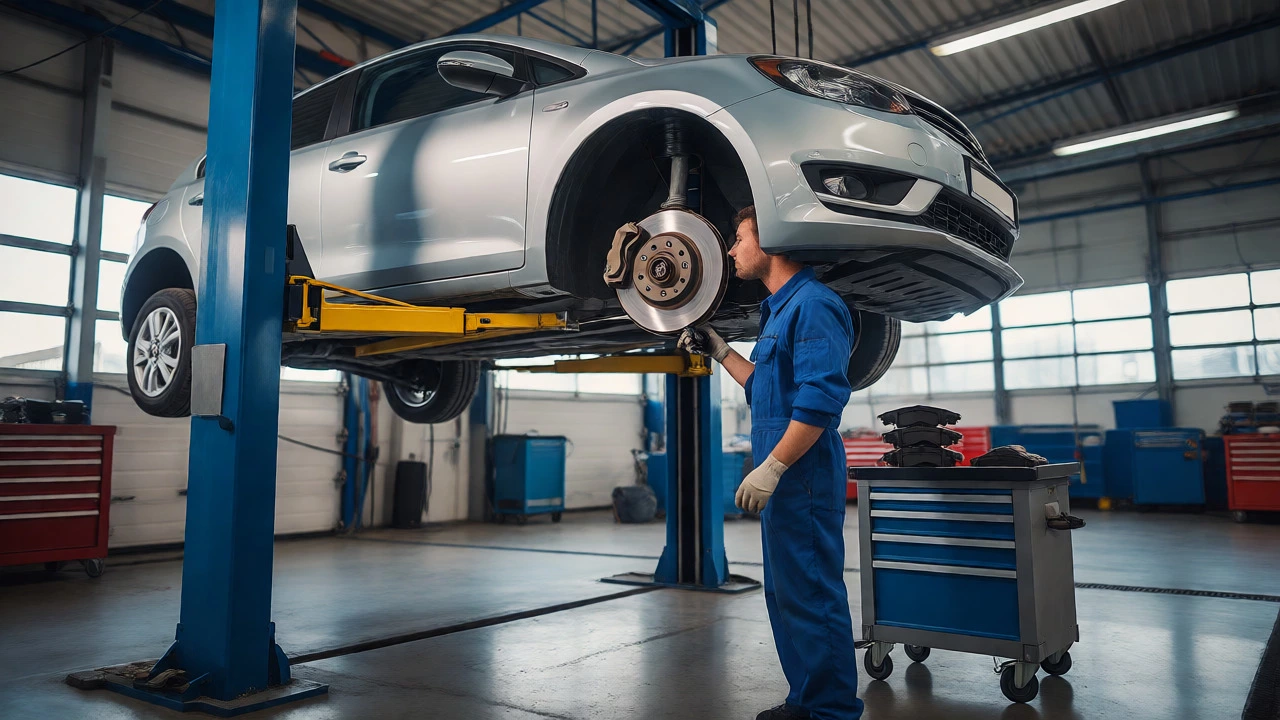
Let’s look at the numbers. In the UK, parts for a standard set of front pads cost between £40 and £80. Labor usually takes 1-1.5 hours. If you do all four at once, you pay for one visit. If you split them, you pay for two visits.
However, buying unnecessary parts costs money too. If your rear pads have 6mm of material left, throwing them away is wasteful. A good rule of thumb: if the remaining thickness is less than 3mm, plan to replace them. If it’s above 4mm, wait until the next service interval.
How to Check Your Own Brakes
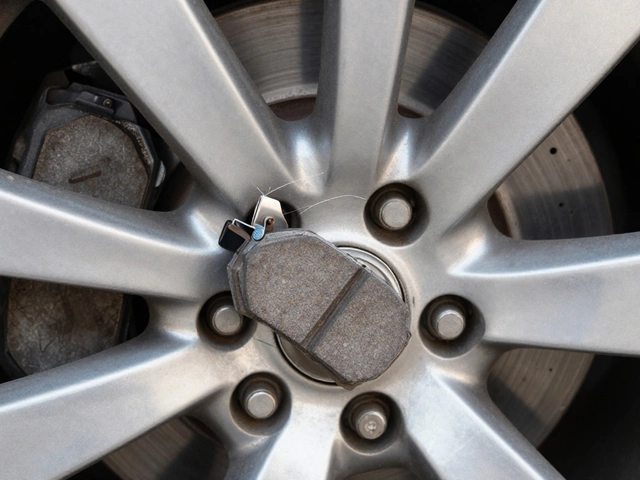
You don’t need a mechanic to peek under the wheel arch. Most alloy wheels allow enough visibility to see the caliper and pad.
- Look for the Wear Indicator: Many pads have a small metal tab welded to the backing plate. When this touches the disc, it squeals. If you hear squealing only on one side, that pad is gone.
- Measure Thickness: Use a flashlight and a ruler (or a dedicated brake tool). The friction material should be at least 3mm thick. Anything less than 2mm is dangerous.
- Check Evenness: Look at the inner and outer pad on the same caliper. If one is much thinner than the other, your caliper piston might be sticking. This requires more than just a pad swap.
Pitfalls to Avoid
Don’t fall into these common traps:
- Mixing Brands: Never use different brands of pads on the same axle. Different compounds have different friction coefficients. This leads to unpredictable braking feel.
- Ignoring Bedding-In: New pads need to mate with the disc surface. Drive gently for the first 100 miles. Avoid heavy braking unless necessary. Skipping this step can cause glazing, leading to reduced stopping power.
- Forgetting Hardware: Clips, shims, and pins hold the pads in place. These are cheap (£5-£10) but critical. Reusing old, rusty clips can cause rattles and uneven wear.
Frequently Asked Questions
Can I change just one brake pad?
Technically yes, but you shouldn't. Changing one pad creates an imbalance on that axle, causing the car to pull to one side when braking. Always replace pads in pairs (left and right together).
How long do brake pads typically last?
It varies widely based on driving style and vehicle type. Front pads usually last 30,000 to 50,000 miles. Rear pads often last longer, sometimes up to 70,000 miles. City driving wears them out faster than highway cruising.
What happens if I don't replace my brake pads?
If pads wear completely through, the metal backing plate grinds against the brake disc. This destroys the expensive disc rotor, reduces braking efficiency significantly, and can lead to complete brake failure in extreme cases.
Do electric cars wear brake pads differently?
Yes. Electric vehicles use regenerative braking to slow down, which recovers energy and reduces reliance on friction brakes. As a result, EV brake pads often last much longer-sometimes over 100,000 miles-but they can suffer from corrosion if rarely used.
Is it cheaper to buy brake pads online?
Often, yes. Online retailers offer competitive prices compared to dealerships. However, ensure you buy from reputable brands like Brembo, EBC, or Bosch. Cheap, unbranded pads may squeal, dust heavily, or wear unevenly.