Windshield Wiper Health Checker
Select the issues you are currently experiencing with your wipers to receive a health assessment and repair recommendations.
Select your symptoms above to see if your wipers need cleaning, adjustment, or replacement.
Diagnosis
You’re driving down the M60 in a typical Manchester drizzle. The rain is steady, not torrential, but enough to blur your view. You flick the stalk, expecting a clear sweep. Instead, you get that dreaded streaking, a horrible squeak, and worse, a patch of water left stubbornly on the passenger side. It’s annoying, sure, but it’s also dangerous. Most people think wiper blades are disposable items you just swap out when they fail. But here’s the truth: with a little attention, you can double their lifespan. You don’t need to be a mechanic. You just need to stop treating them like magic sticks and start treating them like precision tools.
| Cause | Symptom | Quick Fix |
|---|---|---|
| Contaminated Glass | Chattering or skipping | Deep clean windshield with alcohol |
| Bent Arm | Uneven pressure on one end | Gently bend arm back to parallel |
| Dry Usage | Rubber tearing or hardening | Always use washer fluid before wiping |
| Sun Damage | Cracking or brittleness | Use UV protectant or park in shade |
Why Your Wipers Fail So Quickly
It’s rarely just age. Sure, rubber degrades over time due to ozone exposure and UV radiation from the sun. But if you’re replacing blades every six months, something else is eating them alive. In the UK, we deal with road grime, diesel particulates, and tree sap. These contaminants create an abrasive layer on your windscreen. When you run your wipers over this grit, you aren’t just wiping water; you’re sanding the rubber edge against the glass. Think of it like rubbing sandpaper on a pencil eraser. Eventually, the edge gets jagged, loses its seal, and starts leaving streaks. This process accelerates in summer when the heat bakes these contaminants onto the glass, making them harder to remove.
The Golden Rule: Never Run Them Dry
This sounds obvious, yet it’s the number one killer of wiper blades. Running a dry blade across a dry windshield creates immense friction. That friction generates heat, which softens the rubber compound temporarily. As it cools, it can warp slightly or tear. If you see dirt or dust on your glass, wipe it off with a cloth first. If it’s raining lightly, ensure your washer fluid reservoir is full. Use the washers liberally. A squirt of fluid lubricates the path for the rubber, reducing drag significantly. In winter, this is critical. Ice acts like a file. Never force frozen wipers to move. Lift them off the glass, pour warm (not boiling) water on the contact point, or let the defroster do its job. Forcing them tears the rubber right off the frame.
Clean the Blades, Not Just the Glass
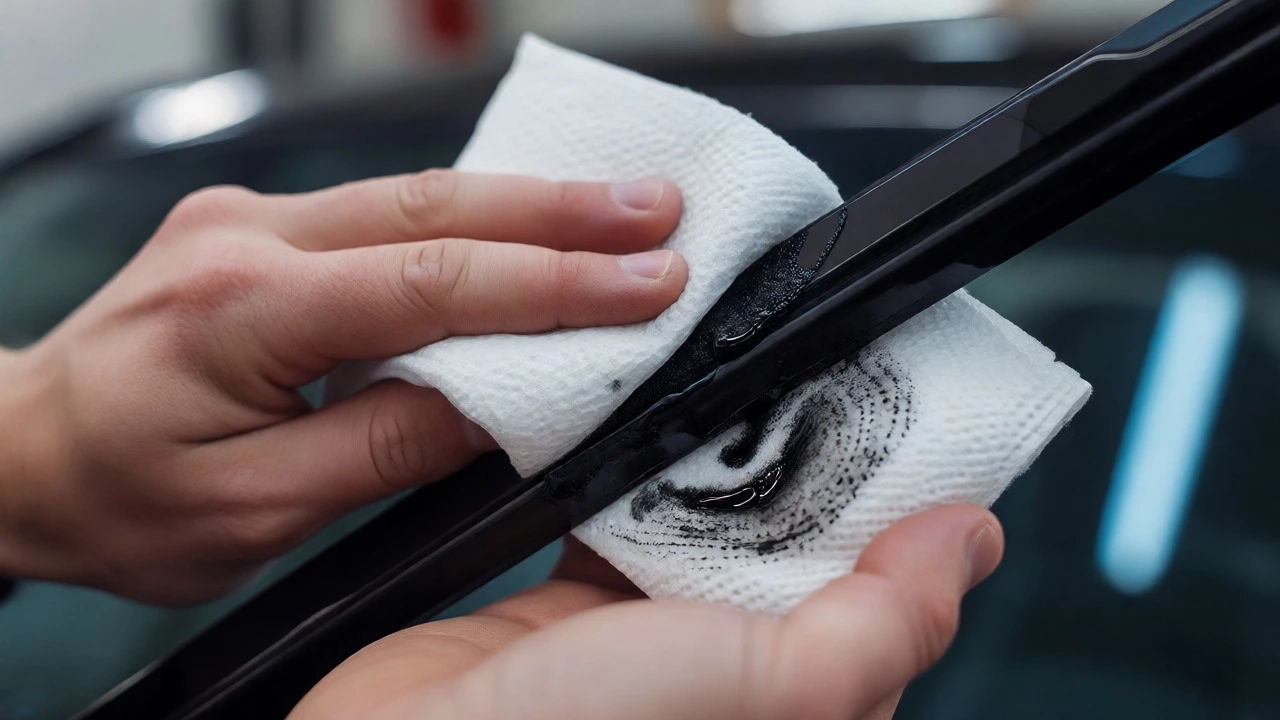
Most drivers clean their windshields regularly but ignore the blades themselves. Over time, the rubber accumulates a black gunk made of oil, wax, and road film. This residue prevents the blade from making smooth contact with the glass. Grab a paper towel and some isopropyl alcohol or dedicated automotive glass cleaner. Wipe the length of each rubber blade firmly. You’ll likely see black smears come off. Do this once a month. It restores flexibility and removes the microscopic debris that causes chattering. If the rubber feels hard or cracked after cleaning, it’s done. No amount of cleaning will fix structural degradation.
Check the Wiper Arm Alignment
Have you ever noticed your wipers chatter violently at certain speeds? Or maybe they skip sections? This often isn’t the blade’s fault; it’s the arm. The metal arm holding the blade needs to sit perpendicular to the glass. If you’ve been through a car wash where brushes hit the arms, or if someone bumped them while loading groceries, they might have bent. A slight bend changes the angle of attack. Instead of gliding, the blade digs into the glass on one edge and lifts on the other. To check, look at the blade when parked. It should lie flat. If it looks angled, grab a pair of pliers wrapped in a cloth (to avoid scratching the paint) and gently adjust the arm until it sits correctly. Be subtle; small adjustments go a long way.
Protect Against UV and Heat
If you live in a sunny climate or park outside, UV rays are your enemy. Sunlight breaks down the polymer chains in natural rubber and synthetic compounds alike. This leads to cracking and loss of elasticity. You can’t control the sun, but you can mitigate its effects. Parking in a garage helps. If that’s not an option, try to park facing away from the direct afternoon sun. Some drivers apply a silicone-based protectant specifically designed for rubber seals and wipers. It adds a sacrificial layer that absorbs some UV damage. Don’t use standard tire shine on wipers; it can make them slippery and ineffective. Look for products labeled 'trim restorer' or 'rubber conditioner'.
Know When to Replace vs. Repair
There comes a point where maintenance won’t save you. Inspect the rubber edge closely. Look for nicks, cuts, or rounded edges. A sharp, continuous edge is what wipes water. Once it rounds off, it pushes water rather than clearing it. Also, check the spring tension in the frame. Press the blade against the glass and release. It should snap back. If it stays limp, the internal spring has fatigued. Modern beam-style wipers (the ones without the external metal frame) are more aerodynamic and perform better in snow, but they lack adjustable parts. If they fail, you replace them. Traditional hybrid frames offer more repairability but collect ice and debris. For most UK drivers, high-quality synthetic rubber blades last about 12 months under normal conditions. Beam blades often last longer due to fewer moving parts exposed to corrosion.
Winter Specific Care
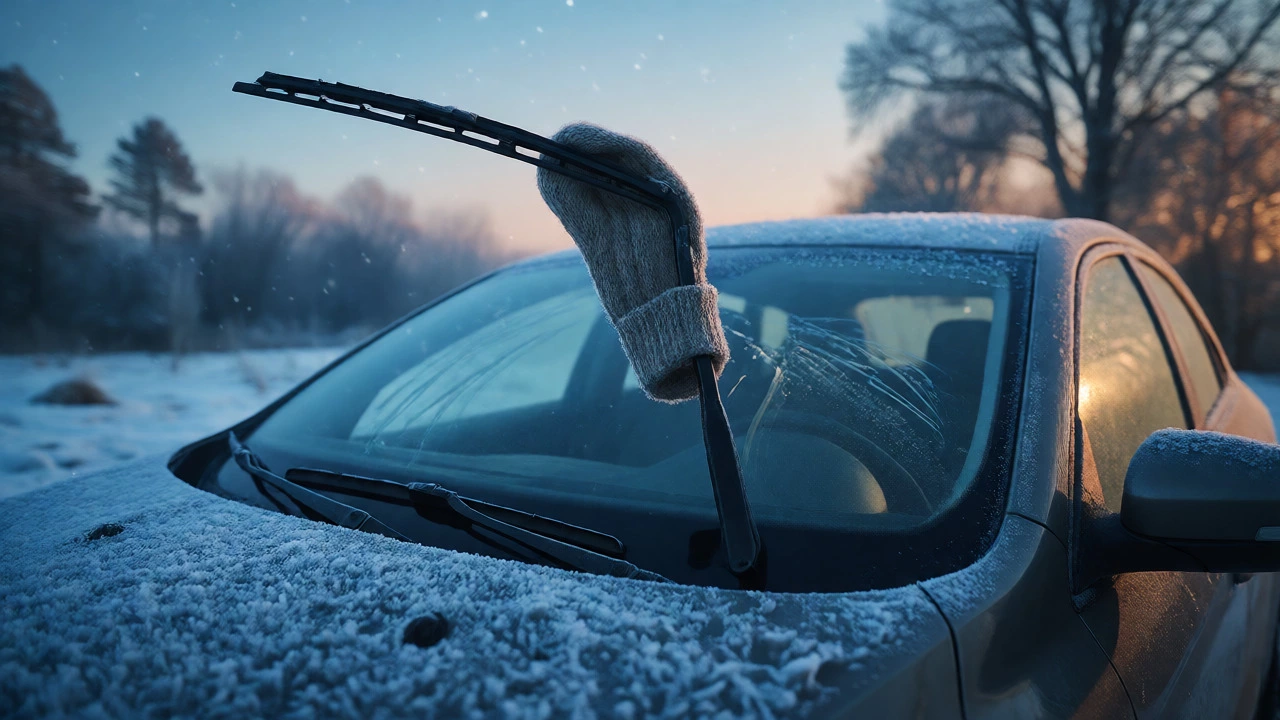
UK winters bring frost and occasional snow. Frost is particularly tricky because it bonds the rubber to the glass. If you scrape ice off the windshield with the wipers still down, you risk tearing the rubber. Always lift the wipers before scraping. If they are stuck, pour lukewarm water on the contact area to melt the bond. Avoid hot water, as thermal shock can crack cold glass. During heavy snowfall, consider lifting the wipers and placing a sock over the arm to keep it elevated. This prevents the weight of accumulated snow from bending the arm or freezing the blade to the glass overnight. When temperatures drop below freezing, switch to a washer fluid rated for lower temperatures to prevent freezing in the lines.
Choosing the Right Blade for Longevity
Not all blades are created equal. Cheap supermarket brands often use lower-grade rubber that hardens quickly. Premium brands use graphite-coated rubber or dual-compound materials. Graphite coating reduces friction, which means less wear and quieter operation. Dual-compound blades have a softer inner core for flexibility and a harder outer shell for durability. While they cost more upfront-perhaps £15-£25 per pair versus £8 for budget options-they often last twice as long. Consider the total cost of ownership. Replacing cheap blades three times a year costs more than buying quality blades once a year. Also, ensure you buy the correct size. An ill-fitting blade will hang over the edge or leave unwiped zones, leading to uneven wear.
How often should I clean my windshield wipers?
You should clean your wiper blades at least once a month, or whenever you wash your car. Use a paper towel dampened with isopropyl alcohol or glass cleaner to wipe the rubber edge. This removes built-up grime, oil, and tree sap that cause chattering and premature wear.
Can I use WD-40 on my wiper blades?
No, do not use standard WD-40 on wiper blades. It contains petroleum distillates that can degrade the rubber, causing it to swell, soften, and eventually fail faster. It also leaves an oily residue that attracts dirt. Stick to silicone-based sprays or plain isopropyl alcohol for cleaning.
Why do my new wipers chatter immediately?
New wipers chattering usually indicates a contaminated windshield rather than a faulty blade. Road film, wax, or polish residues create a sticky surface. Clean the glass thoroughly with a clay bar or strong degreaser, then reinstall the wipers. If chattering persists, check the wiper arm alignment to ensure it is perpendicular to the glass.
Do expensive wipers really last longer?
Generally, yes. Premium wipers use higher-quality rubber compounds, often coated with graphite or Teflon to reduce friction. They resist UV degradation and temperature extremes better than budget options. While they cost more initially, their extended lifespan and superior performance often result in lower long-term costs.
Should I lift my wipers in winter?
Yes, especially if there is a forecast for freezing rain or heavy snow. Lifting the wipers prevents the rubber from bonding to the glass due to ice. This avoids tearing the rubber when you try to activate them in the morning. If you forget, never force them; use warm water to melt the ice first.