Brake Health & Replacement Estimator
Estimate your remaining brake life and identify immediate actions based on your specific driving profile and current symptoms.
Estimated Remaining Life
--
Miles until likely replacement
💡 Pro Tip
Check pad thickness visually during your next tire rotation.
You’re cruising down the highway, and suddenly that familiar squeal hits your ears. It’s not just noise; it’s a message from your car. But how do you know if it’s time for new brake pads or if you can squeeze out another few thousand miles? The truth is, there isn’t a single magic number that works for every driver. Your habits, your terrain, and even the type of vehicle you drive all play huge roles in determining when those components need swapping.
Quick Summary / Key Takeaways
- No Universal Mileage: Brake life varies wildly from 25,000 to 70,000+ miles depending on driving style and environment.
- Listen and Feel: Squealing, grinding, or a pulsing pedal are clearer indicators than mileage alone.
- Inspect Regularly: Check pad thickness visually during tire rotations; anything under 3mm needs immediate attention.
- Environment Matters: City stop-and-go traffic wears brakes faster than steady highway driving.
- Rotor Health: Don’t forget rotors; they often need resurfacing or replacement alongside pads.
The Myth of Fixed Mileages
Most owner’s manuals will throw out a range, like "replace between 30,000 and 70,000 miles." Treat these numbers as rough estimates, not gospel. Why such a wide gap? Because friction material wears down based on usage intensity, not just distance traveled. If you commute 10 miles daily through heavy city traffic with constant stops, you might wear through a set of pads in two years. Conversely, someone who drives mostly on open highways might get five years out of the same parts.
Think about what actually causes wear. It’s kinetic energy being converted into heat. Every time you hit the brakes, you’re fighting momentum. Heavier vehicles require more force, generating more heat and friction. Aggressive drivers who slam on the pedals at red lights accelerate this process significantly compared to those who coast gently into stops. So, while 40,000 miles is a common benchmark, don’t panic if you’re at 25,000 and hearing noises, or if you’re at 60,000 and everything feels fine.
Signs Your Brakes Are Telling You Something
Your car talks to you through sound and sensation. Ignoring these cues is risky because brakes are safety-critical systems. Here’s what to listen for and feel.
Auditory Warnings
The most common complaint is squeaking or squealing. Many modern brake pads have a small metal tab called a wear indicator designed to scrape against the rotor when the pad material gets thin. This produces a high-pitched chirp meant to alert you before damage occurs. If you hear a deep grinding noise, however, you’ve waited too long. That sound usually means the metal backing plate of the pad is rubbing directly against the rotor the circular metal disc attached to the wheel hub. Grinding damages the rotor surface, turning a simple pad swap into a more expensive repair involving both parts.
Sensory Cues
Beyond noise, pay attention to how the pedal feels. A soft or spongy pedal might indicate air in the lines or fluid leaks, but it can also signal worn components. More specifically, if you feel vibration or pulsation in the brake pedal when stopping, your rotors likely have uneven wear or warping due to excessive heat. This isn’t just annoying; it reduces braking efficiency. Another subtle sign is the car pulling to one side when braking. This suggests one caliper is sticking or one pad is wearing faster than its counterpart, requiring professional diagnosis.
Visual Inspection: What to Look For
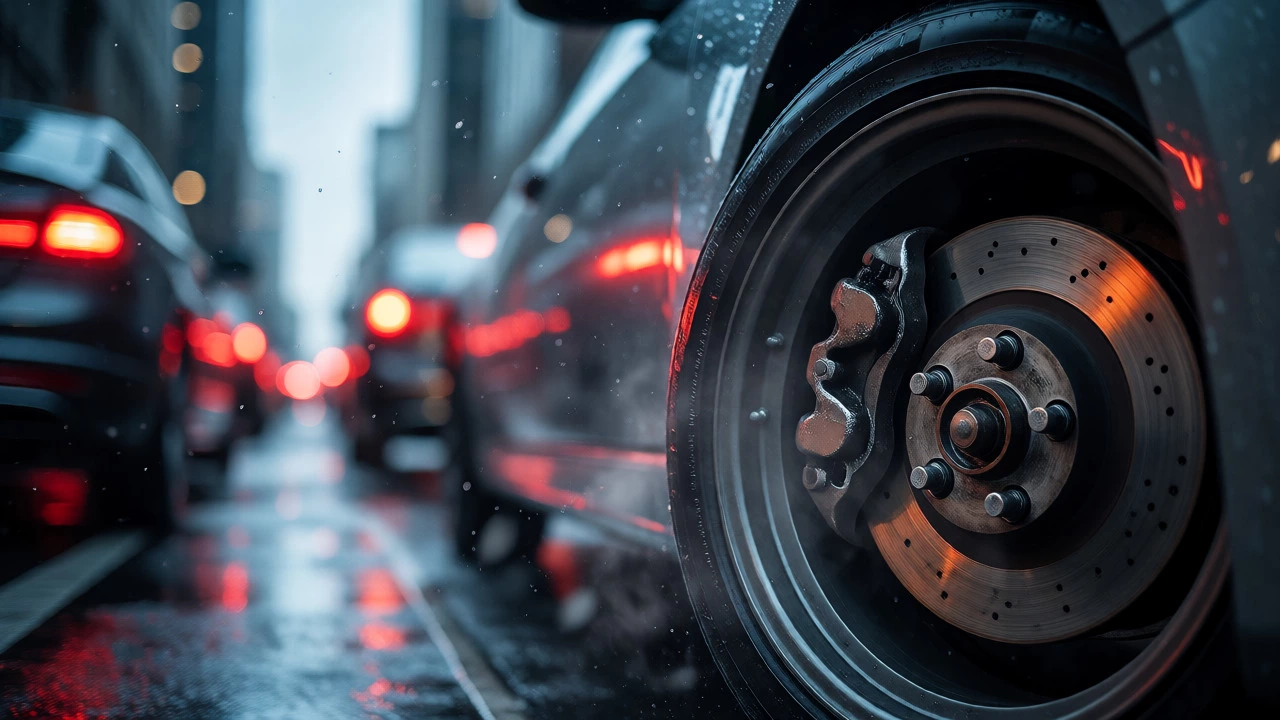
You don’t need to be a mechanic to check your brakes. Most alloy wheels allow you to see the brake assembly clearly. Grab a flashlight and take a look. You want to inspect the thickness of the friction material on the pad. New pads typically have about 10-12mm of material. When that drops below 3mm, replacement is urgent. At 1mm, you’re risking metal-on-metal contact.
Also, check the rotor surface. It should be smooth and shiny. Deep grooves, scoring, or blueish discoloration (indicating overheating) are red flags. While you’re looking, note any dust buildup. Heavy black dust is normal, but uneven distribution might hint at a stuck caliper. Doing this quick visual check during tire rotations-every 5,000 to 7,500 miles-is a smart habit that prevents surprise breakdowns.
Factors That Shorten Brake Life
Why does your neighbor’s car last twice as long? It comes down to specific variables affecting brake system the assembly of pads, rotors, calipers, and hydraulic components. understanding these helps you predict your own timeline.
| Factor | Impact Level | Why It Happens |
|---|---|---|
| City Traffic | High | Frequent stops and starts increase friction cycles per mile. |
| Hill Country | High | Gravity forces continuous braking effort on descents. |
| Towing/Heavy Loads | Moderate-High | Increased mass requires more energy to slow down. |
| Aggressive Driving | Moderate | Late, hard braking generates extreme heat and wear. |
| Material Quality | Variable | Ceramic pads last longer but cost more; semi-metallic wear faster. |
Living in a hilly area or frequently towing boats or trailers drastically cuts down component life. If you fall into these categories, aim for inspections every 10,000 miles rather than waiting for warning signs. Similarly, the type of pad matters. Ceramic compounds generally offer quieter operation and longer life but perform less well in extreme cold or racing conditions. Semi-metallic pads are cheaper and handle heat better but produce more dust and noise.
Don’t Forget the Rotors and Calipers
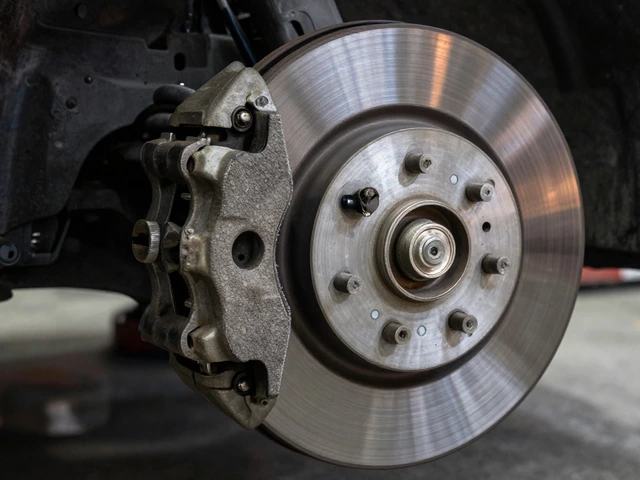
Replacing pads without checking the rest of the system is a false economy. Rotors provide the surface for friction. Over time, they develop a lip around the edge and lose thickness. If rotors are below their minimum specification (usually stamped on the hat), they must be replaced. Resurfacing is an option only if there’s enough material left to meet specs after cutting away imperfections.
Calipers clamp the pads onto the rotors. If a caliper piston seizes, it won’t release pressure properly, causing premature pad wear and overheating. Always ask your mechanic to inspect caliper slide pins and boots during service. Neglecting these small components leads to uneven wear and reduced performance.
When to Replace vs. Service
So, when exactly do you pull the trigger? Follow this decision tree:
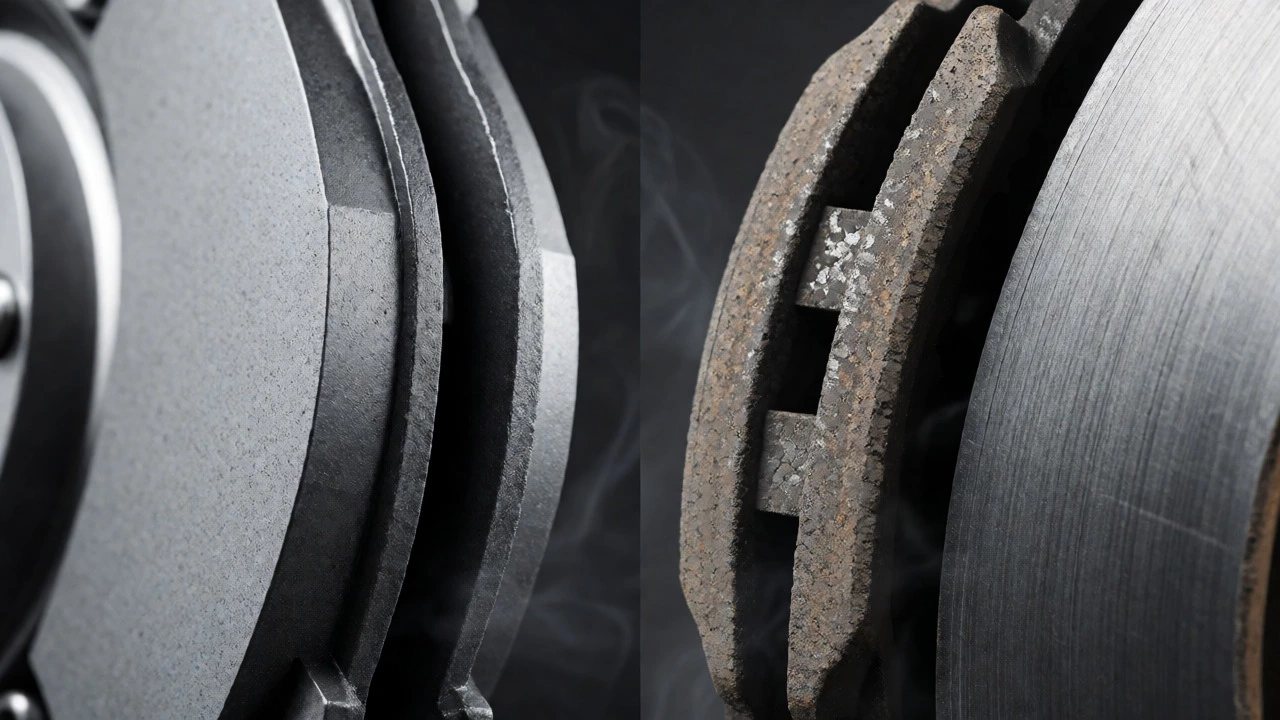
- Replace Pads: Thickness < 3mm, audible wear indicator noise, or visible cracking/glazing.
- Replace Rotors: Thickness below minimum spec, severe scoring, warping (vibration), or cracks.
- Service Calipers: Leaking fluid, seized pistons, or damaged boots.
- Flush Fluid: Dark, contaminated fluid or moisture content > 3% (check every 2-3 years).
Remember, brake fluid is hygroscopic-it absorbs water over time. Water lowers the boiling point of the fluid, which can lead to brake fade during heavy use. Flushing the fluid every two to three years ensures consistent pedal feel and protects internal hydraulic components from corrosion.
Frequently Asked Questions
Can I drive with bad brakes?
It depends on the severity. If you hear squealing, you can likely drive to a shop safely within a few days. However, if you hear grinding or feel a loss of braking power, stop driving immediately. Metal-on-metal contact can destroy rotors quickly and compromise your ability to stop in emergencies.
Do front brakes wear out faster than rear brakes?
Yes, typically. During braking, weight shifts forward, placing up to 70-80% of the braking load on the front axle. Consequently, front pads and rotors usually wear out faster than rear components. Rear brakes primarily assist in holding the car stationary and contribute less to deceleration.
Is it worth replacing rotors with new pads?
Often, yes. New pads need a fresh, flat surface to bed in properly. Old, grooved rotors can cause noise and reduce braking efficiency. While resurfacing saves money initially, many modern rotors are thinner and cheaper to replace outright than to machine, especially if they are near minimum thickness.
How long do ceramic brake pads last?
Ceramic pads typically last between 40,000 and 60,000 miles under normal driving conditions. They offer a good balance of longevity, low dust, and quiet operation. However, aggressive driving or frequent towing can shorten this lifespan significantly.
What happens if I ignore brake noises?
Ignoring early warnings leads to catastrophic failure. Squealing turns to grinding, which destroys rotors. Damaged rotors score new pads, wasting them. Eventually, lack of maintenance can lead to caliper seizure or hydraulic failure, resulting in complete loss of braking ability.
Next Steps for Brake Care
If you haven’t checked your brakes recently, grab a flashlight today. Look at the pad thickness through your wheel spokes. If they look thick and healthy, relax-but keep listening. If you notice any noise or vibration, schedule an inspection promptly. Preventive maintenance is always cheaper than emergency repairs. And remember, when in doubt, trust your instincts. If something feels off with your stopping power, get it checked out. Safety isn’t a place to cut corners.