Brake Maintenance Decision Tool
Answer the questions below to get a personalized recommendation for your brake service.
Fill out the form to see your recommendation.
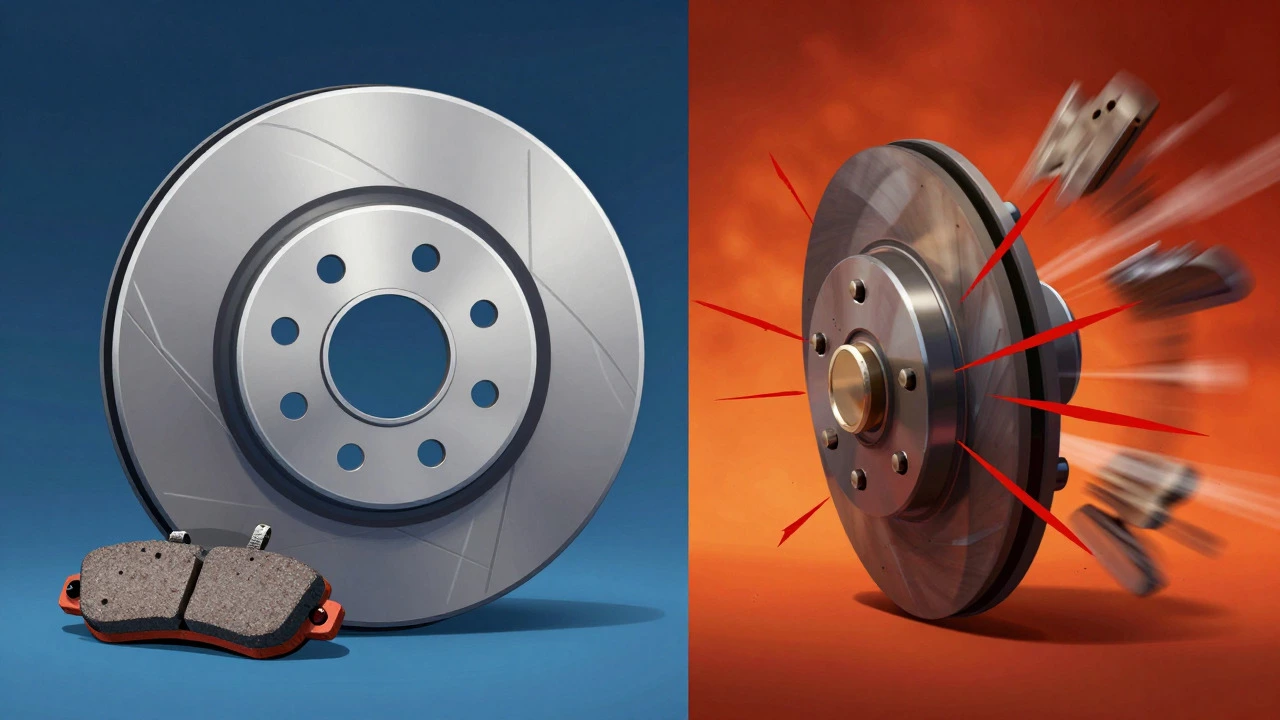
There is a specific sound that every driver dreads: a high-pitched squeal when you press the brake pedal. Most people assume it means the brake pads are worn out and need replacing. But what if the real problem lies deeper? What if the metal discs underneath are warped, scored, or too thin? Replacing only the pads on damaged rotors is like putting a new tire on a bent rim-it might work for a week, but the issue will return, often worse than before.
The difference between swapping pads and replacing rotors isn't just about cost; it's about safety and longevity. A set of quality pads costs a fraction of a full brake job, but ignoring bad rotors can lead to expensive repairs later. This guide breaks down exactly how to inspect your braking system so you know precisely what needs attention. We will look at the visual signs, the physical feel, and the measurement standards that dictate whether you can get away with a pad-only job or if you must replace the entire assembly.
Understanding the Basic Brake Components
To diagnose the problem, you first need to understand what is interacting with what. Your braking system relies on friction. When you step on the pedal, hydraulic pressure pushes the caliper pistons, which clamp the brake pads against the brake rotors. The rotors are the spinning metal discs attached to your wheels. As they spin, the pads squeeze them, creating friction that slows the car down.
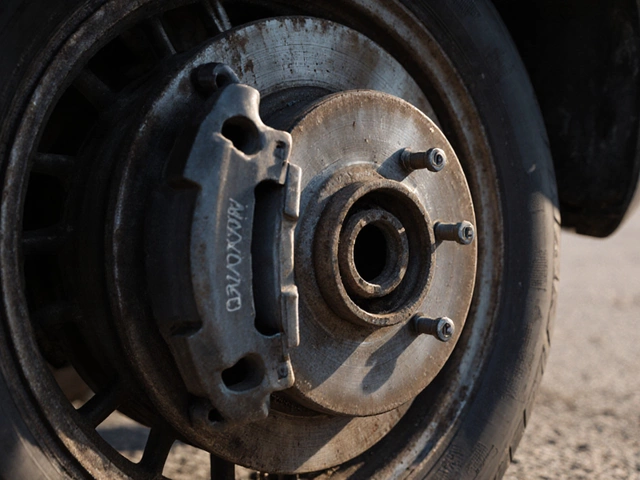
Brake pads are the consumable component that wears down over time due to friction. They are made of composite materials designed to grip the rotor without destroying it. Brake rotors are the stationary-in-rotation metal discs that provide the surface for the pads to grip. While pads are expected to wear and be replaced regularly, rotors are supposed to last much longer-often the life of the vehicle-unless they are abused, overheated, or damaged.
The relationship between these two parts is critical. Pads conform to the shape of the rotor. If the rotor is perfectly flat and smooth, the pad wears evenly. If the rotor is warped or has deep grooves, the pad will wear unevenly, vibrate, or fail to stop the car effectively. This interdependence is why mechanics rarely recommend changing one without checking the other.
Visual Inspection: What to Look For
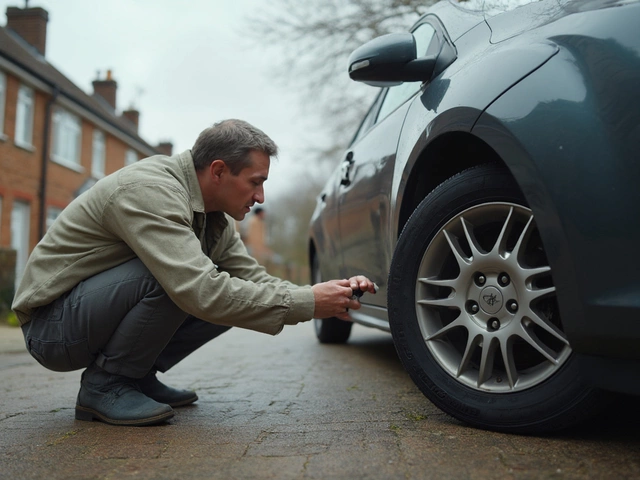
You don't need a lift to check your brakes. With the car lifted safely on jack stands (or parked on level ground with wheels removed), you can see most issues with the naked eye. Start by looking at the thickness of the pads. Most modern cars have a minimum thickness stamped on the back of the pad or listed in the service manual. Generally, if the friction material is less than 3mm thick, it’s time for a replacement. If it’s below 1mm, you’re in danger territory where the metal backing plate could start grinding against the rotor.
Next, examine the rotor surface. Hold a flashlight at an angle across the disc face. You are looking for three specific things:
- Scoring and Grooving: Deep circular scratches that run around the edge of the rotor. These act like sandpaper, eating through new pads quickly and causing noise.
- Pitting: Small holes or craters in the metal surface, usually caused by heat damage or moisture corrosion.
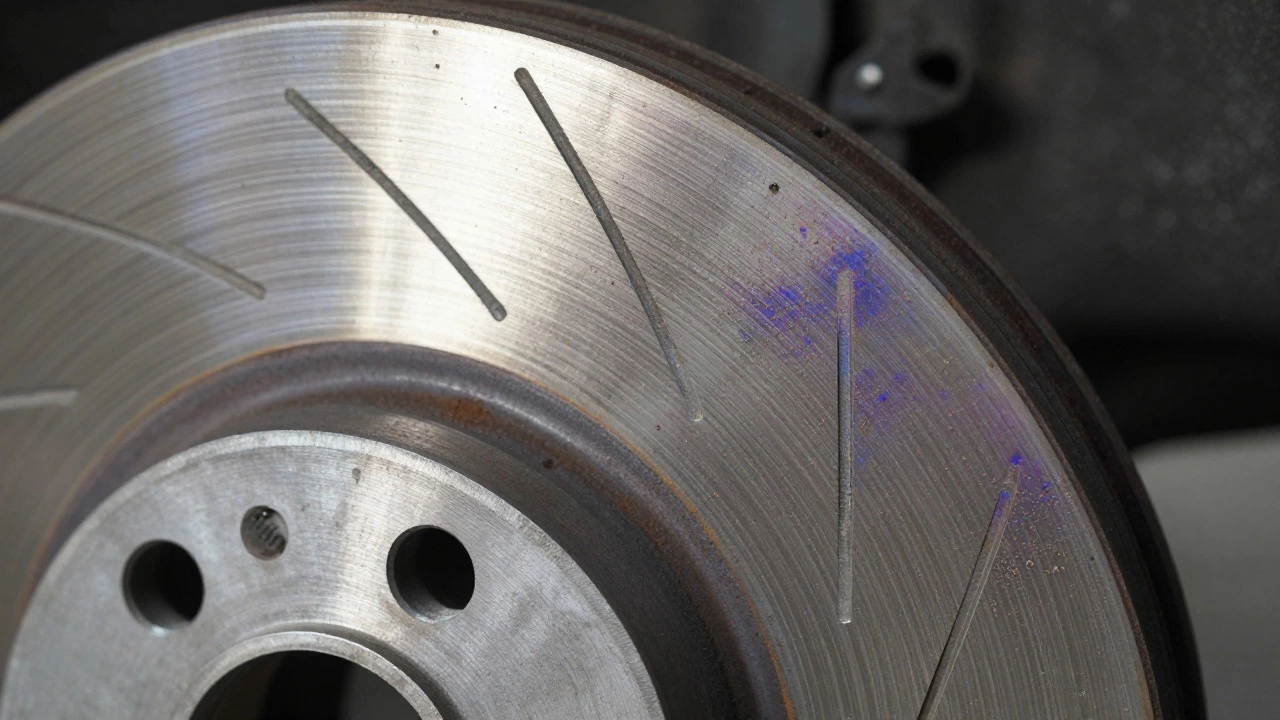
- Discoloration: Blue or purple tints indicate the rotor has been overheated significantly. While not always fatal, extreme heat can change the metal's properties, leading to warping.
If the rotor surface looks like a mirror, you’re likely fine. If it looks like a topographic map with valleys and peaks, it needs attention. Keep in mind that light surface rust is normal, especially if the car sits for days. A few minutes of driving will wipe this off. Deep rust that requires a wire brush to remove is a different story and may indicate underlying pitting.
The Feel Test: Vibration and Noise
Your senses are powerful diagnostic tools. Pay attention to how the car feels and sounds while driving, specifically during braking.
The Shudder Test
If you feel a rhythmic pulsing in the steering wheel or brake pedal when you slow down from highway speeds, you almost certainly have a warped rotor. This happens when the rotor heats up unevenly, causing it to bow slightly. As it spins, the pad hits the high spot, then the low spot, creating a vibration. This shudder usually gets worse as the car slows down because the rotational speed decreases, making the pulses more distinct. A warped rotor cannot be fixed by changing pads; the new pads will simply conform to the warped shape, perpetuating the problem.
Squealing vs. Grinding
A high-pitched squeal is often caused by a small metal wear indicator built into the pad. It’s a polite warning that the pad is getting thin. However, a harsh, metallic grinding noise means the pad is completely gone, and the metal backing plate is scraping directly against the rotor. This is an emergency. Every second you drive with grinding brakes chips away at the rotor, potentially requiring a full replacement of both front and rear sets, plus calipers if they seize up.
Soft Pedal
If the brake pedal feels spongy or goes all the way to the floor, the issue might not be the pads or rotors at all. It could be air in the lines or a leak in the master cylinder. While this doesn’t directly tell you about rotor condition, it affects how you test the brakes. Always ensure your fluid levels are correct before diagnosing mechanical wear.
Measuring Rotor Thickness: The Hard Data
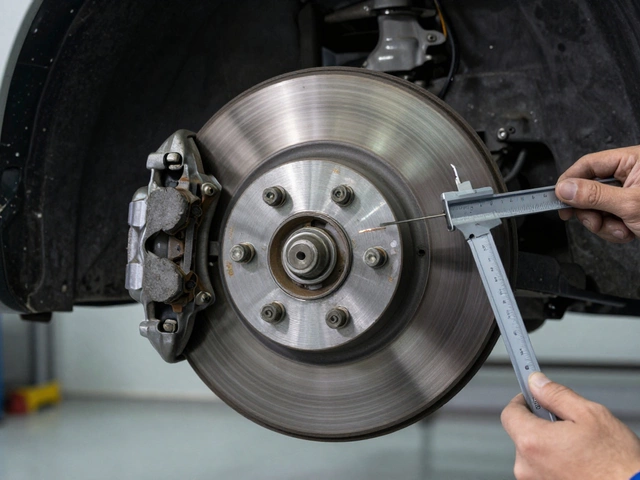
Visuals and feelings give you clues, but measurements give you the truth. Every rotor has a Minimum Service Thickness (MST) stamped on its face, usually near the outer edge. You can measure this using a dial caliper. Place the caliper jaws perpendicular to the rotor surface at several points around the circle, avoiding the center hub area and the outer lip.
Compare your reading to the MST number. If your measurement is at or above the MST, the rotor is technically still safe to use, provided the surface is smooth. If it is below the MST, it must be replaced. Why? Because as rotors get thinner, they lose mass and structural integrity. Thin rotors flex more under heat, increasing the risk of warping. They also dissipate heat less efficiently, leading to brake fade on long descents.
Here is a quick reference for common scenarios:
| Condition Observed | Pad Status | Rotor Status | Recommended Action |
|---|---|---|---|
| No noise, no vibration | Worn (<3mm) | Smooth, above MST | Replace Pads Only |
| Squealing noise | Very Worn | Smooth, above MST | Replace Pads Only |
| Steering wheel shudder | Any | Warped/Thick variation | Replace Rotors + Pads |
| Grinding noise | Gone | Scored/Damaged | Replace Rotors + Pads (Inspect Calipers) |
| Deep grooves/pitting | Uneven Wear | Below MST or Rough | Replace Rotors + Pads |
When to Replace Both Together
Even if your rotors pass the thickness test and look okay, there are situations where replacing both pads and rotors is the smarter move. First, consider age. If your car is older and the rotors have never been changed, they may be close to their end-of-life limit even if they haven't worn down yet. Metal fatigues over time. Second, consider your driving habits. Do you do a lot of towing, track driving, or mountain driving? High-heat applications accelerate rotor degradation. In these cases, upgrading to drilled or slotted rotors alongside new performance pads can improve cooling and stopping power. Finally, think about cost efficiency. Labor for a brake job is significant. Whether you are changing pads or pads and rotors, the mechanic has to bleed the lines, torque the lugs, and test the system. The additional labor to install rotors is minimal compared to the total job. If your rotors are 80% good, it makes financial sense to replace them now to avoid paying that labor fee again in six months.
Common Mistakes to Avoid
One of the biggest errors DIYers make is reusing old hardware. The clips, shims, and springs that hold the pads in place wear out too. Using old hardware can cause rattle noises and uneven pad seating. Always buy a new hardware kit with your pads. Another mistake is skipping the bedding-in process. New pads and rotors need to be properly bedded to create a consistent transfer layer of friction material on the rotor surface. Failing to do this results in noisy brakes and reduced stopping power. Follow the manufacturer’s instructions, which typically involve a series of moderate stops from 60mph down to 10mph, allowing the brakes to cool between cycles. Lastly, don't ignore the rear brakes. While front brakes handle 70-80% of the stopping force, rear brakes are crucial for stability. If you are doing a front job, check the rear pads and rotors. If they are nearing the end of their life, fix them now to save yourself a future trip to the shop.
Frequently Asked Questions
Can I drive with squeaking brakes?
Yes, but don't wait too long. Squeaking is usually a wear indicator telling you the pads are getting thin. You have a short window to schedule a repair. If the squeak turns into a grind, you are damaging the rotors, which will make the next repair much more expensive.
Do I need to replace rotors in pairs?
Yes. Always replace rotors on the same axle together (both fronts or both rears). Mismatched rotors can have different thicknesses or balance characteristics, leading to uneven braking force and potential pulling to one side. This imbalance stresses the suspension and tires.
What is the average lifespan of brake rotors?
It varies widely based on driving style and climate, but a typical passenger car rotor lasts between 40,000 and 70,000 miles. Drivers who tow frequently or live in hilly areas may need to replace them every 25,000 to 30,000 miles. City drivers with lots of stop-and-go traffic may also wear them faster due to frequent heating and cooling cycles.
Are ceramic pads better for rotors?
Ceramic pads are generally gentler on rotors than semi-metallic pads. They produce less dust and tend to run cooler, which reduces the risk of rotor warping. However, they are more expensive upfront. For daily commuting, ceramic pads are an excellent choice for extending rotor life. For heavy towing or performance driving, semi-metallic or carbon-fiber pads might offer better heat resistance despite being harder on the rotors.
Why do my brakes shake after installing new pads?
If you installed new pads on old, warped rotors, the new pads will conform to the warp, causing shaking. Another possibility is improper bedding-in. If the pads were overheated during the initial break-in period, they can glaze over, causing inconsistent friction and vibration. Ensure the rotors are flat and follow the bedding procedure strictly.