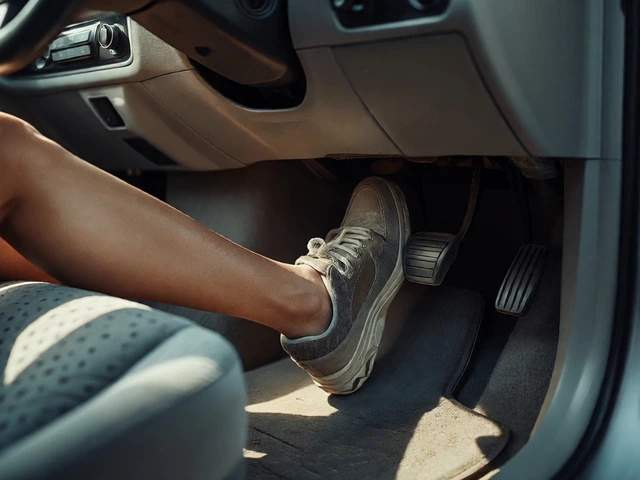
Clutch Lifespan & Cost Estimator
Enter your details below to estimate how long your current clutch might last and what a replacement could cost.
Estimated Remaining Life
Remaining Miles
Estimated Years*
*Based on average annual mileage of 12,000 miles. Adjust mentally if you drive significantly more or less.
Replacement Cost Estimate
Total Estimated Cost (Parts + Labor)
Signs You Might Be Near The End
- • RPMs rise but speed doesn't match (Slipping)
- • Burning smell after hill starts
- • Pedal feels spongy or goes to floor
- • High engagement point (pedal high up)
You’re cruising down the highway, shifting gears smoothly, when suddenly you feel a slight slip in third gear. Your heart sinks. You start doing the mental math: "I only changed that clutch two years ago. How long does a clutch kit actually last?" It’s one of the most common questions for manual transmission owners because unlike an automatic, your clutch is a wear item you actively control with your foot.
The short answer? There is no single number. But there are hard ranges based on physics and driving habits. Most modern vehicles will see between 50,000 to 100,000 miles (80,000 to 160,000 km) before needing a replacement. Some heavy-duty trucks might go 150,000 miles; some abused sports cars might fail at 30,000. The difference isn't luck-it's behavior.
The Real Numbers: What Determines Clutch Life?
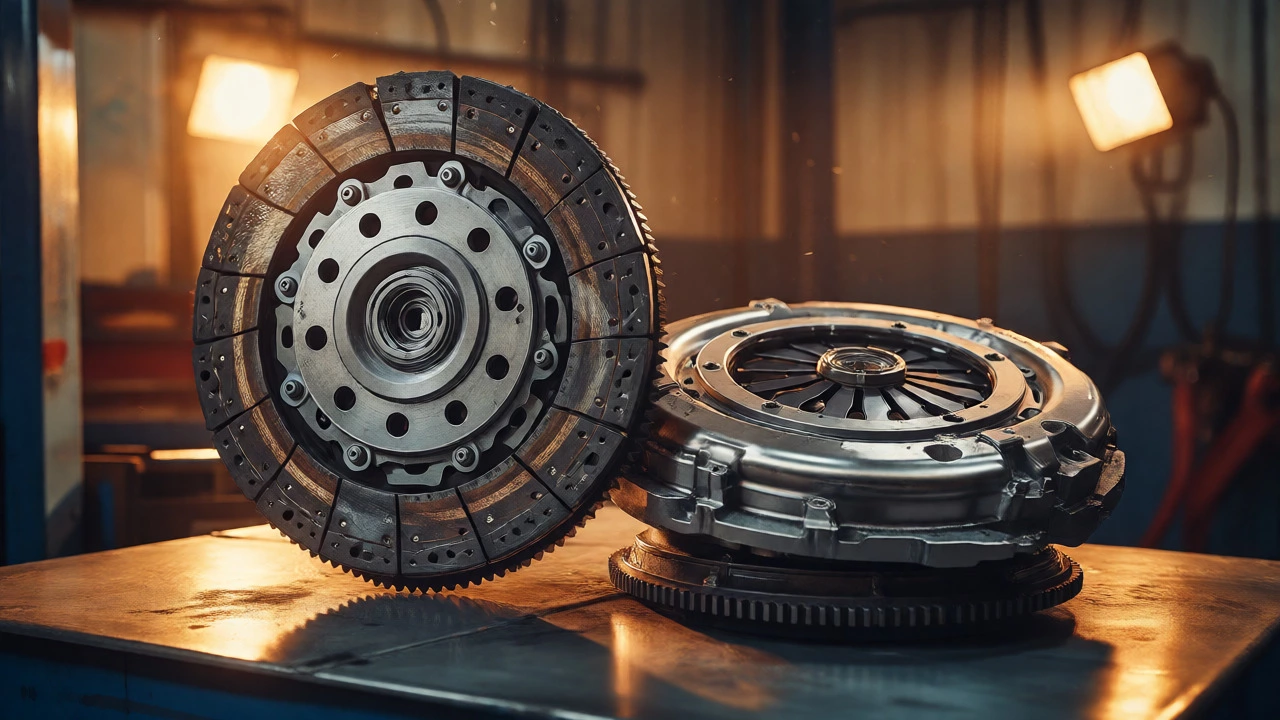
A clutch kit is a friction-based assembly that connects and disconnects the engine from the transmission. Its lifespan depends entirely on how much heat and friction it absorbs during operation. Think of it like brake pads: every time you engage the clutch, you are grinding two surfaces together until they lock. Eventually, the material wears away.
Manufacturers design these kits with specific materials-usually organic compounds, ceramic, or Kevlar blends-each with different durability profiles. Organic clutches are quiet and smooth but wear faster. Ceramic clutches handle high torque and heat better but can be harsher on the drivetrain. If you drive a daily commuter, you likely have an organic setup designed for longevity over performance.
Here’s the brutal truth: your right foot decides the lifespan more than the brand name on the box. Aggressive launches, riding the clutch at stoplights, and frequent towing shorten life significantly. A gentle driver who uses the handbrake at hills can easily double the expected mileage of their friction disc.
Signs Your Clutch Is Nearing the End
Before your car leaves you stranded, it gives warnings. Learning to spot them saves you from a tow truck bill. Here is what to listen and feel for:
- Slipping Gears: This is the big one. If you accelerate hard and the RPMs shoot up but the speed doesn’t match, your clutch plates are slipping. You’re losing power transfer.
- Hard Shifting: If grinding occurs when trying to engage first or reverse, the pressure plate may not be releasing fully.
- Spongy Pedal: A pedal that feels soft or goes all the way to the floor without resistance often points to hydraulic issues (master/slave cylinder) rather than the clutch itself, but it mimics clutch failure symptoms.
- Burning Smell: A distinct odor similar to burnt toast indicates overheated friction material. This usually happens after aggressive hill starts or rapid launches.
- High Engagement Point: If you have to lift your foot almost all the way off the floor to get the car moving, the friction disc is worn thin.
Don’t ignore the burning smell. Once the friction material is gone, you’re grinding metal on metal, which can destroy the flywheel and require a much more expensive repair.
Driving Habits That Kill Clutches Early
If you want your next clutch kit to last 100,000 miles, you need to change how you drive. Mechanics see the same three mistakes over and over again.
First, riding the clutch. Many new drivers keep their foot resting on the pedal while driving. Even light pressure keeps the throw-out bearing engaged, causing premature wear. Keep your left foot on the floor unless you are actively shifting.
Second, using the clutch to hold the car on a hill. Stop at a red light on an incline? Use the handbrake or auto-hold feature. Holding the car stationary with half-engaged clutch generates massive heat and wears the disc rapidly.
Third, aggressive launching. Dropping the clutch and flooring it looks cool, but it creates extreme thermal stress. Unless you have a performance twin-disc clutch, treat your stock setup with respect. Smooth engagement extends life dramatically.
Clutch Kit Lifespan by Vehicle Type
Not all cars are created equal. The weight of the vehicle, the torque output of the engine, and the intended use case play huge roles. Here’s a realistic breakdown of what you can expect from a standard factory-spec clutch kit.
| Vehicle Type | Typical Lifespan (Miles) | Typical Lifespan (Years) | Primary Wear Factor |
|---|---|---|---|
| Compact Economy Car | 60,000 - 90,000 | 5 - 7 | Stop-and-go traffic |
| Mid-Size Sedan | 70,000 - 100,000 | 6 - 8 | General commuting |
| Sports Car / Performance | 30,000 - 60,000 | 3 - 5 | Aggressive launches/RPM |
| Pickup Truck (Light Duty) | 80,000 - 120,000 | 7 - 10 | Towing loads |
| Heavy-Duty Truck | 100,000 - 150,000+ | 8 - 12 | Commercial usage frequency |
Notice the pattern? Performance cars die young because they work harder. Trucks last longer because they are built heavier, but towing pulls that number down fast. If you tow regularly, subtract 20% from the upper range estimates.
Replacement Costs and When to Act
So, your mechanic says the clutch is slipping. What now? Replacing a clutch kit is labor-intensive. The transmission must be removed to access the clutch assembly. Because of this, it’s rarely a cheap job.
In the US market as of 2026, parts for a quality aftermarket kit (like LUK, Sachs, or Exedy) typically run $150-$400 depending on the model. Labor is where the money goes, usually ranging from $600 to $1,200. Total out-of-pocket costs often sit between $800 and $1,600.
Should you replace it immediately? If it slips under load, yes. Driving on a slipping clutch damages the flywheel surface. If the flywheel gets scored, you’ll need to machine it or replace it too, adding another $200-$500 to the bill. Also, since the transmission is already out, mechanics strongly recommend replacing the throw-out bearing and checking the rear main seal. Doing it all at once saves future labor costs.
Extending Your Next Clutch’s Life
You just paid for a new clutch. How do you make sure it lasts another decade? It comes down to discipline and maintenance.
- Check Hydraulic Fluid: Low or contaminated brake fluid (which often shares the reservoir with the clutch master cylinder) causes poor engagement. Top it up and flush it every 2 years.
- Adjust Pedal Free Play: Over time, cables stretch or hydraulics shift. Ensure there is a small amount of free play before the clutch engages. Too little free play keeps the bearing spinning constantly.
- Shift Sooner: Don’t redline every gear. Upshifting earlier reduces the time spent in lower gears where torque multiplication stresses the clutch.
- Avoid Engine Braking Abuse: While useful, constant aggressive downshifting without rev-matching puts extra shear stress on the clutch discs.
Also, consider the environment. If you live in a hilly area or do a lot of city driving, expect the lower end of the lifespan spectrum. If you mostly drive highways, you might push toward the higher end. Adjust your budget accordingly.
Can I drive with a slipping clutch?
You can drive short distances, but it is risky. Slipping generates excessive heat, which can warp the pressure plate and damage the flywheel. Continued driving increases repair costs significantly and could leave you stranded if the clutch fails completely.
Does towing reduce clutch life?
Yes, towing significantly reduces clutch lifespan. The added weight requires more torque to move, forcing the clutch to work harder and generate more heat during engagement, especially when starting on inclines.
Is it worth repairing an old clutch or buying a new kit?
Clutch kits are generally not repairable; individual components like the disc and pressure plate are replaced as a set. Attempting to clean or adjust worn friction material is temporary at best. Replacement is the standard solution.
How often should I replace my clutch fluid?
Most manufacturers recommend flushing the clutch hydraulic system every 2 to 3 years or 30,000 miles. Moisture absorption in DOT fluid can cause internal corrosion in the master and slave cylinders, leading to leaks or failure.
Why does my new clutch feel stiffer than the old one?
New clutch discs have full thickness and fresh springs in the damper hub, resulting in higher clamp force. As the old clutch wore down, the spring tension decreased, making the pedal feel lighter. Stiffness is normal for a new kit.