Windscreen vs. Windshield Translator
Select your region or destination to see the correct terminology and potential pitfalls when buying parts.
The Correct Term
Windscreen
Used in MOT tests, insurance claims, and local garages.
Common Phrases
- "My windscreen wipers are chattering."
- "I need new wiper blades."
- "The screen wash tank is empty."
⚠️ The Hidden Trap: Connectors
Current Region Standard: U-Hook (Universal)
If buying from abroad, check the fitment guide. US cars often use Side-Pin or Bayonet mounts which may not click into a standard European arm without an adapter.
Cross-Border Shopping Tip
You are viewing terms for one region but might be shopping from another. Remember: Same glass, same rubber, different name. Always match the connector type, not just the word on the box.
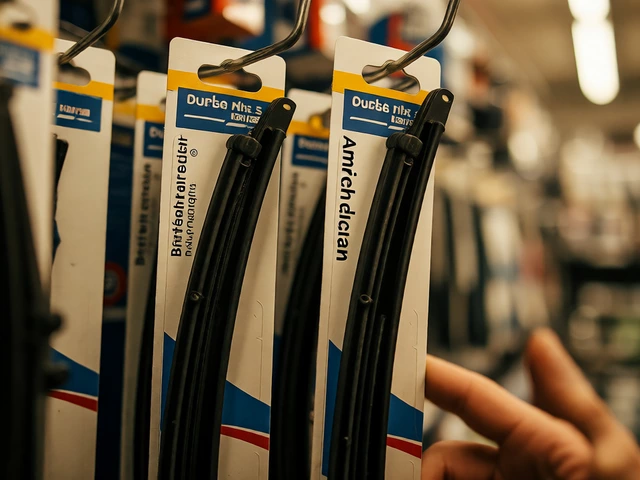
You’re standing in a motorway service station shop, staring at two identical-looking rubber blades hanging on a hook. One label says "Windscreen Wiper." The other, maybe from an American import or a global brand like Bosch, says "Windshield Wiper." You pause. Did you just stumble into a linguistic trap? Are these actually different products? If you buy the wrong one, will it fall off your Volkswagen Golf and ping off the bonnet at 70 mph?
The short answer is no. They are the same thing. But the long answer? That’s where things get interesting. It’s not just about spelling; it’s about history, geography, and how we talk about cars across the Atlantic. As someone who has spent years fixing up old Japs and new German metal here in Manchester, I’ve seen this confusion trip up plenty of folks ordering parts online. Let’s clear the fog.
The Core Difference: Geography, Not Mechanics
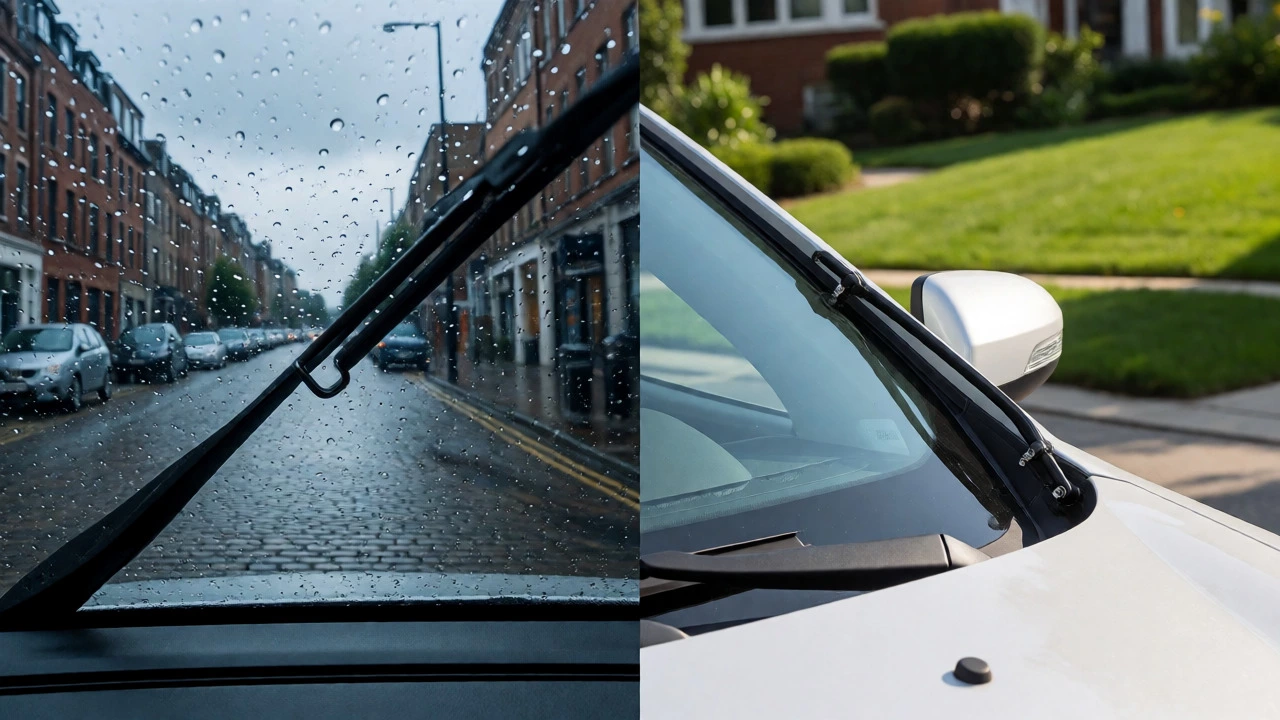
Let’s cut straight to the chase. There is zero mechanical difference between a windscreen wiper and a windshield wiper. Both refer to the device that clears rain, snow, and grime from the front glass of a vehicle. The distinction is purely linguistic and regional.
In the United Kingdom, Ireland, Australia, New Zealand, and most Commonwealth countries, we say windscreen. We use the word "screen" because early automotive glass was often treated as a protective screen against the elements. It feels more like a barrier you look through. In the United States and Canada, the term windshield dominates. Why? Because historically, American carmakers marketed the glass as a shield against the wind. It sounds more defensive, more robust. Same job, different metaphor.
If you order a "windshield wiper" from a US-based site like RockAuto while living in Leeds, it will fit perfectly. If you order a "windscreen wiper" from a UK site like Halfords for a friend in Chicago, they’ll know exactly what you mean. The part number, the mounting mechanism, and the rubber compound don’t care about your accent.
Why Does This Matter When Buying Parts?
You might think, "Okay, Bennett, I get it. It’s just words. Why should I care?" Here’s why: search engines and inventory systems can be stubbornly literal.
When you type "windshield wiper" into a UK retailer’s search bar, you might get fewer results than if you typed "windscreen wiper," simply because their database tags everything with local terminology. Conversely, if you’re buying from a global marketplace like Amazon, mixing terms can sometimes lead you to listings that aren’t optimized for your region’s specific connector types (more on that later). But mostly, it matters because using the wrong term makes you sound out of place. In a garage in Sheffield, asking for a "windshield" might get you a confused look. Asking for a "windscreen" gets you the right box immediately.
| Term | Primary Region | Linguistic Origin | Common Usage Context |
|---|---|---|---|
| Windscreen | UK, Ireland, Australia, NZ | Protective screen concept | MOT tests, insurance claims, local garages |
| Windshield | USA, Canada | Shield against wind concept | NHTSA reports, US auto shows, North American forums |
The Hidden Trap: Connector Types Vary by Market
Here is where the language barrier actually becomes a physical problem. While the glass and the wiper arm logic are universal, the wiper blade connectors have evolved differently in Europe versus North America.
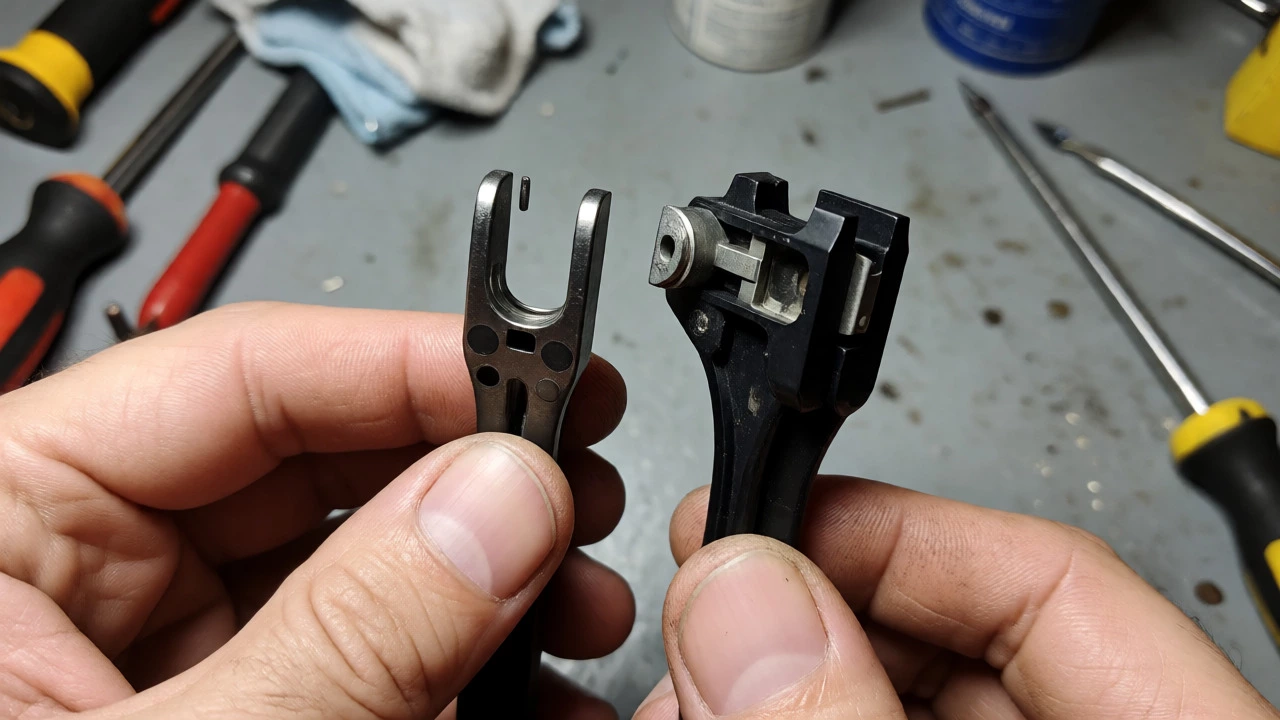
For decades, European cars (like my trusty Ford Focus) used a standard U-hook mount. It’s simple, cheap, and easy to swap. American manufacturers, particularly GM and Ford US, moved toward proprietary side-pin or bayonet-style connectors earlier on. If you buy a premium set of "windshield wipers" designed specifically for the US market and try to jam them onto a European-spec car, they might not click in. Or worse, they’ll click but rattle at speed.
This is why you need to check the compatibility list on the box, regardless of whether it says "screen" or "shield." Always match the connector type to your car’s arm, not just the name of the product. A quick glance at your owner’s manual or a photo of your current wiper arm saved me three return shipping fees last winter when I ordered a high-end silicone set intended for the US market.
What About "Screen Wash" vs. "Windshield Washer"?
The terminology split extends beyond the blades. In the UK, we pull the stalk for "screen wash." In the US, you activate the "windshield washer fluid." Again, same function: spraying cleaning fluid onto the glass so the wipers can do their job without scratching the surface.
This linguistic divergence even affects insurance policies. If you crack your glass in London, you file a claim for a "windscreen repair." Do the same in Boston, and it’s a "windshield replacement." The cost structures differ too. In the UK, many comprehensive policies cover windscreen repairs for free or a small excess, recognizing that stone chips are inevitable on British roads. In the US, deductible rules vary wildly by state and insurer, but the terminology remains consistent within the region.
How to Speak Like a Local Mechanic
If you want to avoid looking like a tourist when you walk into a workshop, stick to the local lingo. Here’s a cheat sheet for common phrases:
- UK/Aus/NZ: "My windscreen wipers are chattering." / "I need new wiper blades." / "The screen wash tank is empty."
- US/Canada: "My windshield wipers are skipping." / "I need new wiper refills." / "The washer fluid reservoir is low."
Notice the subtle differences? "Chattering" implies a noise issue, common in older frames. "Skipping" implies the rubber isn’t making contact, often due to wax buildup or worn rubber. Using the right verb alongside the right noun shows you know what you’re talking about. It builds instant rapport with the mechanic. And let’s be honest, mechanics are more likely to give you a fair price if they think you know your way around a bonnet.
Does Brand Choice Depend on the Name?
No. Major brands like Bosch, Denso, and Trico sell the exact same engineering under both names depending on where you buy them. Bosch sells "Aerotwin" blades globally. In Germany, the packaging might reference "Scheibenwischer" (German for wiper), which translates loosely to window-wiper. In the US, it’s "Windshield Wiper." In the UK, "Windscreen Wiper." The rubber quality, the aerodynamic spoiler design, and the longevity ratings remain identical.
Don’t pay extra for a product just because it uses the term you prefer. Look at the specs: beam length, frame type (traditional vs. flat/beam), and material (natural rubber vs. synthetic/silicone). Those factors determine performance, not the marketing label.
Final Thoughts: Pick Your Side, But Know the Other
So, is it windscreen or windshield? It depends on where you sleep tonight. If you’re in Manchester, say windscreen. If you’re in Miami, say windshield. Neither is "wrong." They are dialects of the same automotive language.
The real takeaway? Don’t let the name confuse you when shopping. Check the fitment guide. Match the connector. Ignore the label’s geography if the specs match your car. And next time someone corrects you, just smile. You’re not wrong; you’re just speaking a different version of English. Now, go clean those blades before the autumn rain sets in.
Are windscreen wipers and windshield wipers physically different?
No, they are physically identical. The only difference is the terminology used in different regions. UK/Commonwealth countries use "windscreen," while North America uses "windshield." The rubber, frame, and function are the same.
Can I buy US wipers for my UK car?
Yes, but you must check the connector type. US wipers may use different mounting mechanisms (like side-pins) compared to the standard U-hook found on many UK cars. Always verify compatibility with your specific vehicle model.
Which term is more professional?
Neither is inherently more professional. Use the term native to your country. In the UK, "windscreen" is standard in technical manuals and MOT tests. In the US, "windshield" is the industry standard. Using the local term shows better communication skills.
Do insurance companies use different terms?
Yes. UK insurers typically refer to "windscreen repair/replacement," while US insurers use "windshield." However, the coverage principles are similar, though deductibles and free repair thresholds vary by policy and region.
Is "windscreen" outdated?
Not at all. It is the current, official legal and technical term in the UK, Australia, and other Commonwealth nations. It appears in road traffic acts and vehicle registration documents.