Exhaust Sound & Performance Estimator
Configuration
Results Analysis
Sound Character
AggressiveEst. HP Impact
+2 HPThere is nothing quite like the feeling of sitting behind the wheel and hearing your engine roar with authority. That deep, guttural growl-what enthusiasts call a throaty exhaust sound-is more than just noise. It’s feedback. It tells you the engine is working hard, it builds adrenaline, and honestly, it makes driving fun again. But achieving that specific tone without turning your car into a tin can or failing its next inspection requires more than just buying the loudest pipe on the shelf.
Many people mistake volume for quality. They think louder means better. In reality, a throaty note is about resonance, frequency, and flow. It’s the difference between a heavy bass line in a song and a screeching violin. If you want that aggressive, muscular sound from your vehicle, you need to understand how exhaust gases move and how metal shapes those waves. This guide will walk you through exactly how to achieve that perfect balance of aggression and refinement, whether you are modifying a daily driver or building a weekend track toy.
Understanding the Science Behind the Sound
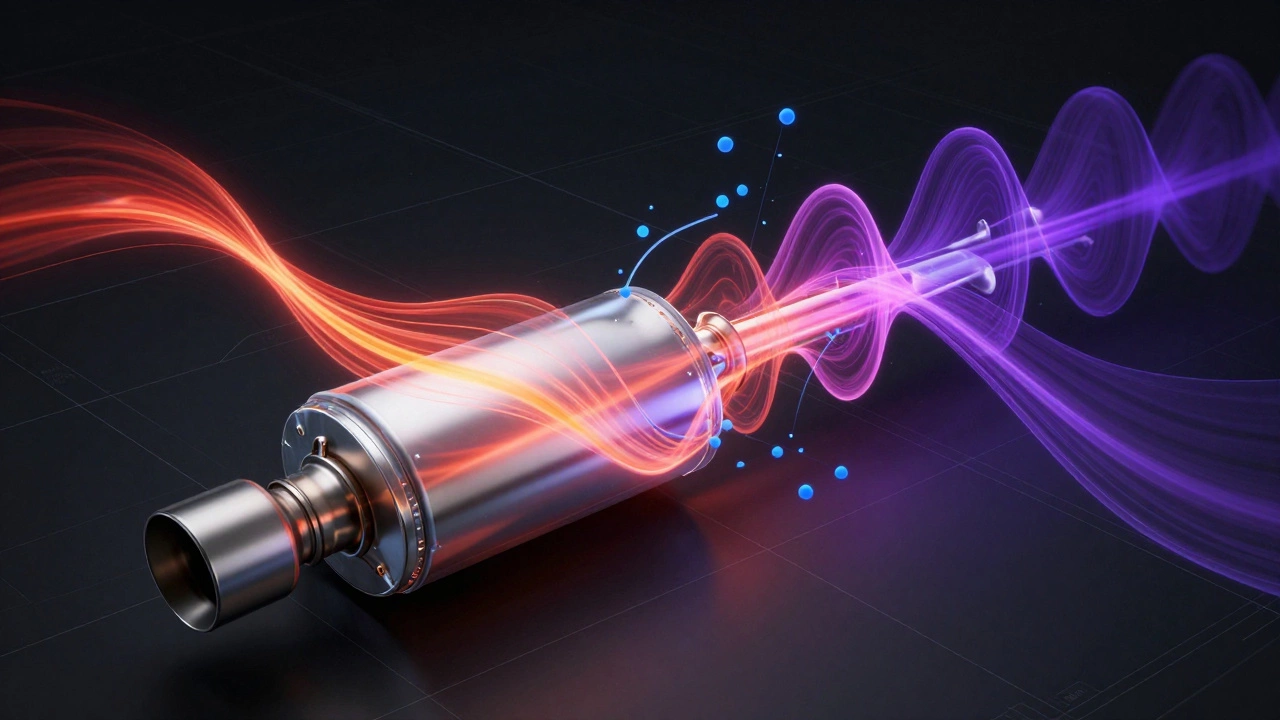
Before you start cutting metal, you need to understand what creates that throaty character. An exhaust system does two main jobs: it removes spent gases from the engine efficiently, and it manages the pressure waves created by the pistons firing. When these gas pulses hit bends, chambers, or restrictions in the pipes, they reflect back. These reflections interact with new pulses coming from the engine.
If the timing is right, these waves cancel out unwanted high-pitched frequencies (drone) and amplify low-frequency vibrations (the rumble). This is why straight pipes often sound harsh and raspy rather than smooth and deep. A properly tuned exhaust uses geometry to sculpt the sound. For example, a larger diameter pipe allows more air to escape, which lowers the pitch. However, if the pipe is too large for your engine’s displacement, you lose backpressure entirely, resulting in a flat, airy sound instead of a punchy one. The goal is to find the sweet spot where flow is maximized, but acoustic tuning remains intact.
The Role of the Catalytic Converter
One of the biggest debates in exhaust modification revolves around the catalytic converter. Often called the "cat," this component reduces harmful emissions by converting toxic gases into less harmful substances. Structurally, however, it acts as a significant restriction in the exhaust path. Inside, there is a honeycomb structure that gas must pass through. This restriction creates backpressure, which muffles the sound significantly.
Catalytic Converters are emission control devices that reduce pollutants but also dampen exhaust notes. Removing them completely (a "de-cat") will make your car louder and slightly faster, but it is illegal in most regions, including the UK and US, and will fail any MOT or emissions test. Instead, consider a high-flow catalytic converter. These units have fewer cells per square inch (CPSI), allowing gases to flow more freely while still meeting legal standards. This swap alone can add a noticeable depth to your exhaust note without sacrificing legality or environmental responsibility.
Muffler Selection: Chambered vs. Straight-Through
The muffler is the primary tool for shaping your exhaust’s personality. There are two main types you’ll encounter: chambered (or reverse-flow) and straight-through (or turbo-style).
- Chambered Mufflers: These use internal baffles and chambers to reflect sound waves against each other, canceling out noise. They tend to produce a quieter, deeper, and more refined tone. Think of classic American muscle cars or luxury sedans. They offer that low-end rumble at idle but stay relatively quiet at cruising speeds.
- Straight-Through Mufflers: As the name suggests, gas flows directly through perforated tubes wrapped in sound-deadening material. These create a louder, raspier, and more aggressive sound. They are popular on sports cars and JDM imports because they emphasize the engine’s mechanical noise across the entire RPM range.
For a truly throaty sound, many enthusiasts opt for a hybrid approach or a high-quality straight-through muffler with dense packing material. Brands like Borla, MagnaFlow, and Walker specialize in these designs. If you want maximum aggression, look for a "Turbo" style muffler. If you prefer a subtle growl that only wakes up when you step on the gas, a chambered design might be better suited to your taste.
Pipe Diameter and Material Matters
Changing the diameter of your exhaust pipes is one of the most effective ways to alter your car’s voice. Standard factory pipes are often narrow, designed to maximize fuel economy and minimize noise for average commuters. Upgrading to a wider pipe increases airflow, which naturally lowers the pitch of the exhaust note.
However, bigger isn’t always better. A general rule of thumb is to increase the diameter by no more than half an inch over the stock size unless you have made significant engine modifications. For example, if your car has 1.5-inch stock pipes, moving to 2 inches is safe. Jumping to 3 inches on a naturally aspirated four-cylinder engine will likely result in a loss of low-end torque and a hollow, empty sound.
Material choice also plays a role in durability and aesthetics, though less so in sound. Stainless steel is the gold standard for corrosion resistance and longevity. Aluminized steel is cheaper but prone to rust over time. Titanium is lightweight and offers a distinct, crisp ring to the exhaust note, favored by high-performance builders, but it comes at a premium price.
Headers and Downpipes: Unlocking Engine Potential
To get a truly aggressive exhaust note, you need to address the front end of the exhaust system. Headers replace the cast iron exhaust manifold found on most stock engines. Manifolds are bulky and restrictive, with short, stubby runners that trap heat and restrict flow. Tubular headers have longer, smoother paths that allow exhaust gases to exit the cylinders more efficiently.
This improved scavenging effect not only adds horsepower but also changes the acoustic signature. Long-tube headers typically produce a deeper, more resonant tone compared to shorty headers or stock manifolds. When combined with a high-flow downpipe (which connects the turbocharger or manifold to the mid-pipe), the result is a dramatic increase in both power and sound. Just remember, removing the secondary catalytic converter from a downpipe may void your warranty and violate local laws.

Resonators: Killing the Drone
A common complaint among exhaust modifiers is "drone"-that annoying humming noise that vibrates inside the cabin at highway speeds. This happens when the exhaust system amplifies certain frequencies that resonate with the interior space of your car. To fix this, you need a resonator.
A resonator is essentially a small, tuned chamber placed before the muffler. It cancels out specific problematic frequencies without significantly reducing overall volume. Many aftermarket cat-back systems include resonators as standard. If you are building a custom setup, consider adding a Helmholtz resonator or a dedicated drone-killing device. This ensures your exhaust sounds great when you’re accelerating but doesn’t become unbearable during long drives.
| Component | Impact on Sound | Performance Gain | Legal Considerations |
|---|---|---|---|
| High-Flow Cat | Moderate increase in volume, deeper tone | Small to moderate HP gain | Generally legal if certified |
| Straight-Through Muffler | Significant increase in volume, raspier note | Minimal direct HP gain | Check local noise ordinances |
| Larger Pipe Diameter | Lowers pitch, can cause drone if too big | Improves flow, potential HP gain | No legal issues unless modified illegally |
| Tubular Headers | Deeper, more aggressive tone | Moderate to large HP gain | Legal in most areas |
| Resonator | Reduces drone, refines tone | Negligible | Fully legal |
Common Mistakes to Avoid
Getting a throaty exhaust sound is easy; getting a *good* throaty exhaust sound is harder. Here are some pitfalls to watch out for:
- Ignoring Fitment: Cheap aftermarket parts often have poor fitment. Gaps in the piping lead to leaks, which create rattling noises and reduce performance. Always check reviews and ensure the kit is designed specifically for your car’s year, make, and model.
- Over-Tuning: Adding too many loud components can overwhelm the engine’s natural sound. You want the exhaust to complement the engine, not drown it out. Start with smaller upgrades and listen to the change before going further.
- Skipping Professional Installation: Welding and bending exhaust pipes require skill. Poor welds can crack under heat and vibration, leading to dangerous leaks. If you aren’t experienced with exhaust work, hire a professional shop.
- Forgetting About Maintenance: Even the best exhaust systems degrade over time. Rust, carbon buildup, and physical damage can alter the sound. Regular inspections and cleaning will keep your exhaust sounding fresh.
Final Thoughts on Achieving Your Desired Sound
Creating a throaty exhaust sound is a balancing act between science and art. It involves understanding fluid dynamics, acoustics, and automotive engineering. By choosing the right combination of high-flow catalytic converters, appropriately sized pipes, and well-designed mufflers, you can transform your car’s auditory presence. Remember, the goal isn’t just to be loud-it’s to be memorable. A well-tuned exhaust enhances the driving experience, making every acceleration feel more connected and visceral.
Take your time researching options. Listen to videos of different setups on similar vehicles. Talk to local mechanics and enthusiasts. And most importantly, respect local noise laws. You don’t want your newfound passion for exhaust notes to result in fines or neighbor complaints. With careful planning and quality components, you can achieve that perfect, throaty growl that turns heads and gets smiles wherever you drive.
Will a cat-back exhaust make my car louder?
Yes, a cat-back exhaust system replaces everything from the catalytic converter back, including the muffler and tailpipes. Most aftermarket cat-back systems are designed to be louder and more aggressive than stock setups, offering a deeper, more resonant tone.
Is it illegal to remove the catalytic converter?
In many countries, including the UK and US, removing the catalytic converter is illegal because it increases harmful emissions. It will also cause your vehicle to fail mandatory emissions tests. Opt for a high-flow catalytic converter instead to stay legal while improving sound and performance.
What causes exhaust drone?
Exhaust drone occurs when certain sound frequencies resonate with the interior of your car, creating a humming or buzzing noise at specific speeds. This is often caused by poorly tuned mufflers or oversized pipes. Adding a resonator can help eliminate this issue.
Do larger exhaust pipes increase horsepower?
Larger exhaust pipes can improve airflow, which may result in a small horsepower gain, especially if your engine is modified. However, increasing the diameter too much can actually hurt low-end torque and performance. Stick to a modest increase in size for best results.
How much does a good exhaust system cost?
Prices vary widely depending on the brand and complexity. A basic cat-back system might cost between $500 and $1,500, while high-end custom setups with headers and downpipes can exceed $3,000. Installation costs should also be factored in if you don't do it yourself.