Spark Plug Change Impact Estimator
Vehicle Status Assessment
Estimated Outcome
Responsiveness Recovery Potential
Why this matters:
Enter your vehicle details to see if new spark plugs will make a noticeable difference in performance.
Have you ever swapped out your spark plugs, fired up the engine, and felt like your car just... woke up? It’s not in your head. For many drivers, replacing worn-out spark plugs brings back that crisp, snappy feeling when you press the gas pedal. But is it magic, or is there actual physics happening under the hood?
The short answer is yes, cars often feel more responsive after a spark plug change. However, the degree of improvement depends entirely on how bad the old plugs were and what else is going on with your engine. If your plugs are barely worn, you might notice nothing. If they’re fouled or gapped incorrectly, the difference can be night and day.
How Spark Plugs Control Engine Responsiveness
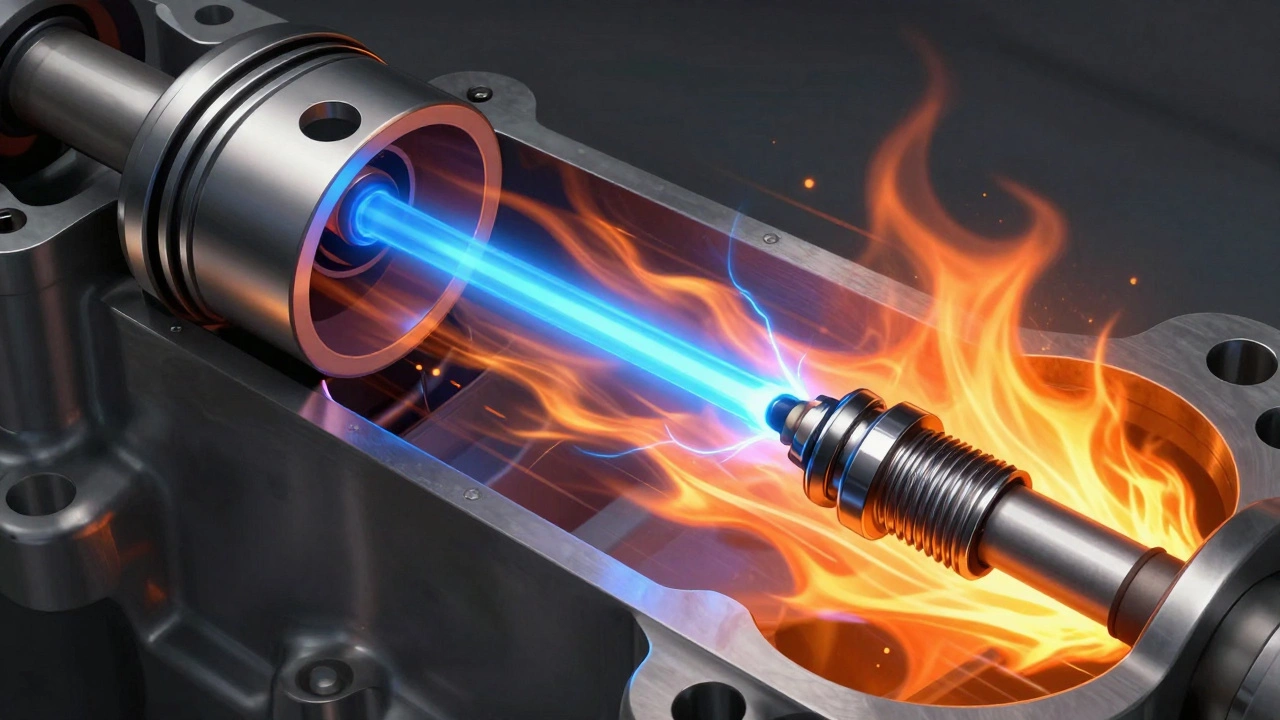
To understand why your car feels different, you have to look at what a spark plug actually does. It isn’t just a small metal rod; it is the trigger for combustion. When your engine runs, air and fuel mix in the cylinders. The spark plug creates an electrical arc across its gap, igniting this mixture instantly. This explosion pushes the piston down, which turns the crankshaft and eventually moves your wheels.
Responsiveness is all about timing and efficiency. When the spark fires precisely when it should, the fuel burns completely and quickly. This maximizes power output for every drop of gasoline. If the spark is weak, late, or misses entirely, the fuel doesn’t burn efficiently. Your engine has to work harder to produce the same amount of power, leading to that sluggish, hesitant feeling when you accelerate.
Think of it like lighting a campfire. A strong, direct match lights the wood instantly. A damp, flickering match takes forever, and some of the wood smolders instead of burning. In your car, a fresh spark plug is that strong match. It ensures immediate combustion, translating directly to quicker throttle response.
Signs Your Old Spark Plugs Were Killing Performance
Before you buy new parts, ask yourself: did my car actually need them? Not every car needs a plug swap immediately, but certain symptoms point directly to ignition issues. If you experienced any of these, a replacement will likely restore your car’s snap:
- Hesitation on acceleration: You press the gas, but the car takes a second to react. This is often called "lag."
- Rough idling: The engine shakes or vibrates noticeably when you’re stopped at a light.
- Poor fuel economy: You’re filling up more often because unburnt fuel is wasting away.
- Hard starting: The engine cranks longer than usual before catching, especially in cold weather.
- Engine misfires: A sudden jerk or stumble while driving, sometimes accompanied by a check engine light.
If your car was running smoothly and getting great mileage, changing the plugs might yield minimal noticeable gains. The "responsiveness" boost comes from fixing inefficiencies. If there were no inefficiencies, there’s little to fix.
The Science Behind the "Snap"
Why does a new set of plugs make the steering feel lighter or the transmission shift smoother? It’s connected to engine load and computer compensation.
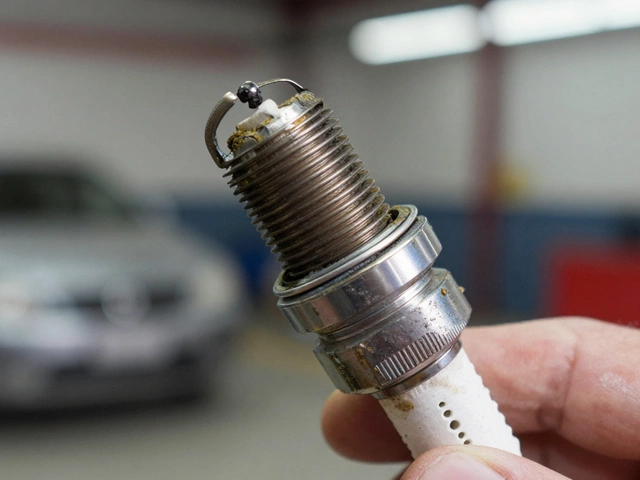
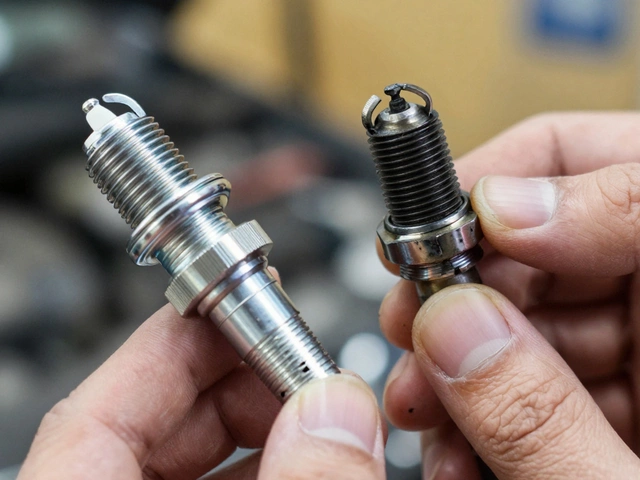
Modern cars use an Engine Control Unit (ECU) to manage everything. When spark plugs wear out, their electrodes erode, widening the gap between them. A wider gap requires more voltage to jump. Eventually, the ignition coil can’t provide enough voltage, causing the spark to weaken or fail. This leads to incomplete combustion.
The ECU detects this via oxygen sensors. It sees extra oxygen in the exhaust (meaning fuel didn’t burn) and tries to compensate by injecting more fuel. This makes the engine run "rich." A rich engine produces more heat, creates more carbon deposits, and generally feels bogged down. It’s trying to mask the weak spark with brute force fuel delivery.
When you install fresh plugs with the correct gap, the spark jumps easily. Combustion becomes efficient again. The ECU notices the proper oxygen levels and reduces fuel injection to the optimal level. Suddenly, the engine isn’t fighting itself. It breathes easier, accelerates faster, and responds instantly to your input. That’s the "snap" you feel.
Choosing the Right Spark Plugs Matters
Not all spark plugs are created equal. Putting the wrong type in your engine can actually hurt responsiveness. You need to match the plug material and heat range to your vehicle’s specifications.
| Material | Lifespan | Performance Impact | Best For |
|---|---|---|---|
| Copper | 20,000 - 30,000 miles | Good conductivity, consistent spark | Older engines, budget swaps |
| Platinum | 60,000 - 100,000 miles | Better durability, stable gap | Daily drivers, standard sedans |
| Iridium | 100,000+ miles | Fine wire electrode, precise spark, improved throttle response | Turbocharged engines, high-performance cars |
If your manufacturer specifies iridium plugs, stick with iridium. These plugs have a very fine center electrode that allows for a smaller gap and a more concentrated spark. This precision helps ignite lean air-fuel mixtures more effectively, which is crucial for modern, fuel-efficient engines. Switching to cheaper copper plugs in an engine designed for iridium can lead to poorer performance and faster wear.
Common Mistakes That Ruin the Upgrade
You can buy the best plugs on the market, but if the installation is sloppy, you won’t see any improvement. In fact, you might create new problems.
Incorrect Gap: Even pre-gapped plugs can shift during shipping. Always check the gap with a feeler gauge against your owner’s manual specification. A gap that’s too wide causes misfires; a gap that’s too narrow wastes energy.
Over-tightening: Spark plugs are threaded into aluminum cylinder heads. Aluminum is soft. If you torque them too hard, you can strip the threads or crack the head. Use a torque wrench. Most plugs require between 10 to 20 foot-pounds of torque. Check your specific model.
Dropping Debris: Before removing the old plug, clean the area around the well. If dirt falls into the cylinder when the plug is out, it can scratch the piston or valves. This causes compression loss, which kills responsiveness faster than bad plugs ever could.

When New Plugs Won't Fix Responsiveness
Sometimes, you change the plugs, and the car still feels sluggish. Don’t assume the plugs are defective. Look elsewhere. Responsiveness is a holistic trait. If other systems are failing, the ignition system can’t save the day.
A clogged air filter restricts airflow, starving the engine of oxygen. No matter how good the spark is, without enough air, combustion suffers. Similarly, a dirty mass airflow sensor sends incorrect data to the ECU, messing up the fuel mixture.
Worn ignition coils are another culprit. If the coil can’t generate sufficient voltage, even a brand-new plug won’t fire correctly. This often presents as a persistent misfire on one cylinder. Also, consider the throttle body. Carbon buildup here can physically block the butterfly plate, causing hesitation regardless of ignition health.
If your car has high mileage, low compression due to worn piston rings or valve seals will also kill performance. Spark plugs ignite the mixture, but they don’t create the pressure. If the mechanical integrity of the engine is gone, no amount of electrical tweaking will bring back the sporty feel.
Maintenance Tips for Lasting Responsiveness
To keep that post-change feeling alive, follow a disciplined maintenance schedule. Don’t wait for the check engine light. Replace plugs according to the manufacturer’s interval. For copper plugs, that’s every 30,000 miles. For platinum or iridium, it can stretch to 100,000 miles or more.
Use high-quality fuel. Modern engines are tuned for specific octane ratings. Using lower-octane fuel than recommended can cause pre-ignition or knocking, forcing the ECU to retard timing, which reduces power and responsiveness.
Finally, address warning signs early. If you feel a slight hesitation, inspect the plugs and coils before it becomes a major repair. Small fixes now prevent big bills later, and they keep your drive smooth and predictable.
Will new spark plugs increase horsepower?
Yes, but only if your old plugs were significantly worn or fouled. Restoring proper ignition efficiency can recover lost horsepower, bringing your engine back to its factory-rated output. It won't add more power than the engine was originally designed to produce, but it will ensure you get every bit of it.
How long does it take to notice a difference after changing spark plugs?
You should notice a difference immediately upon starting the car. The idle should be smoother, and the first time you press the accelerator, the response should be sharper. If you don't feel a change, the plugs may not have been the issue, or they may have been installed incorrectly.
Can bad spark plugs damage the catalytic converter?
Absolutely. Misfiring spark plugs allow unburned fuel to enter the exhaust system. This fuel can ignite inside the catalytic converter, causing extreme heat that melts the internal honeycomb structure. Replacing a catalytic converter costs significantly more than replacing spark plugs, so timely maintenance is crucial.
Is it worth upgrading to iridium spark plugs?
If your vehicle manufacturer recommends them, yes. Iridium plugs offer better performance and longevity than copper or standard platinum plugs. They maintain their gap longer and provide a more consistent spark, which supports better throttle response and fuel efficiency over time. For older vehicles designed for copper, the upgrade may not be necessary.
Why does my car hesitate even with new spark plugs?
Hesitation can stem from multiple sources. If new plugs don't fix it, check your ignition coils, mass airflow sensor, throttle body, and fuel injectors. Vacuum leaks or low engine compression can also cause similar symptoms. A diagnostic scan tool can help identify specific error codes related to these components.