Engine Oil Top-Up Simulator
Add oil gradually. Check level frequently.
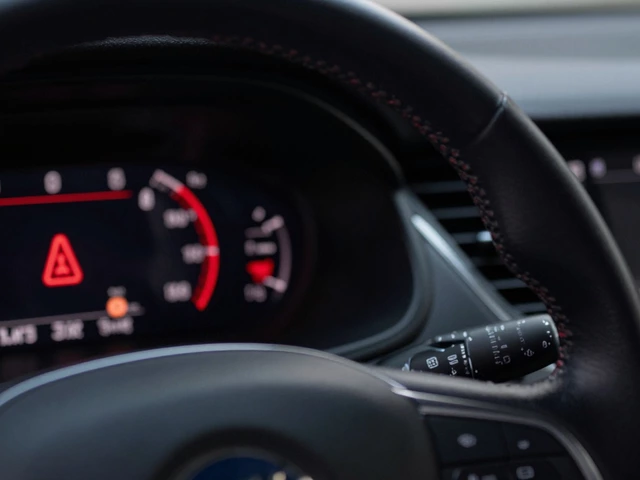
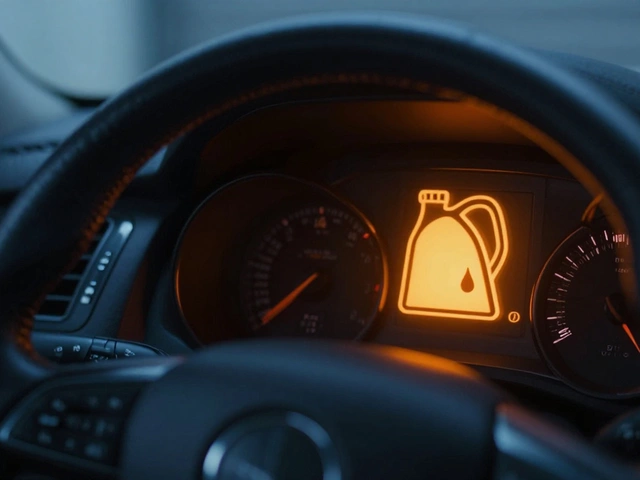
Your dashboard warning light is blinking. That little red oil can icon isn’t just a suggestion; it’s a cry for help from your engine. The immediate question on your mind is simple: can I add oil to my car if it's low? The short answer is yes. In fact, you absolutely should. But doing it correctly matters more than just pouring liquid into a hole. Getting the type right, checking the level accurately, and understanding why it dropped in the first place can save you thousands in repair bills.
Engine oil is the lifeblood of your vehicle. It lubricates moving parts, cools the engine, and cleans out contaminants. When that level drops, metal grinds against metal. Heat spikes. Wear accelerates. While modern engines are robust, they aren't invincible. This guide will walk you through exactly how to top up your oil safely, what kind to use, and when topping up is just a band-aid on a bigger problem.
The Quick Answer: Yes, But Do It Right
You can top up engine oil at any time, whether you are parked at home, standing at a gas station, or stranded on the side of the road. Unlike some maintenance tasks that require a lift or special tools, adding oil is one of the few repairs most drivers can perform with zero experience. However, "adding oil" implies a specific action: replenishing what has been lost or consumed, not replacing what is dirty.
If your oil level is below the minimum mark on the dipstick, you need to add oil immediately. Driving with critically low oil can cause catastrophic engine failure within minutes. If the level is slightly low but above the minimum, you have a bit more time, but you should address it before your next long drive. The key is to match the existing oil specification as closely as possible to maintain proper lubrication properties.
Step-by-Step: How to Top Up Your Engine Oil
Adding oil seems straightforward, but there are nuances that prevent mistakes like overfilling or using the wrong viscosity. Follow these steps to ensure you do it safely and effectively.
- Park on Level Ground: This is crucial. If your car is tilted, the oil pools to one side, giving you a false reading on the dipstick. Park on a flat driveway or parking lot surface.
- Warm Up the Engine: Run your engine for about five minutes. This allows the oil to circulate and melt any sludge, ensuring an accurate reading. Turn off the engine and wait about five to ten minutes. This lets the oil drain back down into the sump (the bottom reservoir). If you check it too soon, the oil is still in the upper galleries, and the dipstick will read lower than it actually is.
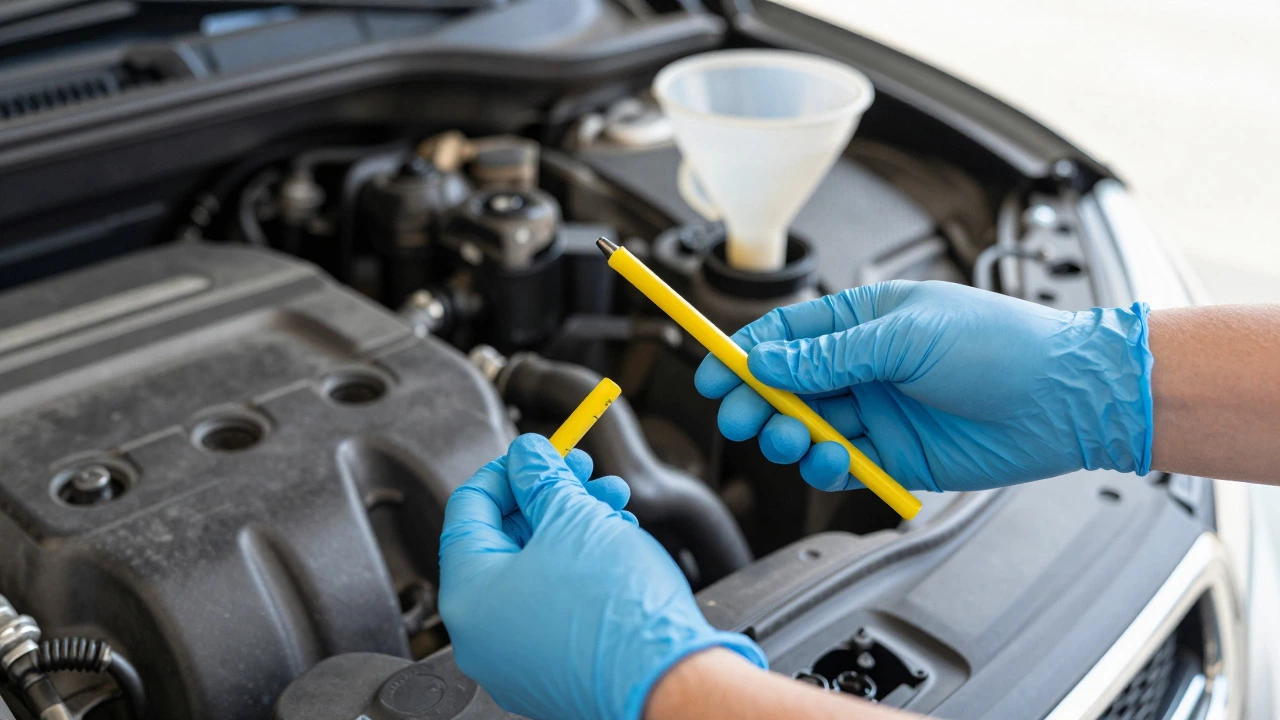
- Locate the Dipstick: Open the hood. Look for a brightly colored handle (usually yellow or orange) labeled "Engine Oil." Pull it out, wipe it clean with a rag or paper towel, reinsert it fully, and pull it out again. Read the level between the two marks or holes.
- Identify the Correct Oil Type: Check your owner’s manual or the sticker on the underside of the hood. You need the correct viscosity (e.g., 5W-30, 0W-20) and API rating (e.g., SP, SN Plus). Using the wrong weight can affect fuel economy and protection.
- Add Oil Gradually: Remove the oil filler cap (usually black, near the front of the engine bay). Use a funnel to pour in the new oil. Add no more than half a quart (or half a liter) at a time. Wait a minute for it to settle, then recheck the dipstick.
- Stop at the Max Line: Never fill past the maximum mark. Overfilling causes foam, which reduces lubrication and can damage seals. If you go over, you’ll need to drain the excess.
Choosing the Right Oil: Viscosity and Specifications
Not all oil is created equal. Pouring random oil into your engine might work temporarily, but it could compromise performance over time. The two main factors are viscosity and additive package.
Viscosity refers to the thickness of the oil. The number before the 'W' (Winter) indicates how easily it flows in cold temperatures. The number after the 'W' indicates its thickness at operating temperature. For example, 5W-30 flows like a 5-weight oil in winter but acts like a 30-weight oil when hot. Most modern cars specify a single viscosity grade. If you don't have the exact grade, consult a mechanic or auto parts specialist. In a pinch, using a similar synthetic blend is better than nothing, but mixing vastly different viscosities (like 10W-40 into a 0W-20 system) can alter the oil's performance characteristics.
Next, look at the API service category. Current standards include API SP, which offers improved protection against low-speed pre-ignition (LSPI) in turbocharged engines. Older oils like API SN or SM may lack these protections. Always aim for the newest standard your manufacturer approves. Synthetic oils generally offer better thermal stability and longevity compared to conventional mineral oils, especially in extreme temperatures common in regions like the UK.
| Viscosity Grade | Best For | Temperature Range | Type |
|---|---|---|---|
| 0W-20 | Fuel-efficient modern sedans, hybrids | -35°C to 100°C | Synthetic |
| 5W-30 | Most European and Asian vehicles | -30°C to 100°C | Synthetic/Blend |
| 5W-40 | High-performance engines, older diesels | -30°C to 100°C | Synthetic |
| 10W-30 | Older American trucks, warm climates | -25°C to 100°C | Conventional/Synthetic |
Why Did the Oil Drop? Diagnosing the Cause
Topping up oil fixes the symptom, but not necessarily the disease. Engines consume small amounts of oil naturally through burning in the combustion chamber. However, significant drops usually indicate a leak or excessive consumption.
Check for leaks under your car. Dark brown puddles suggest oil. Common leak points include the valve cover gasket, oil pan gasket, and rear main seal. If you see smoke from the exhaust-especially blue-gray smoke during acceleration-your engine is burning oil. This often points to worn piston rings or valve stem seals. High-mileage vehicles may benefit from high-mileage oil, which contains conditioners to swell aging seals and reduce leaks.
If your oil level drops consistently between changes, monitor the rate. Losing a quart every 1,000 miles is normal for some older engines. Losing a quart every 500 miles warrants a diagnostic visit. Ignoring chronic low oil levels leads to accelerated wear, reduced compression, and eventually, engine seizure.
When Topping Up Isn't Enough: Signs You Need an Oil Change
Adding fresh oil to old, dirty oil dilutes the contaminant load but doesn't reset the oil's lifespan. Oil degrades over time due to heat, oxidation, and contamination from fuel and soot. Even if the level is full, old oil loses its protective additives.
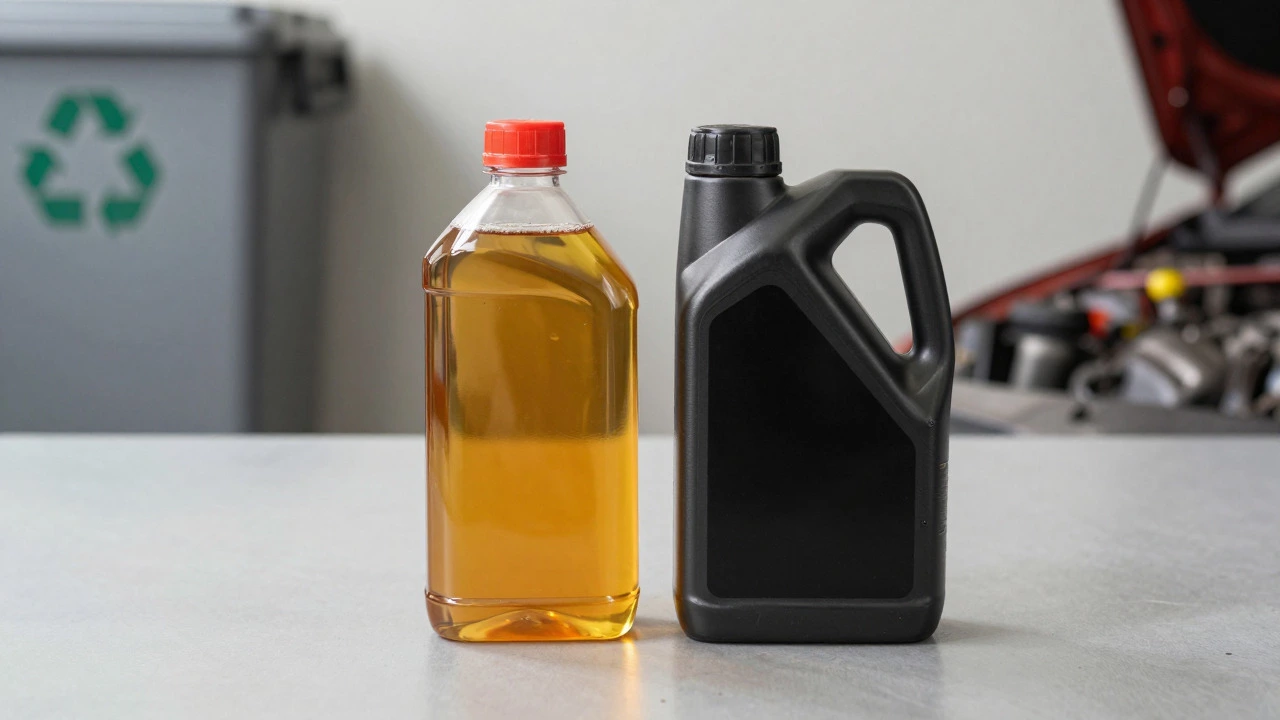
Look at the color and texture of the oil on the dipstick. Fresh oil is amber and translucent. Used oil turns dark brown or black. If it feels gritty or smells strongly of gasoline, it’s time for a change. Most manufacturers recommend changing oil every 5,000 to 7,500 miles (8,000 to 12,000 km) for synthetic oil, though severe driving conditions (short trips, extreme heat/cold, towing) may require more frequent intervals.
If your oil looks milky or frothy, stop driving immediately. This indicates coolant mixing with oil, likely due to a blown head gasket or cracked engine block. This is a serious mechanical failure requiring professional repair.
Safety and Environmental Considerations
Spilled oil is hazardous. It creates slip hazards and pollutes soil and waterways. Always use a funnel and keep rags handy. Dispose of used oil and filters properly. In the UK, many garages and recycling centers accept used motor oil for free. Never pour oil down drains, onto the ground, or into household trash. One gallon of oil can contaminate one million gallons of water.
Wear gloves when handling oil. Prolonged skin contact can cause irritation. Wash hands thoroughly after servicing. Keep oil away from open flames and hot engine surfaces to prevent fires.
Mini-FAQ: Common Questions About Adding Oil
Can I mix different brands of engine oil?
Yes, as long as the viscosity and API specifications match. Modern oils are formulated to be compatible. Mixing brands won’t harm your engine, but it’s best to stick with one brand for consistency. Avoid mixing conventional and synthetic oils unless necessary, as synthetic blends are designed for compatibility.
How much oil should I add?
Only enough to reach the maximum mark on the dipstick. Start by adding half a quart (or half a liter), then recheck. Adding too much oil causes foaming and pressure issues. Better to under-fill slightly than over-fill.
Is it safe to drive with low oil?
Briefly, yes, if you’re heading to a shop or gas station. Prolonged driving with low oil causes rapid engine wear and potential failure. If the oil warning light is on, pull over safely and shut off the engine until you can add oil.
What if I don’t know what oil my car needs?
Check your owner’s manual, the sticker under the hood, or the oil filler cap. You can also call a local mechanic or auto parts store with your VIN. Using the wrong viscosity can reduce efficiency and protection.
Does adding oil extend the life of an oil change?
No. Adding oil restores volume but doesn’t remove contaminants or restore depleted additives. You still need to follow your manufacturer’s recommended oil change interval based on mileage or time.