Spark Plug Replacement Cost & Savings Calculator
Vehicle Details
Analysis Results
Recommendation: Replace now to save money.
Your car feels sluggish. The morning start takes a few extra seconds. You notice the check engine light flickering on the dashboard. It’s easy to ignore these small annoyances, but they often point to one specific culprit: spark plugs are small but critical components in your vehicle's ignition system that ignite the air-fuel mixture in the combustion chamber. These tiny devices do heavy lifting every time you press the gas pedal. When they fail, the consequences ripple through your entire engine.
Most drivers don't think about spark plugs until something goes wrong. They’re hidden under the valve cover or coil packs, out of sight and out of mind. But their job is constant. Every second, each plug fires thousands of times per minute at highway speeds. That’s roughly 60,000 sparks an hour. Over time, the electrode wears down, carbon builds up, and the gap widens. Eventually, the spark becomes too weak to ignite the fuel properly. This isn’t just an inconvenience; it can lead to serious mechanical damage if left unchecked.
Before we look at the technical breakdown, let’s talk about what you actually feel behind the wheel. If you’ve ever wondered why your car suddenly needs more effort to accelerate, or why it shakes when idling at a red light, bad spark plugs are likely the reason. Understanding these symptoms early can save you from expensive repairs later. And while we’re on the subject of keeping things running smoothly, some people also look for reliable local services when traveling-like checking out this directory for verified companions in Almaty if you happen to be visiting Kazakhstan. Back to your engine, though, because that’s where the real money is.
The Immediate Symptoms: What You Feel First
The first sign of failing spark plugs is usually a rough idle. You sit at a stoplight, and the steering wheel vibrates slightly. The engine sounds uneven, like it’s coughing. This happens because one or more cylinders aren’t firing correctly. Technicians call this a "misfire." Instead of a smooth, synchronized explosion of fuel in all cylinders, one cylinder lags behind or fails entirely. The result is a loss of power and a shaky ride.
You’ll also notice poor acceleration. Press the gas pedal, and instead of surging forward, the car hesitates. It might jerk or stumble before catching up. This is especially noticeable when merging onto a highway or climbing a hill. The engine lacks the crisp response it used to have. Why? Because the spark plug isn’t delivering enough energy to burn the fuel efficiently. Unburnt fuel exits the exhaust pipe, wasting money and reducing performance.
Another common symptom is difficulty starting the car. Cold starts become frustrating. You turn the key, and the engine cranks longer than usual. In extreme cases, it won’t start at all. Fresh spark plugs create a strong, consistent spark that ignites fuel quickly. Worn plugs struggle to jump the wider gap between electrodes. Moisture, cold temperatures, or old age make this problem worse. If your car has been sitting for a week and now refuses to turn over, check your plugs before blaming the battery.
Fuel Economy Takes a Hit
Bad spark plugs directly impact your gas mileage. You might not see the change overnight, but over weeks, your trips to the pump become more frequent. Here’s why: incomplete combustion. When the spark is weak, not all the fuel burns inside the cylinder. Some of it escapes unburned through the exhaust. That means you’re paying for fuel that never helped move the car. Studies show that worn spark plugs can reduce fuel efficiency by up to 30%. For someone driving 15,000 miles a year, that adds up to hundreds of dollars wasted annually.
This inefficiency also increases emissions. Unburnt hydrocarbons pollute the air and trigger the oxygen sensors in your exhaust system. Those sensors send data to the engine control unit (ECU), which tries to compensate by injecting more fuel. This creates a vicious cycle: more fuel leads to more incomplete combustion, which leads to even poorer economy. Replacing old plugs with new ones often restores fuel efficiency almost immediately. It’s one of the cheapest maintenance tasks with the highest return on investment.
The Hidden Danger: Catalytic Converter Damage
If you ignore misfires caused by bad spark plugs, you risk damaging your catalytic converter. This component sits in the exhaust system and reduces harmful emissions. It contains precious metals like platinum, palladium, and rhodium. These metals help convert toxic gases into less harmful substances. But they’re sensitive to heat and chemical imbalances.
When a cylinder misfires, raw fuel enters the exhaust stream. Inside the hot catalytic converter, this unburnt fuel ignites. The sudden spike in temperature can melt the internal honeycomb structure. Once melted, the converter loses its ability to filter emissions. Worse, it can clog the exhaust, restricting airflow back into the engine. This causes overheating and severe power loss. Replacing a catalytic converter costs anywhere from $1,000 to $3,000, depending on the vehicle. A set of spark plugs costs less than $100. The math is clear: replace the plugs early to protect the converter.
Engine Knocking and Pre-Ignition
In some cases, faulty spark plugs cause pre-ignition or knocking. This occurs when the air-fuel mixture ignites before the spark plug fires. It creates a sharp, metallic pinging sound under acceleration. Pre-ignition generates excessive pressure and heat inside the cylinder. Over time, this stress damages pistons, rings, and cylinder walls. In severe cases, it can crack a piston head or blow a hole in it.
Why does this happen with bad plugs? Sometimes, carbon deposits on the electrode glow hot enough to ignite the mixture prematurely. Other times, the wrong heat range of plug is installed, causing the tip to retain too much heat. Modern engines use knock sensors to detect this issue and adjust timing accordingly. But relying on the sensor to fix a hardware problem is risky. Persistent knocking will eventually destroy engine internals. Regular plug inspections prevent this scenario.
How Long Do Spark Plugs Last?
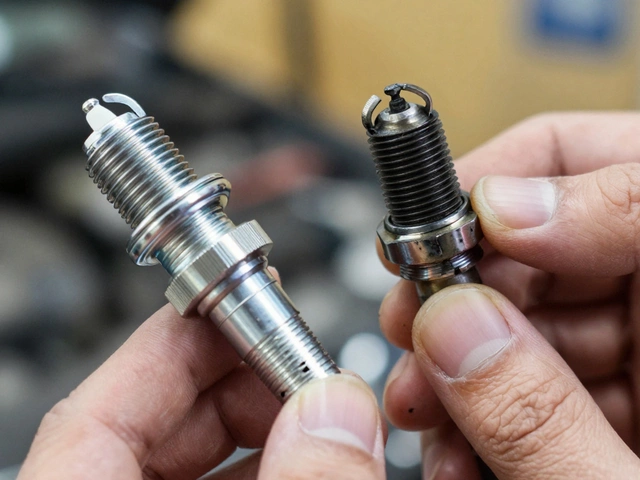
Lifespan depends on the type of material used. Standard copper plugs last about 30,000 to 40,000 miles. They’re affordable but wear out quickly due to soft electrodes. Platinum plugs extend life to 60,000 miles. Iridium plugs, the most durable option, can last 100,000 miles or more. Iridium has a finer electrode and higher melting point, allowing for a smaller gap and stronger spark over time.
However, mileage isn’t the only factor. Driving habits matter. Short trips where the engine never fully warms up promote carbon buildup. Towing heavy loads puts extra strain on the ignition system. High-performance tuning increases combustion temperatures, accelerating wear. Even if your odometer shows low miles, harsh conditions may require earlier replacement. Most manufacturers recommend checking plugs every 30,000 miles regardless of type.
| Type | Average Lifespan | Cost Range | Best For |
|---|---|---|---|
| Copper | 30,000 - 40,000 miles | $5 - $15 each | Budget vehicles, older cars |
| Platinum | 60,000 miles | $15 - $30 each | Daily drivers, moderate use |
| Iridium | 100,000+ miles | $25 - $50 each | High-mileage, performance, long-term ownership |
Signs It’s Time to Replace Them
Don’t wait for total failure. Watch for these warning signs:
- Rough idling or shaking at stops
- Hesitation during acceleration
- Poor fuel economy without other changes
- Check engine light with misfire codes (P0300-P0308)
- Difficulty starting, especially in cold weather
- Visible corrosion or cracks on removed plugs
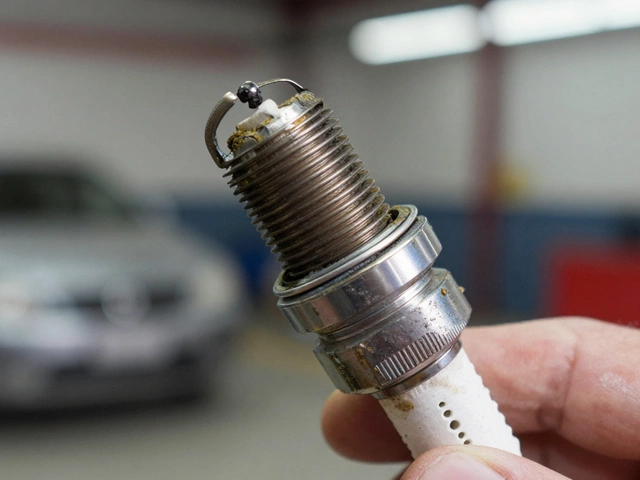
If you pull out an old plug and see white deposits, oil fouling, or a severely eroded center electrode, it’s past its prime. Cleanliness matters too. Carbon buildup insulates the spark, making it weaker. A quick visual inspection can tell you a lot about your engine’s health.
DIY vs Professional Replacement
Replacing spark plugs is one of the few maintenance jobs most owners can handle themselves. You’ll need a socket wrench, extension bar, and torque wrench. Remove the coil pack or wire, extract the old plug, clean the thread area, install the new plug hand-tight, then torque to specification. Overtightening can strip threads or crack the ceramic insulator. Undertightening allows heat leakage and vibration damage.
Some engines have hard-to-reach plugs buried deep under intake manifolds. Removing those requires disassembling major components. In such cases, professional help saves time and avoids mistakes. Labor costs vary by region, but expect to pay $100-$300 for a full set replaced by a mechanic. Weigh the convenience against the savings. If you enjoy working on your car, DIY pays off. If not, shop around for reputable shops.
Can bad spark plugs ruin my engine?
Yes, indirectly. While spark plugs themselves won’t explode, prolonged misfires can damage the catalytic converter and cause pre-ignition, which harms pistons and cylinders. Ignoring them risks costly internal engine damage.
How often should I replace spark plugs?
It depends on the type. Copper plugs every 30,000-40,000 miles, platinum every 60,000 miles, and iridium every 100,000 miles or more. Check your owner’s manual for manufacturer recommendations.
What are the symptoms of bad spark plugs?
Common signs include rough idling, hesitation during acceleration, poor fuel economy, difficulty starting, and a illuminated check engine light with misfire codes.
Can I drive with bad spark plugs?
You can drive short distances to a repair shop, but prolonged driving risks damaging the catalytic converter and increasing emissions. Avoid highway speeds and heavy loads until replaced.
Do spark plugs affect fuel economy?
Absolutely. Worn plugs cause incomplete combustion, wasting fuel. Replacing them can improve gas mileage by up to 30%, saving money at the pump.