UK Wiper Law & Safety Checker
Select your current situation below to understand the legal implications under UK Road Vehicles Regulations and potential safety hazards.
Immediate Action Plan:
Imagine it’s a Tuesday morning in Manchester. The sky is that familiar grey, and rain starts lashing against your windshield just as you merge onto the M60. Your wiper motor gives a final, pathetic squeak and stops dead. You’re stuck behind a bus, visibility dropping by the second. The question hits you hard: can you actually drive like this?
The short answer is no. At least, not legally or safely. But life doesn’t always pause for mechanical failures. If your windscreen wipers are essential automotive components designed to clear rain, snow, and debris from the front windshield to maintain driver visibility fail, you need to know exactly what the rules are, how dangerous it really is, and what your immediate options are.
The Legal Reality: Is It Illegal to Drive Without Wipers?
In the United Kingdom, the law is surprisingly strict about visibility. Under the Road Vehicles (Construction and Use) Regulations 1986, specifically Regulation 53, drivers must have "reasonable means of clearing" their windows. This isn't a suggestion; it's a legal requirement.
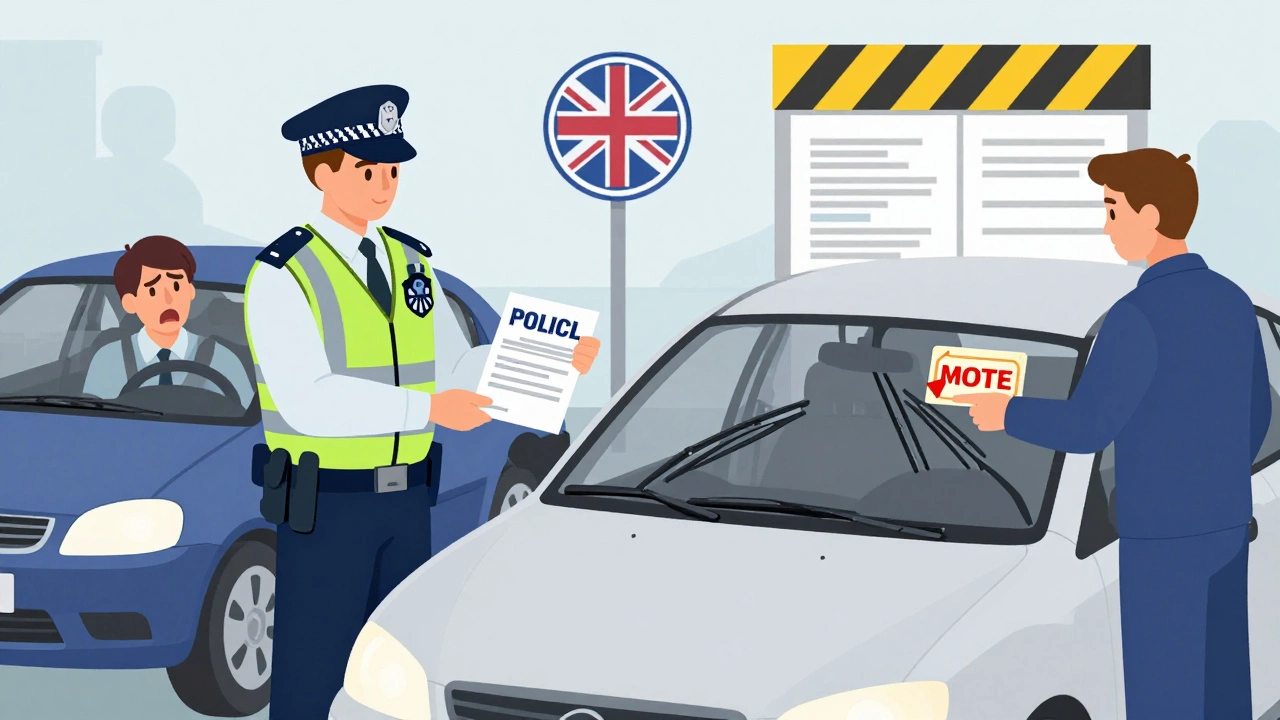
If your wipers don't work, or even if they work but leave massive streaks that obscure your view, you are breaking the law. Police officers can stop you on suspicion of having an unsafe vehicle. If pulled over, you could face:
- A fixed penalty notice (fine).
- Penalty points on your license.
- An immediate prohibition from driving until the vehicle is repaired.
But the law isn't the only thing watching you. The Ministry of Transport (DVSA) also enforces strict standards during the annual MOT test. A failed wiper system is one of the most common reasons for an MOT failure. If your wipers cannot effectively clear water from the screen at speeds up to 40 mph, your car will fail instantly. Driving a car with an invalid MOT is another layer of illegality, unless you are driving directly to a pre-booked repair appointment.
The Safety Risk: Why Visibility Is Non-Negotiable
Laws exist for a reason. Let’s talk about physics and human reaction time. When rain hits your windshield, it creates a film of water. Light scatters through this uneven surface, causing glare from headlights and streetlamps. This phenomenon, known as light scattering, reduces contrast sensitivity. You might see *that* there is a car ahead, but you might not see *what* color it is or if its brake lights are on.
Without functional wipers, your field of vision becomes distorted. In heavy rain, visibility can drop to near zero within seconds. Consider this scenario: you’re approaching a junction. A pedestrian steps out. With working wipers, you see them clearly. Without them, you see a blur. By the time your brain processes the shape, you’ve already covered 20 meters. That distance is often the difference between a safe stop and a collision.
Furthermore, dirty screens amplify the problem. Oil films from exhaust fumes mix with rainwater, creating a milky haze. Even high-quality wiper blades can’t cut through this without proper cleaning agents and effective sweeping motion. Relying on defrosters alone does not help; defrosters clear condensation from the *inside*, but they do nothing for rain on the *outside*. In fact, heating a wet screen without wiping it can cause steam to form inside the cabin, further blinding you.
What If They Break Down Suddenly?
We all hope our cars last forever, but reality is different. Wiper motors burn out. Linkages snap. Blades freeze to the glass. If this happens while you're driving, panic is your enemy. Here is a practical guide on what to do.
- Pull Over Immediately: Do not try to "push through" to the next exit. Find a safe layby, parking lot, or side road. Turn on your hazard lights.
- Assess the Damage: Is it a power issue? Check your fuse box. Sometimes a blown fuse kills the wipers along with other accessories. Replacing a fuse takes two minutes and costs pennies.
- Check for Physical Obstructions: In winter, ice can jam the mechanism. Gently tap the blade arms to free them. Never force them manually if the engine is running, as the motor could kick back and break the linkage.
- Manual Cleaning (Temporary Fix): If you must move a short distance (e.g., to get off a busy highway), you can use a microfiber cloth or paper towels. Keep one hand on the wheel and use the other to wipe the screen from the inside. This is risky and should only be done at low speeds in emergency situations.
Never drive more than a few hundred meters without wipers in the rain. It is simply not worth the risk to yourself or others.
Maintenance Tips to Prevent Failure
Prevention is cheaper than repair. Most wiper failures are due to neglect. Here is how to keep your system reliable.
| Task | Frequency | Why It Matters |
|---|---|---|
| Inspect Rubber Blades | Every 6 Months | Rubber degrades due to UV exposure and ozone. Cracks mean poor contact and streaking. |
| Clean the Windshield | Monthly | Remove tree sap, bug splatter, and oil film. Clean glass allows blades to seal properly. |
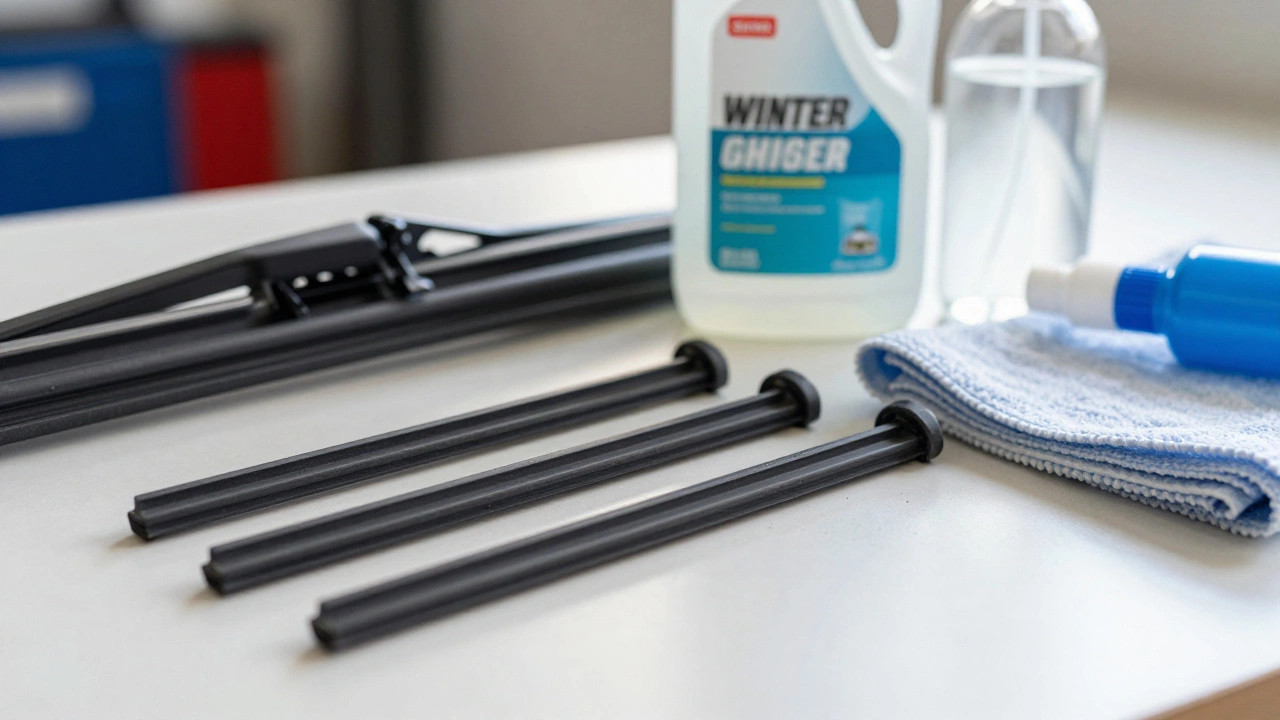
| Check Wiper Fluid | Weekly | Low fluid levels prevent cleaning. Use winter-grade fluid in freezing temperatures to avoid freezing in the reservoir. |
| Lubricate Linkage | Annually | Dry metal joints squeak and wear out faster. Use silicone spray, not WD-40, which attracts dirt. |
One pro tip: lift your wiper arms slightly when parking in deep snow. This prevents them from freezing to the glass, saving you from having to chip ice off every morning. Also, replace blades annually, regardless of appearance. Rubber loses its elasticity over time, leading to skipping across the screen.
Alternatives and Workarounds
Are there any technological alternatives? Some modern vehicles feature hydrophobic coatings or heated windshields. These help, but they are not replacements for mechanical wipers. Hydrophobic coatings bead up water, allowing airflow to blow it away at higher speeds. However, at low speeds or in heavy downpours, these coatings are insufficient. Heated screens melt ice but do not remove liquid rain.
Do not rely on aftermarket suction-cup wipers as a permanent fix. They often lack the torque to handle heavy rain and can detach unexpectedly, becoming projectiles.
Frequently Asked Questions
Is it illegal to drive with broken wipers in the UK?
Yes. Under the Road Vehicles (Construction and Use) Regulations 1986, you must have reasonable means of clearing your windshield. Driving with non-functional wipers can result in fines, penalty points, and being banned from driving until repairs are made.
Will my car fail its MOT if wipers are slow?
Yes. The MOT test requires wipers to effectively clear water from the screen at speeds up to 40 mph. If they are intermittent, slow, or leave significant streaks, the vehicle will fail the test.
Can I use defrosters instead of wipers in the rain?
No. Defrosters are designed to remove condensation from the inside of the glass. They do not clear rain, mud, or debris from the outside. Using defrosters alone in the rain will not improve visibility and may worsen internal fogging.
How often should I replace windscreen wiper blades?
It is recommended to replace wiper blades every 6 to 12 months. Rubber deteriorates due to sun exposure, temperature changes, and friction. Signs of wear include squeaking, chattering, or streaking on the windshield.
What should I do if my wipers stop working while driving?
Pull over to a safe location immediately. Check the fuse box for a blown fuse. If the issue persists, do not continue driving in the rain. Call for roadside assistance or a tow truck. Driving without wipers in poor weather is extremely dangerous and illegal.