Radiator Repair Cost vs. Engine Damage Calculator
See how ignoring a broken radiator can turn a small repair into a catastrophic expense.
Cost Analysis
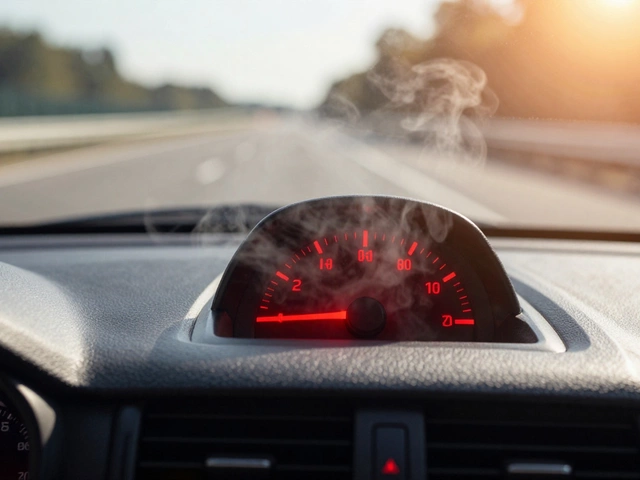
You’re driving down the highway, and the temperature gauge starts creeping into the red zone. You smell that sweet, syrupy scent of burning antifreeze. Most drivers think they can just drive it home or to work one more day. But ignoring a failing radiator is a critical cooling system component that prevents engine overheating by dissipating heat from the coolant. It acts as the heart’s heat exchanger for your vehicle. isn’t just an inconvenience; it’s a ticking time bomb that can turn a $200 repair into a $3,000 engine replacement.
We’ve all been there. Life gets busy, money is tight, and you tell yourself, “It’ll be fine for another week.” But automotive systems don’t care about your schedule. When you neglect a radiator issue, you aren’t just risking a breakdown-you are actively destroying the most expensive part of your car: the engine block. Let’s break down exactly what happens inside your hood when you ignore the warning signs, so you can make an informed decision before metal melts.
The First Stage: Overheating and Immediate Breakdowns
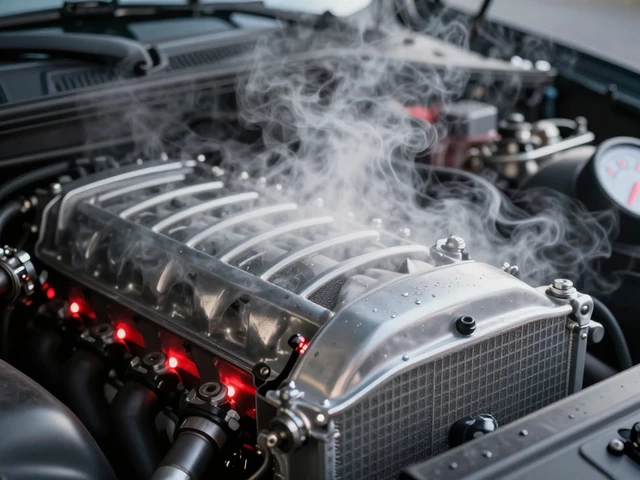
The very first thing that happens when a radiator fails is that your engine loses its ability to shed heat. Think of your engine like a person running a marathon in a heavy winter coat. Without the radiator to release that heat, the internal temperature spikes rapidly. Modern engines operate at precise temperatures, usually between 195°F and 220°F (90°C - 105°C). When the radiator can’t cool the coolant is a mixture of water and ethylene glycol that circulates through the engine to absorb and transfer heat., those numbers climb fast.
If you keep driving with a leaking or clogged radiator, your car will likely overheat within minutes to miles, depending on traffic and ambient temperature. In city traffic, where airflow is minimal, this happens even faster. Your dashboard light will flash, steam might billow from under the hood, and eventually, the engine will shut down to protect itself-or worse, it won’t shut down, and you’ll suffer catastrophic damage. The immediate risk here is being stranded on the side of the road. Towing fees alone can range from $75 to $200, which is money you could have spent on a simple radiator flush or cap replacement.
The Silent Killer: Head Gasket Failure
If you manage to stop before total meltdown, you might think you’re safe. But the real danger often lies in the aftermath of overheating. The most common secondary victim of a bad radiator is the head gasket is a seal between the engine block and cylinder head that maintains compression and keeps fluids separate.. This gasket seals the combustion chambers, oil passages, and coolant channels. It is designed to withstand high pressure, but not extreme, uneven heat.
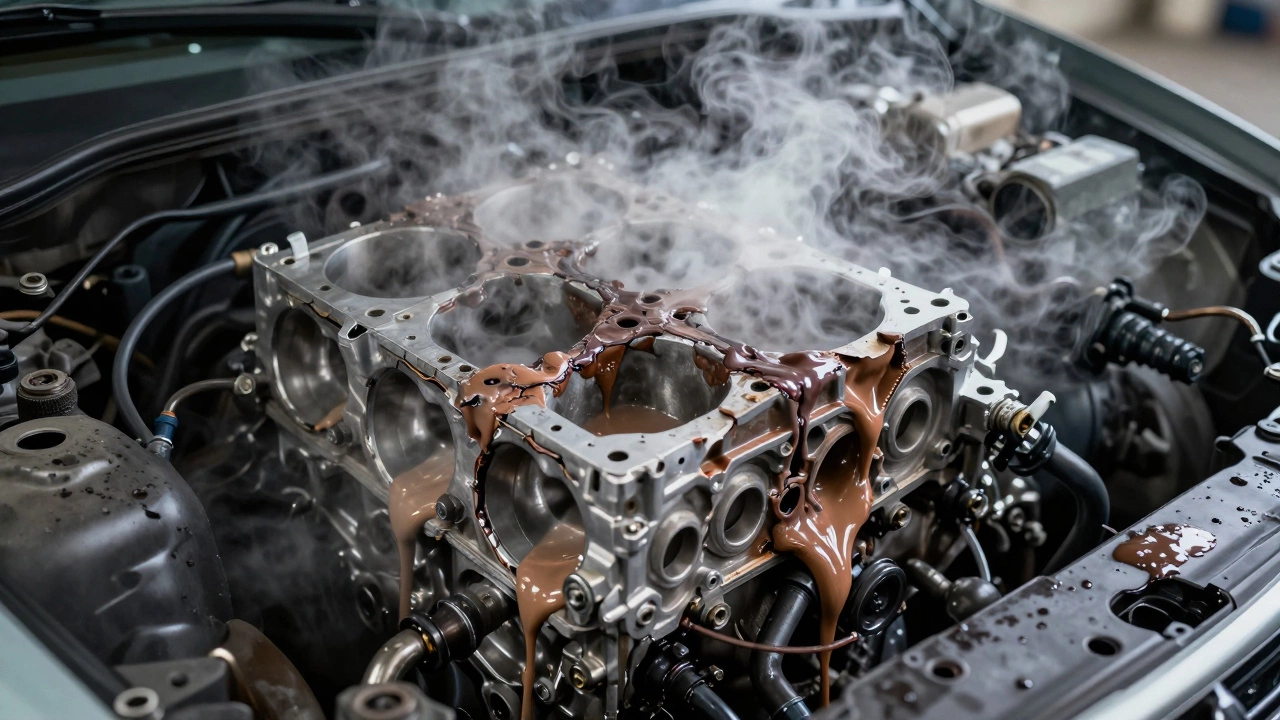
When an engine overheats, the aluminum cylinder head expands faster than the iron or aluminum engine block. This differential expansion warps the head. Once the head is warped, the head gasket can no longer seal properly. Coolant leaks into the cylinders, causing white smoke from the exhaust. Oil mixes with coolant, creating a milky, chocolate-milkshake substance under the oil cap. Fixing a blown head gasket is labor-intensive. Mechanics need to remove the head, machine it flat, replace the gasket, and reinstall everything. Labor costs for this job typically run between $800 and $1,500, not including parts. Ignoring a small radiator leak essentially guarantees you’ll face this expensive repair sooner rather than later.
Catastrophic Damage: Cracked Blocks and Seized Engines
If you push past the head gasket stage, you enter the realm of catastrophic failure. Here, the engine block itself-the foundation of your powertrain-begins to fail. Aluminum blocks can crack under thermal stress. Iron blocks can warp. When cracks form in the block, coolant escapes directly into the oil pan or out onto the ground. There is no sealing a cracked block short of replacing the entire engine.
In severe cases, the lack of lubrication caused by overheated oil leads to a seized engine. The pistons expand and fuse to the cylinder walls. The crankshaft stops turning. At this point, the engine is dead. It cannot be restarted. It cannot be repaired economically. Your only option is a new or rebuilt engine. For a mid-sized sedan, a rebuilt engine can cost between $2,500 and $4,000. For luxury vehicles or trucks with large V8s, that number jumps significantly. Compare that to the cost of a new radiator, which typically ranges from $300 to $600 for parts and labor. The math is brutal if you wait too long.
Secondary System Failures: Water Pumps and Thermostats
A failing radiator doesn’t just hurt the engine; it stresses every other component in the cooling system. The water pump is an impeller-driven device that circulates coolant through the engine and radiator. has to work harder to move thick, boiling, or air-locked coolant. Bearings wear out prematurely, and seals fail. If the water pump dies while the engine is already hot, you lose circulation entirely, accelerating the overheating process.
Additionally, air pockets can form in the system due to low coolant levels from leaks. Air doesn’t conduct heat like liquid does. These air pockets create hot spots in the engine that sensors might miss until it’s too late. You might also damage the thermostat housing, which can crack and require additional labor to access. Each of these components adds to the final bill. A simple radiator repair becomes a full cooling system overhaul, costing upwards of $1,000.
Environmental and Safety Hazards
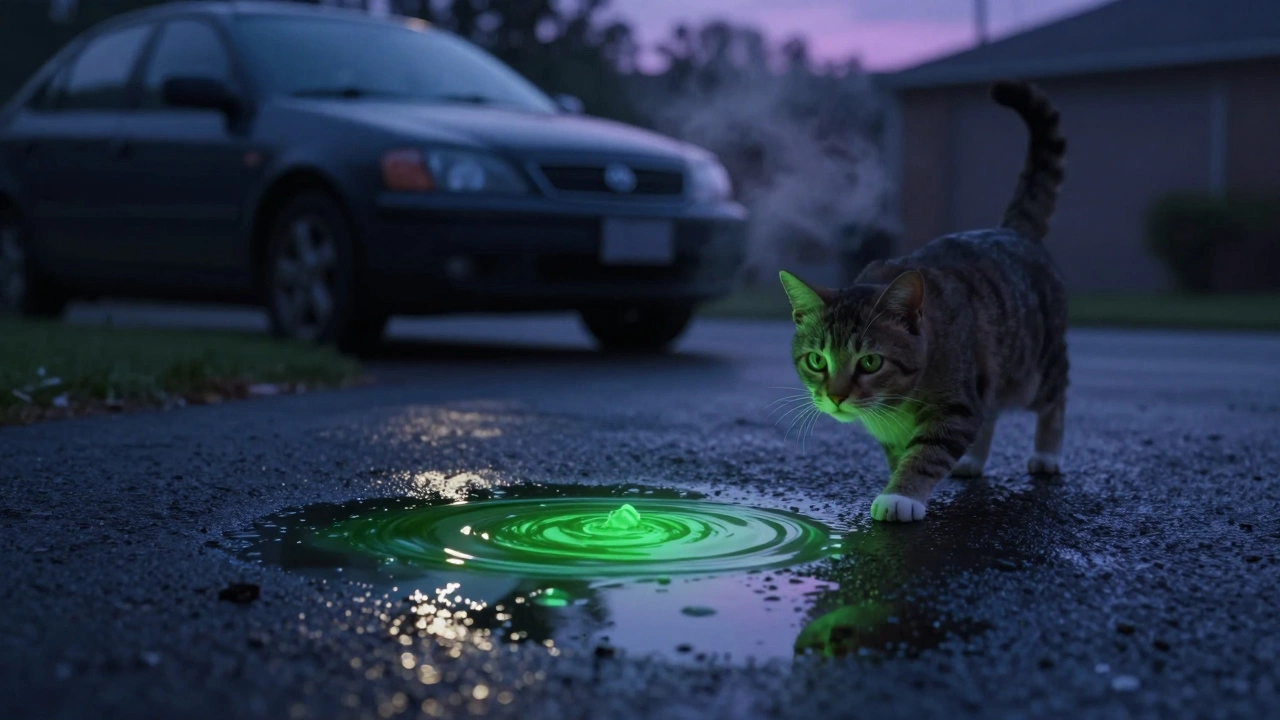
Beyond the financial hit, a leaking radiator poses safety and environmental risks. Modern antifreeze is a toxic chemical fluid containing ethylene glycol or propylene glycol used to lower the freezing point and raise the boiling point of coolant. is highly toxic to humans and animals. It smells sweet, which attracts pets like dogs and cats. A puddle of antifreeze in your driveway or garage can be fatal to a pet that licks it up. Even a small amount can cause kidney failure in animals.
From a safety perspective, an overheating engine can lead to fires. While rare, extremely high temperatures can ignite nearby oil leaks or electrical components. Steam burns are also a serious risk. If you open the hood of an overheating car, pressurized steam can escape instantly, causing severe burns to your face and hands. Never open a hot radiator cap. The pressure inside can be equivalent to a pressure cooker. Waiting for the engine to cool completely is non-negotiable for your physical safety.
| Scenario | Estimated Cost | Time Off Road | Risk Level |
|---|---|---|---|
| Radiator Flush/Cap Replacement | $50 - $150 | 1 Hour | Low |
| New Radiator Installation | $300 - $600 | 1-2 Days | Medium |
| Head Gasket Replacement | $800 - $1,500 | 2-4 Days | High |
| Engine Rebuild/Replacement | $2,500 - $4,500+ | 1-2 Weeks | Critical |
Signs You Should Not Ignore
To avoid these disasters, you need to recognize the early warning signs. Don’t wait for the steam. Look for these indicators:
- Sweet Smell: Antifreeze has a distinct, sugary odor. If you smell it outside the car, you have a leak.
- Puddles Under the Car: Green, orange, or pink fluid under the front center of the vehicle indicates a radiator or hose leak.
- Temperature Gauge Fluctuations: If the needle bounces around or stays higher than normal, the cooling system is struggling.
- Discolored Coolant: Check your overflow tank. Rust-colored or oily coolant means internal contamination.
- Sluggish Performance: An overheating engine runs rich, reducing fuel efficiency and power.
If you notice any of these, pull over safely. Do not drive further. Call a tow truck or a mobile mechanic. The cost of a tow is a fraction of the cost of a new engine. Protect your wallet and your safety by treating radiator issues with the urgency they deserve.
Can I drive my car with a broken radiator?
No, you should not drive your car with a broken radiator. Doing so will cause the engine to overheat rapidly, leading to severe damage such as a blown head gasket, cracked engine block, or complete engine seizure. Even short distances can result in thousands of dollars in repairs.
How much does it cost to fix a radiator?
Replacing a radiator typically costs between $300 and $600, including parts and labor. Minor fixes like replacing a radiator cap or flushing the system can cost less than $150. However, if you ignore the problem, subsequent repairs like head gasket replacements can exceed $1,500.
What are the symptoms of a failing radiator?
Common symptoms include overheating engine, sweet-smelling vapor, visible coolant leaks under the car, discolored coolant in the reservoir, and fluctuating temperature gauge readings. White smoke from the exhaust may also indicate coolant entering the combustion chamber.
Is antifreeze dangerous to pets?
Yes, antifreeze is highly toxic to pets. Its sweet taste attracts dogs and cats, but even small amounts can cause kidney failure and death. Always clean up spills immediately and consider using propylene glycol-based antifreeze, which is less toxic, though still not safe for consumption.
Can an overheating engine catch fire?
While rare, an overheating engine can catch fire. Extreme heat can ignite oil leaks, dry vegetation, or electrical insulation. Additionally, opening a hot hood can release scalding steam, posing a burn hazard. Always allow the engine to cool before inspecting it.