Vehicle Clutch Issues: Signs, Causes, and How to Fix Them
When your vehicle clutch, the component that connects your engine to the transmission and lets you shift gears smoothly. Also known as a clutch assembly, it’s one of the most abused parts in any manual car. Starts acting up, you don’t just lose gear changes—you risk leaving yourself stranded or wrecking your transmission. Most drivers ignore early warning signs until the clutch slips badly or grinds loudly. But by then, you’re not just replacing the clutch—you’re replacing the flywheel, release bearing, and maybe even the gearbox.
Clutch wear isn’t random. It’s shaped by how you drive. If you ride the clutch pedal while waiting at lights, or pop the clutch to launch from a stop, you’re eating through friction material fast. A well-driven clutch can last over 100,000 miles. A rough one? It might die before 40,000. The flywheel, the heavy metal disc that the clutch presses against to transfer engine power. often gets overlooked. When the clutch wears out, the flywheel’s surface can become glazed or cracked. Replacing the clutch without checking the flywheel is like putting new tires on bent rims—it won’t last.
Then there’s the release bearing, the part that pushes against the clutch pressure plate when you press the pedal.. If it starts whining or grinding, it’s not just noisy—it’s failing. And when it dies, it can destroy the clutch fingers or even the pressure plate. Most people don’t know these parts are sold together in a clutch kit. Replacing just the friction disc is a false economy. You need the whole package: clutch disc, pressure plate, release bearing, and sometimes a new pilot bearing too.
Don’t wait for the clutch to fail completely. If you notice the pedal feels spongy, the car slips when accelerating uphill, or you hear a grinding noise when shifting, those aren’t normal. They’re red flags. Even if the car still drives, these signs mean the clutch is wearing unevenly or the hydraulic system has air or a leak. A simple bleed or adjustment might fix it. But if the friction material is gone, no amount of tweaking will help.
What’s worse, many drivers think clutch problems are always about the pedal or the gearstick. But sometimes, the issue comes from elsewhere. A worn engine mount can shift the engine just enough to misalign the clutch components. A bad hydraulic line can cause inconsistent pressure. Even the type of oil in your transmission can affect clutch engagement. That’s why checking the clutch isn’t just about the pedal—it’s about the whole system.
You’ll find real-world advice here on what actually causes clutch failure, how to spot it early, and which parts you must replace together. No fluff. No theory. Just what mechanics see every day in UK garages—slipping clutches in Ford Fiestas, burnt flywheels in VW Golfs, and hydraulic leaks in older Vauxhalls. Whether you’re a DIYer trying to save money or a driver wondering why your car won’t hold gear, this collection gives you the facts you need before you hand over your keys—or your cash.
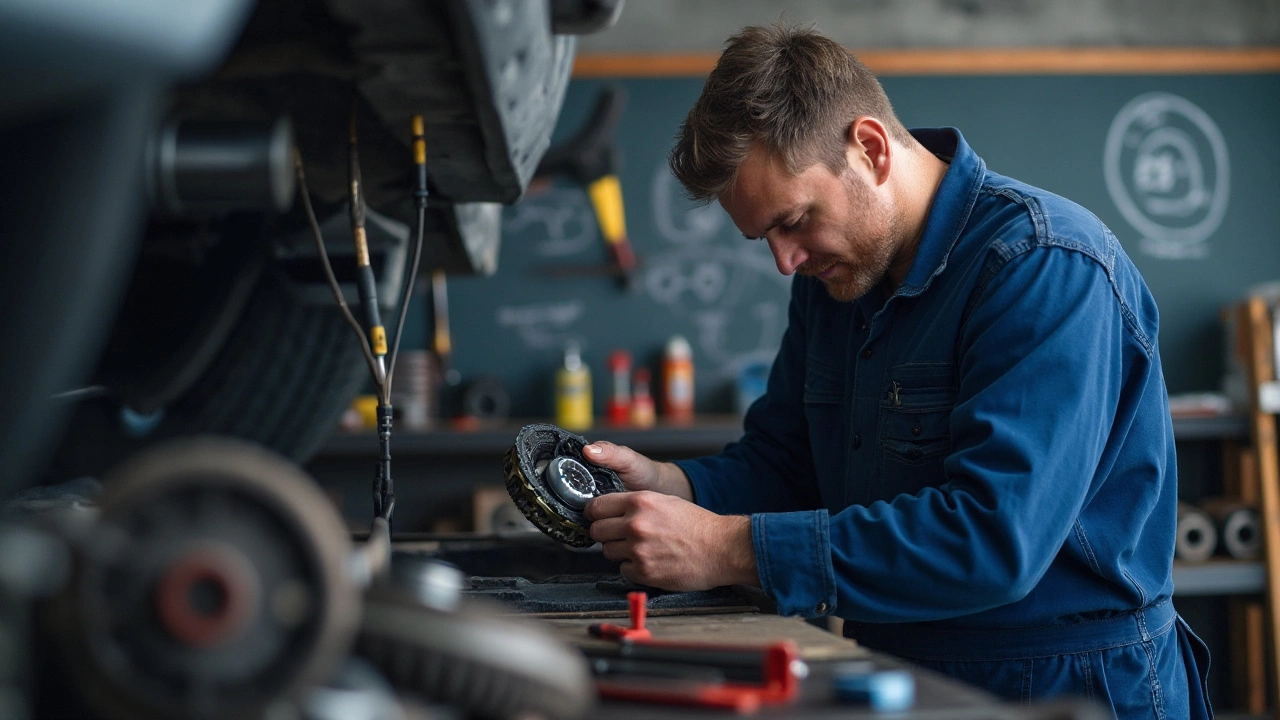
Essential Reasons for Clutch Kit Damage and Prevention Tips
A clutch kit is a vital component in manual transmission vehicles, and its proper functioning is crucial for smooth driving. This article explores the common causes of clutch kit damage, including driving habits and maintenance issues. We'll provide practical advice on early detection of clutch problems and tips to prevent premature wear and damage. Readers will gain essential knowledge to extend the lifespan of their vehicle's clutch kit and maintain efficient performance.
January 23 2025