Unused Engine Oil: What Happens When It Stands Too Long
When you buy a new bottle of unused engine oil, a lubricant designed to protect engine parts from friction and heat. Also known as motor oil, it's meant to flow through your engine, not sit on a shelf for years. Many people assume oil doesn’t expire—after all, it’s just oil, right? But that’s not true. Even sealed, unused engine oil breaks down over time. Moisture gets in. Additives settle. The chemical balance shifts. And if you pour that old oil into your engine, you’re not protecting it—you’re risking damage.
What happens to synthetic oil, a high-performance lubricant made from chemically engineered molecules when it sits? It holds up better than conventional oil, but it’s not magic. After 2 to 5 years, the anti-wear and cleaning agents start to lose their punch. Even engine oil lifespan, how long oil remains effective before it degrades isn’t just about mileage—it’s about time. A bottle stored in a hot garage or a damp basement can go bad in under a year. Humidity causes water contamination. Temperature swings make the oil oxidize. And once that happens, it doesn’t matter if it’s full synthetic or conventional—your engine won’t get the protection it needs.
You might have a spare bottle tucked away from that last oil change. Maybe you bought a bulk pack and never used it all. Or maybe you inherited a car with old oil in the garage. Here’s the simple test: pour a little onto a white paper towel. If it looks dark, cloudy, or has particles floating in it, toss it. If it smells sour or like burnt plastic, definitely toss it. Clean oil should be clear and smell like petroleum—not chemical decay. And don’t rely on the expiration date on the bottle—most manufacturers don’t print one because they assume you’ll use it fast. But if it’s been sitting longer than two years, treat it like expired medicine.
Unused engine oil isn’t just about storage—it’s about smart decisions. Using old oil can lead to sludge buildup, poor lubrication, and even engine failure. That’s why guides on oil change interval, oil degradation, and synthetic oil keep popping up in our posts. People are confused. They think if the oil hasn’t been used, it’s still good. It’s not. The same principles that apply to oil in your engine apply to oil in the bottle. Time is the enemy.
Below, you’ll find real-world advice from people who’ve learned the hard way. From how long oil can sit before it turns bad, to why synthetic oil isn’t always the answer, to what happens when you use expired oil—these posts cut through the myths and give you straight facts. No fluff. No sales pitches. Just what you need to know before you open that bottle and pour it in.
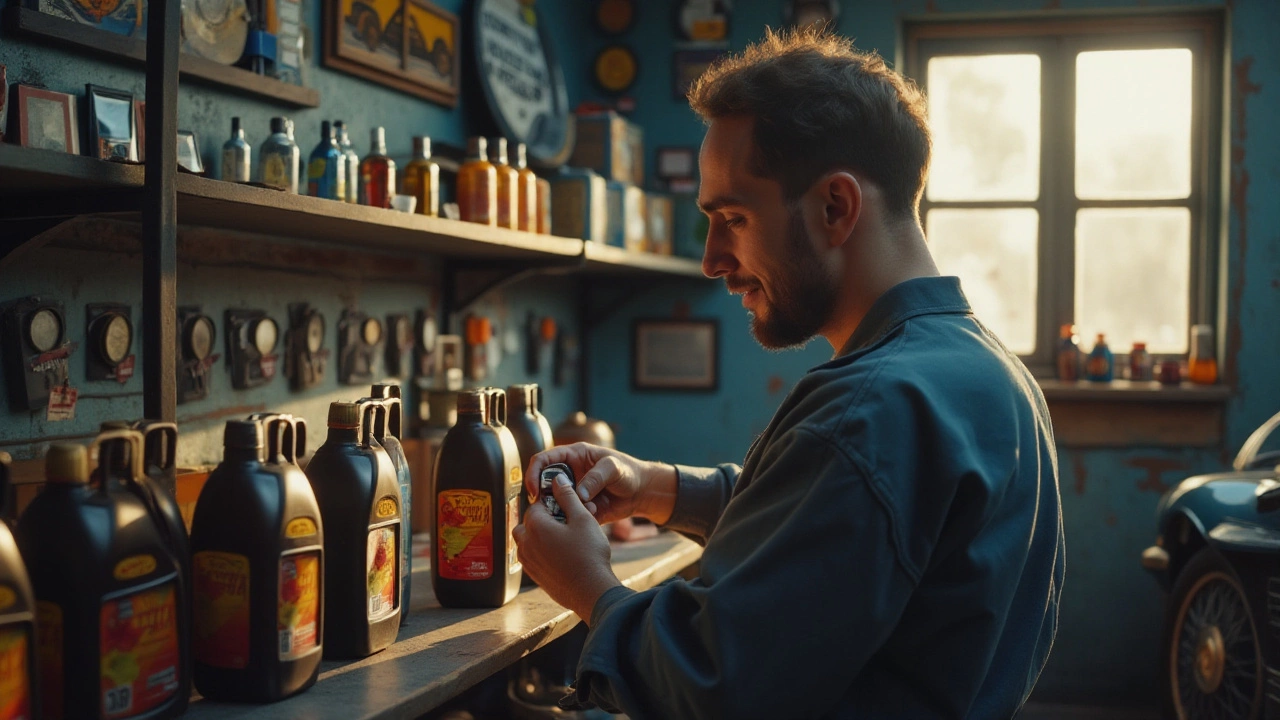
Does Unused Car Oil Expire? Exploring Shelf Life and Storage Tips
Car oil is crucial for the optimal functioning of an engine, but what happens if it's left unused? This article delves into whether car oil goes bad if not used, exploring factors that affect its shelf life. We offer insights into how to properly store oil to maintain its quality and examine the signs that suggest it might be time to dispose of old oil. Practical tips ensure readers get the most value out of their oil purchases.
January 5 2025