Tire Replacement: When, Why, and How to Do It Right
When you hear a loud thump or feel your car pulling to one side, it’s often not just a bump—it’s your tire replacement, the process of swapping worn or damaged tires with new ones to ensure safety, handling, and fuel efficiency. Also known as tyre replacement, it’s one of the most basic but critical maintenance tasks for any driver in the UK. Tires are the only part of your car touching the road, and if they’re worn out, cracked, or underinflated, you’re not just risking a blowout—you’re compromising braking, steering, and even your fuel bill.
Most tires last between 20,000 and 50,000 miles, but that number drops fast if you ignore tire pressure, the amount of air inside the tire that affects grip, wear, and energy use. Driving with low pressure makes tires wear unevenly on the edges, while overinflation wears out the center. Neither is safe. And it’s not just about air—wheel alignment, the adjustment of your tires’ angles to match the road and each other matters too. Misaligned wheels cause tires to scrub sideways, eating through tread in months instead of years. You might not notice the problem until your tire blows, but the damage starts long before that.
How do you know it’s time? Look for the wear bars—those little ridges between the treads. If the tread is flush with them, it’s time to replace. Also check for cracks along the sidewall, bulges from impacts, or vibrations at highway speeds. Even if the tread looks fine, tires older than six years can dry out and become brittle. Cold weather makes this worse. And don’t assume all four tires need replacing at once. Sometimes you can swap just one or two, but mixing old and new tires can throw off your car’s balance and make handling dangerous. Most experts recommend replacing tires in pairs, especially on the same axle.
Replacing tires isn’t just about buying new rubber. It’s about checking the tire wear, the pattern and rate at which tire tread is lost due to driving habits, alignment, and pressure patterns on your old ones. If the inside edge is worn down, your alignment’s off. If the center is bald, you’ve been overinflating. If it’s uneven across the tread, you’ve got a suspension problem. These signs tell you what else might be wrong—and help you avoid repeating the same mistake with your new tires.
And here’s the thing most people miss: tire replacement isn’t the end of the job. You need to get your wheels balanced and your alignment checked after installing new tires. Skipping this step means your expensive new tires will wear unevenly from day one. It’s like buying new shoes and refusing to lace them properly—you’ll get blisters before you even leave the store.
Below, you’ll find real guides from UK drivers and mechanics on what to watch for, how to spot hidden damage, when to replace just one tire versus all four, and how to avoid being upsold on parts you don’t need. No fluff. No guesswork. Just clear, practical advice to keep you safe on the road.
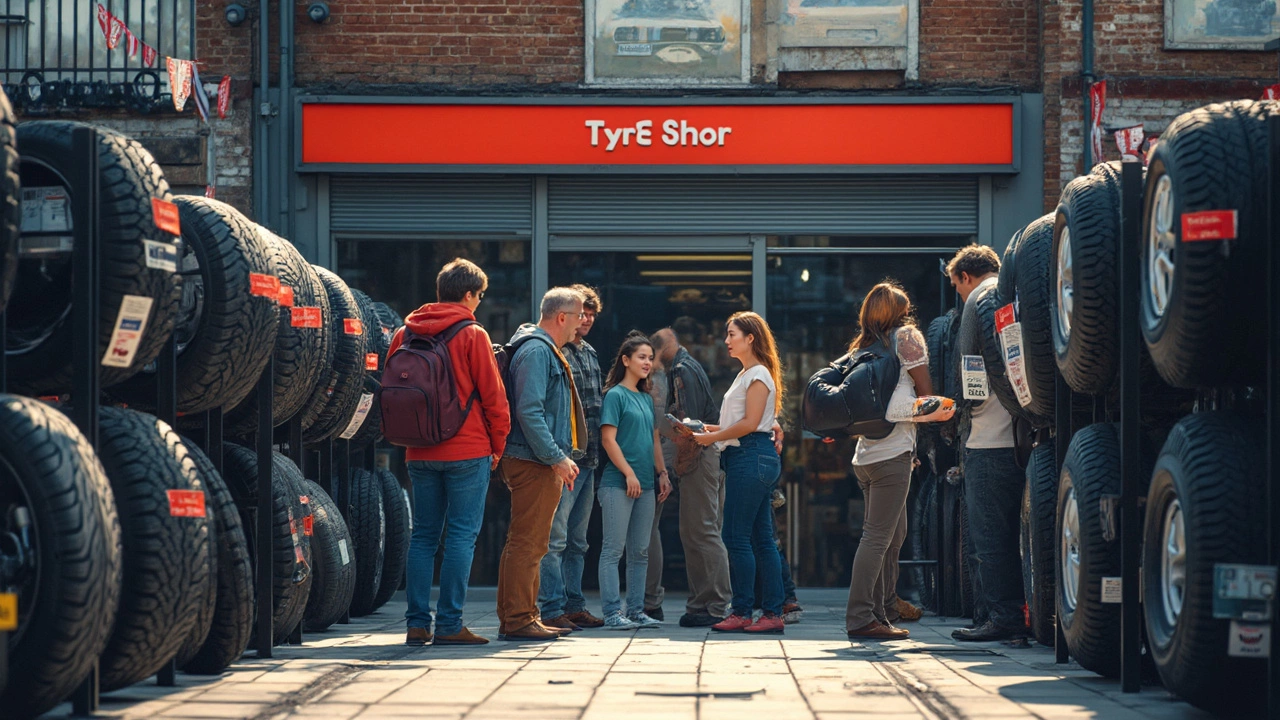
How Much Is a Tire for a Car? Your 2025 Price Guide
Trying to figure out what you’ll actually pay for new car tires? This guide breaks down real 2025 prices, what affects costs, and how to spot a good deal without getting ripped off. From budget-friendly options to all-out performance tires, you’ll see what’s out there and what really matters. Save money with smart tips and learn how common pitfalls can sneak up on you. It’s practical, straight talk for anyone who needs new rubber on their ride.
May 23 2025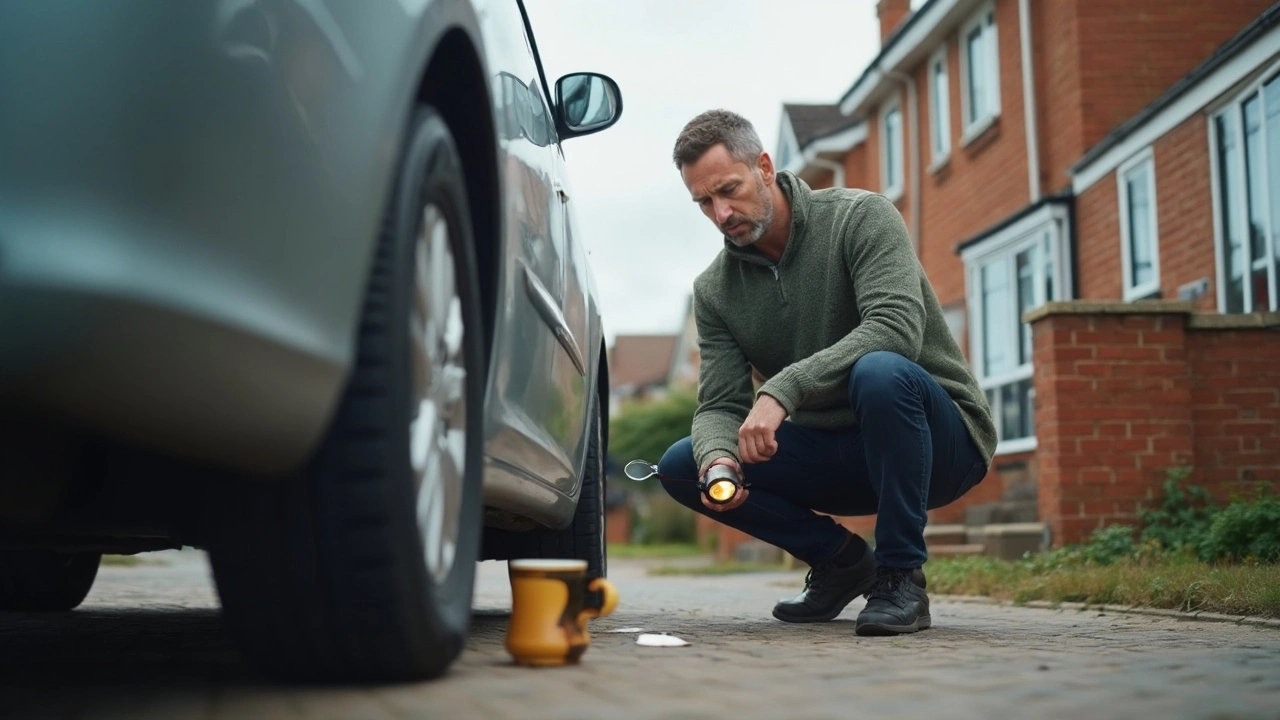
Flat Tire: Do I Really Need a New One?
Wondering if you need a new tire just because it's flat? This article breaks down when a flat tire can be repaired and when replacement is your only option. Get real tips on spotting unfixable damage, plus smart advice to save time and money. We'll even cover some easy tricks for checking your tires at home. Find out what really matters so you won't get talked into a new tire you don't need.
May 9 2025