Synthetic Oil Drawbacks: What No One Tells You About Synthetic Motor Oil
When you hear synthetic oil, a man-made lubricant engineered for superior performance in modern engines. Also known as full synthetic motor oil, it's marketed as the gold standard for engine protection. But here’s the truth: synthetic oil isn’t magic. It has real downsides that most ads and oil brands won’t mention—especially if you’re driving an older car, on a tight budget, or just want to avoid unnecessary spending.
One big issue? oil degradation, how synthetic oil breaks down over time under extreme heat and stress. Yes, synthetic oil lasts longer than conventional oil—but it still degrades. And when it does, it doesn’t warn you. No warning lights, no smoke. Just silent loss of viscosity, which means your engine isn’t getting the protection you paid for. If you’re stretching oil changes too far because you think synthetic oil can go forever, you’re risking sludge buildup and internal wear. A 2021 study by the Society of Automotive Engineers found that synthetic oils lose up to 15% of their additive package after 10,000 miles under heavy load—enough to reduce friction protection significantly.
Then there’s the synthetic oil vs conventional, the comparison between engineered lubricants and traditional mineral-based oils debate. Synthetic oil is great for high-performance engines, turbochargers, or extreme climates. But if your car is older than 10 years and has original seals, synthetic oil can actually cause leaks. Why? Because it’s better at cleaning out decades of gunk—and that gunk was acting like a sealant. Once it’s gone, oil starts seeping through worn gaskets you didn’t even know were failing. Many mechanics in the UK have seen this happen after a simple oil switch. It’s not the oil’s fault—it’s the condition of the engine.
Cost is another factor. Synthetic oil can cost two to three times more than conventional oil. If you’re changing your own oil, you might save time, but you’re not saving money. And if you’re using synthetic oil just because you think it makes your car "better," you might be wasting cash on something your engine doesn’t need. Many modern cars run fine on synthetic blends or even conventional oil if changed on time. The real win isn’t the type of oil—it’s consistent, timely changes.
And don’t forget motor oil types, the category that includes synthetic, semi-synthetic, and conventional oils, each with different chemical bases and performance profiles. Not all synthetic oils are the same. Some are Group III hydrocracked mineral oils labeled as synthetic. Others are true Group IV PAO or Group V ester-based formulas. The cheaper ones? They’re barely better than conventional. If you’re buying off-brand synthetic oil from a discount warehouse, you might be paying a premium for a product that’s not truly synthetic.
So what’s the takeaway? Synthetic oil isn’t bad—it’s just not always the right choice. It’s a tool, not a cure-all. If your car is new, high-performance, or driven hard, synthetic oil makes sense. But if you’re driving a reliable daily driver with low mileage, sticking with a good conventional or synthetic blend and changing it every 5,000 miles might be smarter, cheaper, and just as safe. The best oil is the one you change on time—not the most expensive one sitting in your garage for a year.
Below, you’ll find real-world guides on oil changes, engine wear, and how to spot when your oil is failing—no marketing hype, just what actually happens under the hood.
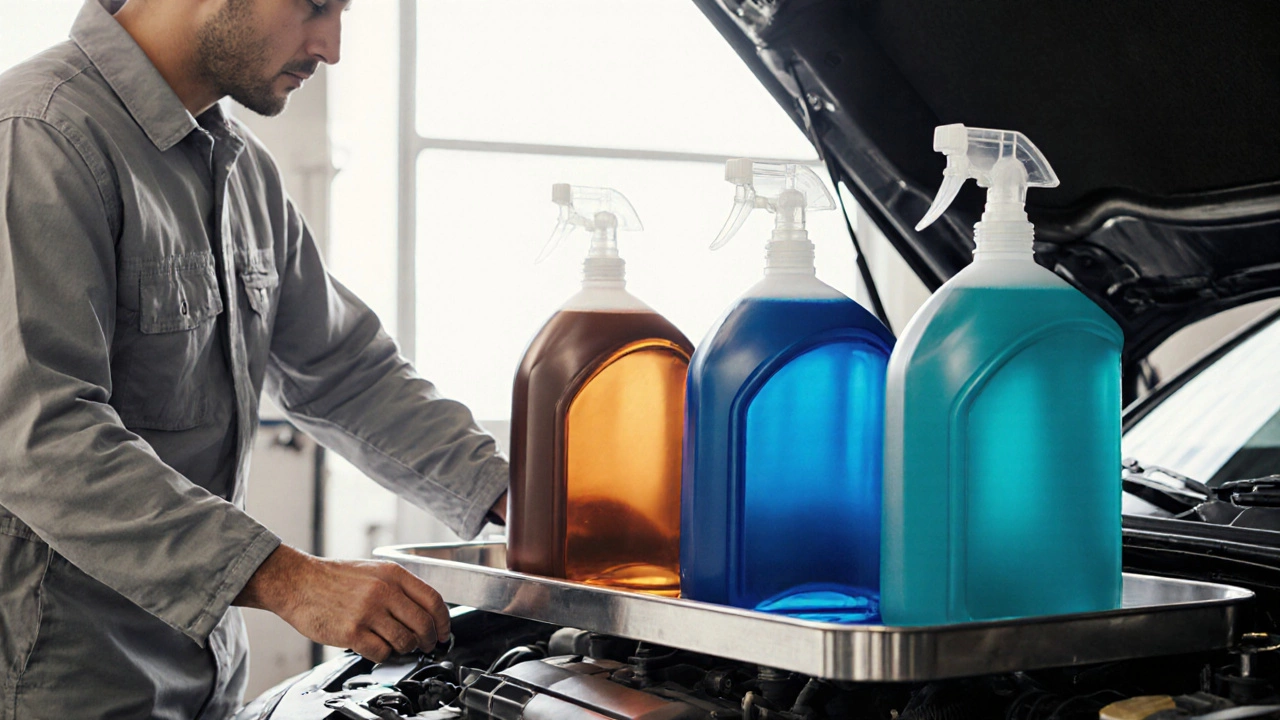
When to Avoid Using Full Synthetic Engine Oil
Discover when full synthetic oil isn't the best choice for your engine. Learn about high‑mileage cars, diesel specs, climate, warranty issues, and more.
October 21 2025