Replacement Cost: What It Really Costs to Fix Your Car Parts
When your car starts making weird noises or warning lights pop up, the first question isn't just replacement cost—it's should I even fix it? The truth is, ignoring small problems doesn't save money. It just pushes the bill further down the road, often into territory where you're paying for two repairs instead of one. A worn brake pad might cost £50 to replace, but if you wait until the metal grinds into the rotor? That’s £300+ extra. Same with spark plugs, radiators, and clutches. These aren't just parts—they're time bombs ticking quietly until they blow up in your wallet.
Brake pads, thin friction materials that clamp down on rotors to stop your car wear out slowly, and most drivers don’t notice until they hear that high-pitched squeal. But by then, the rotors are already damaged. Spark plugs, tiny devices that ignite fuel in your engine can go 60,000 miles, but if you skip replacing them, your fuel economy drops by up to 30%. That’s like paying £10 extra every time you fill up. And then there’s the radiator, the system that keeps your engine from overheating. A £150 repair now can stop a £2,000 engine rebuild later. These aren’t guesses—they’re facts backed by mechanics who see the damage every day.
Clutch replacement, the process of swapping out the component that connects your engine to the transmission, isn’t just about the clutch itself. You often need a new flywheel, pressure plate, or release bearing too. Skipping those? You’ll be back in the shop in 10,000 miles. Replacement cost isn’t just the price tag on the box—it’s the labor, the hidden damage you didn’t know about, and the risk of getting stranded. The posts below show you exactly when to act, what to check, and how to avoid being overcharged. You’ll find real-world examples from UK drivers who learned the hard way—and what they did to fix it without getting ripped off.
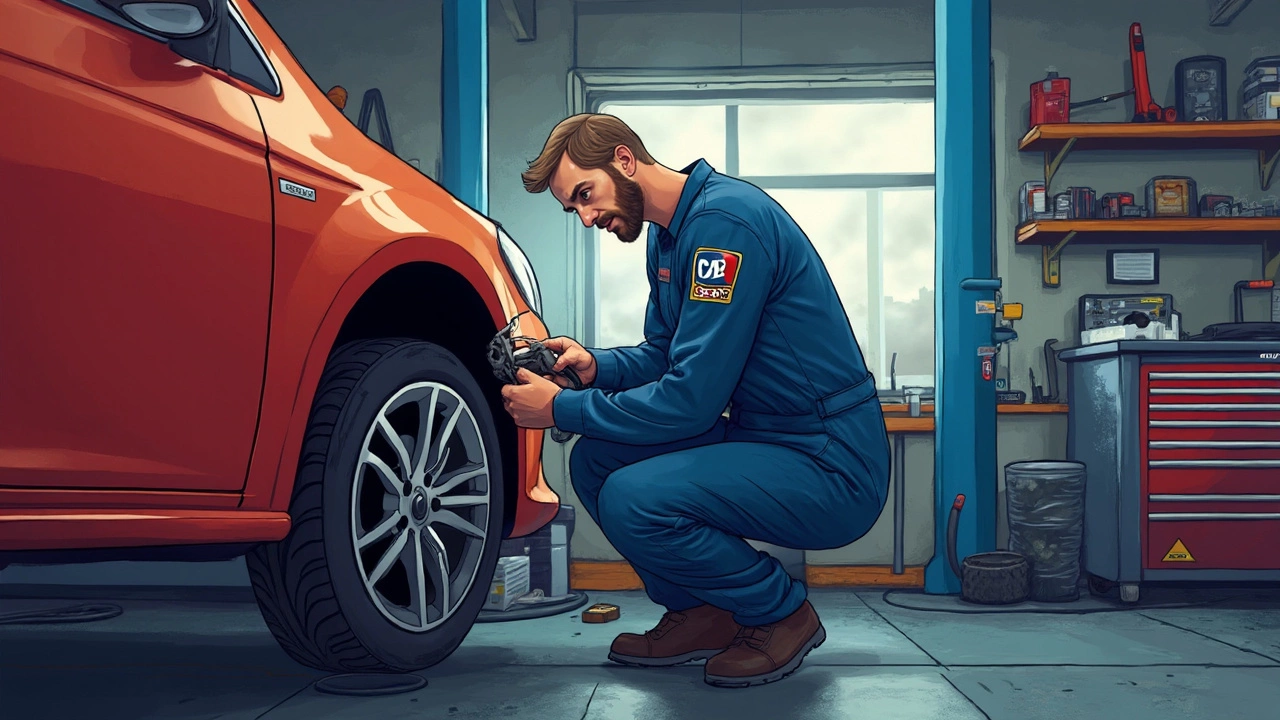
Brake Pad and Rotor Replacement Cost: What to Expect
Replacing brake pads and rotors is a crucial aspect of car maintenance that can influence your vehicle's performance and safety. The costs for this service vary depending on several factors including car model, type of parts used, and service provider. Understanding these elements can help plan your budget effectively and ensure you're not overspending. In this article, explore common price ranges, DIY tips, and what to consider when choosing a mechanic.
March 14 2025