Replace Brake Pads: When, Why, and How to Do It Right
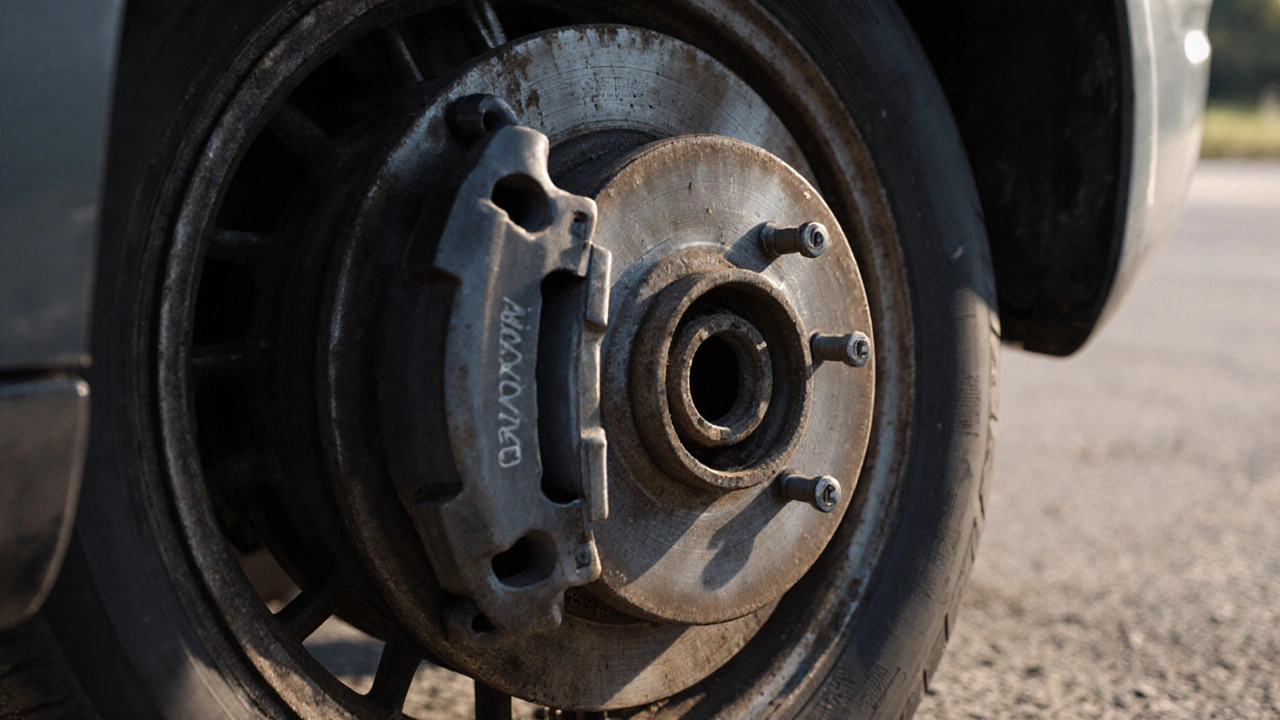
When you replace brake pads, you’re not just swapping out worn rubber—you’re keeping your whole braking system safe. A worn brake pad doesn’t just squeal or feel spongy; it can damage the rotors, the metal discs that the pads clamp against to stop your car, and even lead to brake failure. Many drivers think brake pads are the only part that wears out, but in reality, brake discs, also called rotors, wear down too—and they need to be checked every time you change pads. Ignoring them means you might be paying twice: once for new pads, then again for new discs because you didn’t catch the damage early.
How do you know if it’s time? Listen for a high-pitched screech—most pads have a metal tab that makes noise when they’re thin. Feel for vibrations when you brake; that’s often a sign the rotors, have become warped or uneven from heat and wear. If your car pulls to one side, or if the brake pedal goes closer to the floor than usual, you’re not just overdue—you’re at risk. In the UK, where wet roads and stop-start traffic are the norm, brake health isn’t optional. A 2023 AA report found that nearly 1 in 5 cars on UK roads had brake pads worn below legal limits, and most drivers didn’t realize it until their MOT failed.
Here’s the truth: you don’t always need new rotors when you replace brake pads. But you also shouldn’t assume they’re fine just because they look okay. A visual check isn’t enough. You need to measure thickness, check for grooves, and look for blue discoloration—that’s heat damage. Some shops push full replacements to make more money. Others skip the inspection to save time. The right approach? Get the pads replaced, have the rotors measured, and only replace them if they’re worn past the minimum safe thickness. It’s cheaper, safer, and smarter.
And if you’re thinking about doing it yourself, it’s doable—but only if you’ve got the right tools and a steady hand. You’ll need a jack, torque wrench, and brake cleaner. Never skip bleeding the brakes afterward. Air in the lines means spongy stops. Also, don’t reuse old hardware. New mounting clips and lubricant make a huge difference in how quiet and smooth your brakes feel. Most people forget this part, then wonder why their new pads are noisy after a week.
What you’ll find below isn’t just a list of articles. It’s a practical toolkit. From how to tell if your rotors need replacing to what happens when you delay a brake job, every post here is based on real UK driving conditions and real mechanic experience. No fluff. No guesswork. Just clear, step-by-step advice so you know exactly what to do—before your next brake warning light comes on.
How to Know When Brake Pads Need Replacing: Signs You Can't Ignore
Learn the real signs your brake pads need replacing - from squealing noises to longer stopping distances. Don't wait until it's too late. Get safe, affordable brake checks before damage costs more.
November 23 2025