Radiator Upgrade: When and How to Improve Your Car's Cooling System
When your car’s radiator, a key component in the engine cooling system that transfers heat from coolant to the air. Also known as a cooling radiator, it keeps your engine from overheating under normal driving and heavy loads. starts to fail, you’re not just dealing with a slow warm-up or a puddle under the car—you’re risking a total engine meltdown. A cooling system, the network of hoses, thermostat, water pump, and radiator that circulates coolant to regulate engine temperature isn’t just there to keep things running—it’s the reason your engine doesn’t turn into scrap metal after 20 minutes on the motorway. Most factory radiators are built for average use, not high temps, towing, or track days. That’s where a radiator upgrade, a higher-capacity or more efficient radiator designed to improve heat dissipation beyond stock levels makes sense.
Upgrading your radiator isn’t just about swapping in a bigger tank. It’s about matching the right design to your driving. If you’re hauling trailers, living in hot climates, or just push your car harder than average, the stock unit might be working too hard. Signs like frequent overheating, coolant loss without visible leaks, or a radiator that feels lukewarm while the engine gauge spikes are red flags. A better radiator can mean lower coolant temps, less stress on the water pump, and fewer chances of head gasket failure. Materials matter too—aluminum radiators with dual or triple rows handle heat better than old brass-and-copper ones. And don’t forget the fan: a high-flow electric fan often pairs best with an upgraded radiator, especially in stop-and-go traffic.
Many people wait until the radiator bursts before acting. But the best time to upgrade isn’t after you’re stranded on the side of the road. It’s when you notice your car struggling in summer, or when you’re already replacing other cooling parts like the thermostat or hoses. A radiator upgrade often goes hand-in-hand with checking the water pump, inspecting hoses for cracks, and making sure the coolant is the right type. You don’t need a race car to benefit from better cooling—just a car that matters to you.
Below, you’ll find real-world guides on spotting radiator failure, understanding how long these parts last, and what upgrades actually deliver. Whether you’re dealing with a 10-year-old saloon or a modified hatchback, the advice here cuts through the noise and gives you what you need to know before spending money or risking engine damage.
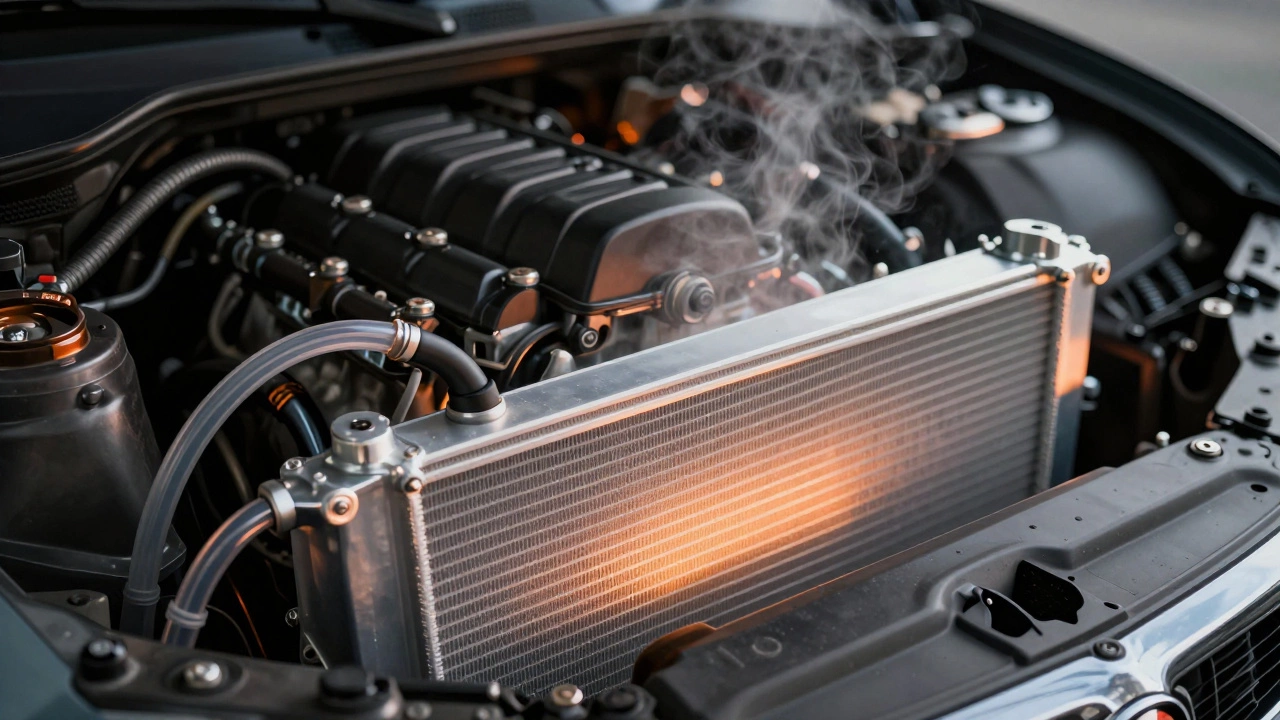
Does a New Radiator Improve Car Performance?
A new radiator won't boost your car's horsepower, but it can prevent overheating and let your engine perform at its full potential. Here's what actually changes when you replace a failing radiator.
December 28 2025
Upgrading Car Radiators: Is it Really Worth It?
Thinking about upgrading your car's radiator? Here's why it might be a smart move. We'll explore the benefits of improved cooling, potential cost-effectiveness, and enhanced performance. Whether you're a car enthusiast or just someone looking to extend your vehicle's life, understanding radiator upgrades can make a big difference. Let's delve into the key considerations.
February 21 2025