Radiator Lifespan: How Long Do Car Radiators Last and When to Replace Them
When your engine starts running hot, the radiator, a critical component that cools engine coolant by transferring heat to the air. Also known as engine cooler, it's one of the most overlooked parts in your car—until it fails. Most radiators last between 8 and 12 years, or around 100,000 to 150,000 miles, but that’s only if you treat them right. A radiator doesn’t just sit there quietly. It’s constantly working, cycling coolant, fighting rust, and handling pressure changes. If you ignore small leaks, skip coolant flushes, or let debris build up in front of it, you’re cutting its life short.
What kills a radiator? corrosion, the slow breakdown of metal from old or contaminated coolant. It eats through tanks and tubes from the inside. coolant leaks, often from cracked hoses, loose clamps, or worn gaskets let fluid escape, forcing the radiator to work harder until it overheats. And thermostats, the valves that control coolant flow, if stuck closed, turn your radiator into a pressure cooker. These aren’t random failures—they’re symptoms of neglect. You don’t need to replace your radiator every oil change, but you do need to check it every time you top up coolant. Look for rust stains under the car, a sweet smell when driving, or the temperature needle creeping into the red zone. These aren’t just warning lights—they’re emergency signals.
Most people wait until their car overheats on the motorway before they act. By then, the damage is done—warped heads, blown head gaskets, even a seized engine. Replacing a radiator early costs a few hundred pounds. Letting it fail costs thousands. The posts below show you exactly how to spot radiator trouble before it’s too late. You’ll learn how to test your radiator with simple tools, what common failure points look like, and how to avoid the mistakes that turn a cheap fix into a major repair. Whether you’re a weekend driver or a daily commuter, knowing your radiator’s limits keeps you on the road—and saves you money.
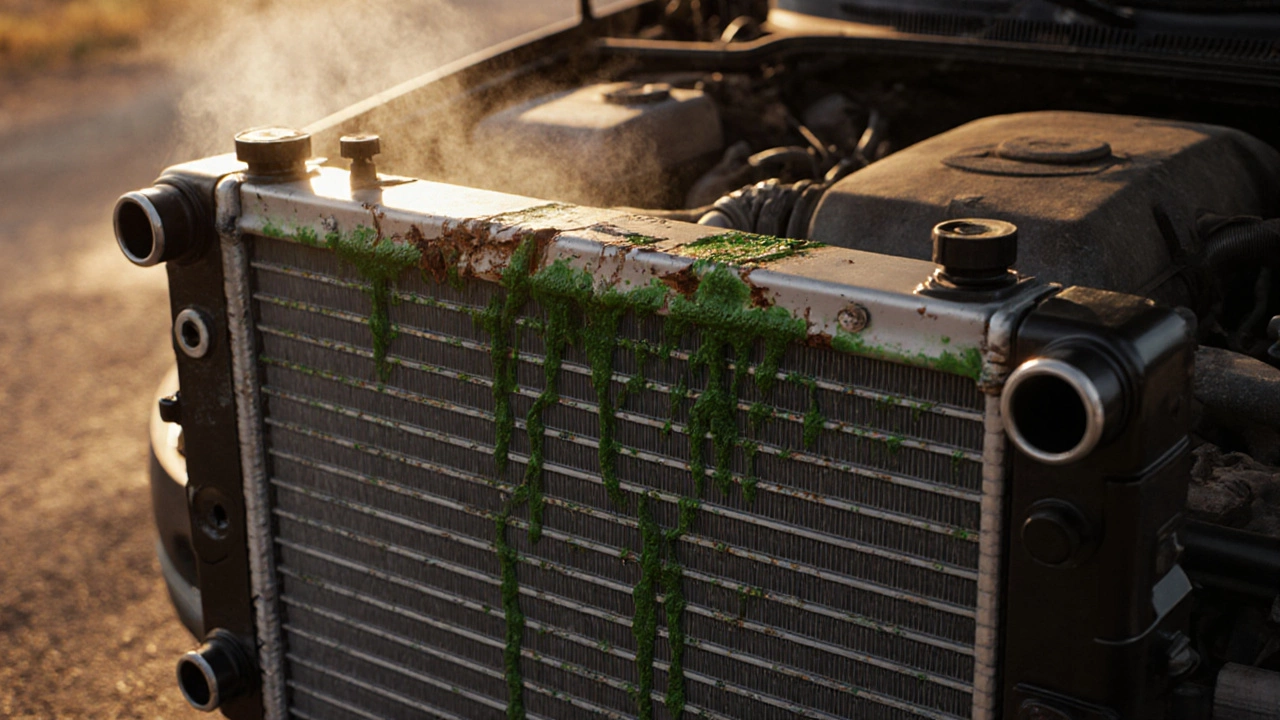
What Is the Life Expectancy of a Car Radiator?
Most car radiators last 8-12 years, but neglect can cut that in half. Learn the signs of failure, how to extend radiator life, and when to replace it before engine damage happens.
November 18 2025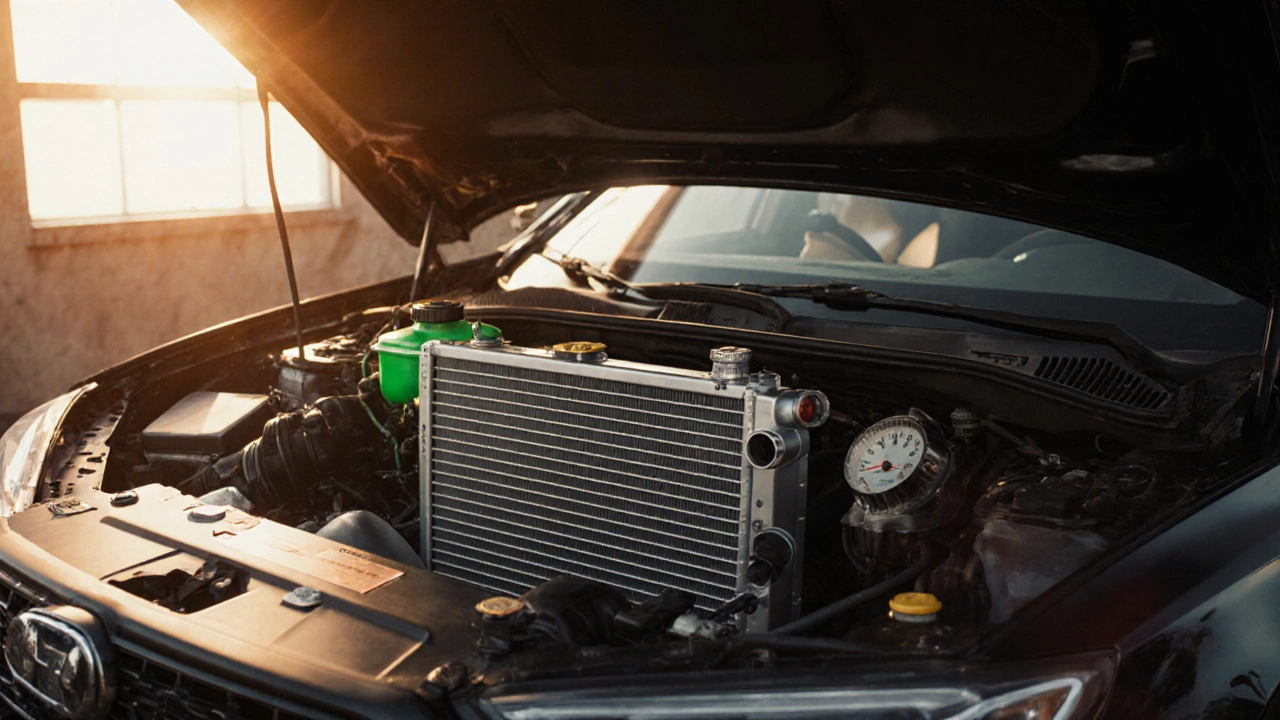
How Long Do Car Radiators Last? Expert Guide to Lifespan and Maintenance
Learn how long car radiators typically last, what affects their lifespan, and how to maintain them to avoid costly replacements.
October 19 2025
Car Radiator Lifespan: What You Need to Know
Car radiators are essential for preventing overheating, yet many drivers overlook them until problems arise. On average, car radiators last between 8 to 10 years, but their lifespan can vary significantly based on usage and maintenance. Regular checks for leaks, ensuring proper coolant levels, and avoiding excessive overheating can extend a radiator's life. By understanding common radiator issues and simple maintenance tips, you can avoid costly repairs and keep your car running smoothly. Let's explore what affects a radiator's life expectancy and practical ways to maximize it.
March 1 2025
Can a Car Radiator Truly Last 20 Years? Insights and Maintenance Tips
Car radiators are a critical component of the vehicle's cooling system, responsible for preventing engine overheating. With proper care and maintenance, a radiator can potentially last up to 20 years. It's essential to recognize signs of wear and the importance of routine check-ups to ensure the longevity of the radiator. By understanding the role of coolant quality, external conditions, and regular servicing, car owners can maximize the lifespan of their radiators. This article explores practical tips and insights into achieving such longevity.
January 17 2025