Polarized Air Filters: What They Are and How They Really Work
When you think of air filters in your car, you probably picture the one under the hood that keeps dirt out of the engine. But there’s another one—polarized air filters, a type of cabin air filter designed to capture fine particles using electrostatic charge. Also known as electrostatic cabin filters, these aren’t just mesh screens. They use static electricity to pull in tiny pollutants like pollen, smoke, and even some bacteria before they reach your lungs. This matters because most drivers spend hours a week in their cars, breathing in whatever’s floating in the outside air.
Unlike basic paper or foam filters, polarized air filters actively attract and hold onto smaller particles that regular filters miss. That’s why they’re often found in higher-end cars or offered as upgrades. But they’re not magic. They still get clogged. And if you don’t replace them, they stop working—and can even start blowing mold or trapped gunk back into your cabin. You might notice it when your AC smells musty, or when the airflow feels weaker, even on high. Some people think replacing the cabin filter is optional, but if you drive in cities, near farms, or during pollen season, it’s as important as an oil change.
These filters work hand-in-hand with your HVAC system, the vehicle’s heating, ventilation, and air conditioning setup. A dirty polarized filter forces the blower motor to work harder, which can lead to premature wear. It also reduces cooling efficiency, meaning your AC takes longer to make the cabin comfortable. And if you’ve ever wondered why your car still smells bad after a fresh filter change, it’s often because the ducts themselves are contaminated—something most people never check.
While polarized air filters are common in newer models, many older cars still use standard cabin filters. The good news? You can usually upgrade. Most aftermarket brands offer polarized versions that fit the same housing. Just make sure you match the size and airflow rating. Don’t assume all filters are created equal—some cheap ones are just colored foam with a marketing label. Look for ones that mention MERV ratings or electrostatic capture rates. And remember: even the best filter won’t help if you’re driving with the windows open in heavy traffic.
When it comes to replacement, don’t wait for the manual’s 15,000-mile mark if you’re in a dusty area or have allergies. Many drivers notice a difference after just 6 months. Signs your filter’s done? Reduced airflow, foggy windows even when the defroster’s on, or that stale odor you can’t shake. It’s not a big job to swap one out yourself—most sit behind the glovebox. And if you’ve ever replaced a spark plug or brake pad, you’ve got the skills.
What you’ll find below are real-world guides on how cabin air filters impact your car’s performance, health, and comfort. From how long they last to what happens when you skip replacements, these posts cut through the noise. You’ll learn how to spot a failing filter, choose the right type for your car, and avoid common mistakes that make the problem worse. Whether you’re dealing with seasonal allergies or just tired of your car smelling like a gym bag, the answers are here.
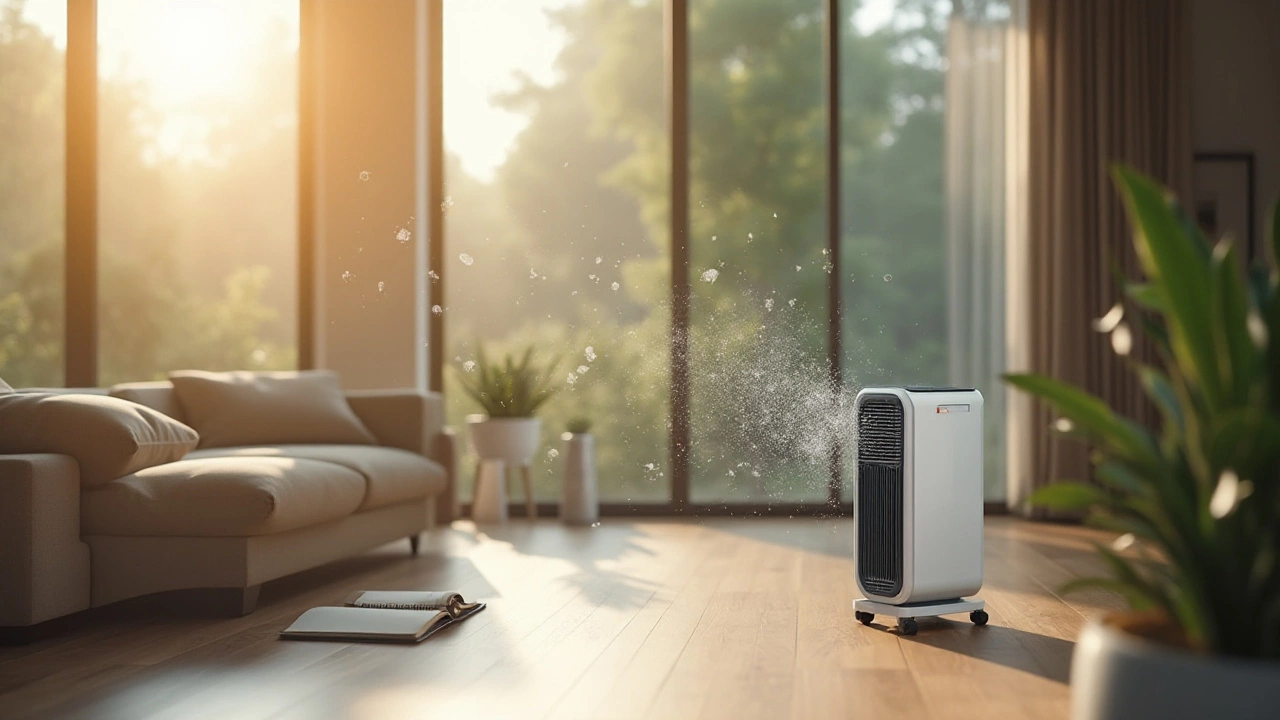
Polarized Air Filters: Are They Worth Your Investment?
Polarized air filters are gaining attention as a potential solution for improving indoor air quality. They work by using static electricity to attract and capture airborne particles. Despite their rising popularity, it's crucial to examine their effectiveness, cost, and maintenance needs. This article provides an insightful look into whether these air filters deserve a place in your home or office.
January 18 2025