Performance Clutch: What It Is, How It Works, and When You Need One
When you hear performance clutch, a heavy-duty clutch system built to handle higher torque and frequent hard shifts. Also known as upgraded clutch, it’s not just a stronger version of your stock clutch—it’s a complete system designed for drivers who push their cars harder, whether on track days, towing, or modified engines. Most factory clutches are made to last 60,000 to 100,000 miles under normal driving, but if you’ve added power, drive aggressively, or use your car for motorsport, that stock unit will slip, fade, or fail fast.
A flywheel, the heavy rotating disk that connects the engine to the clutch plays a big role here. Stock flywheels are heavy to smooth out engine pulses, but a performance setup often uses a lighter one to improve throttle response. That’s great for acceleration—but it means the clutch has to work harder to grab and hold power. Then there’s the pressure plate, the component that clamps the clutch disc against the flywheel. Performance models use stronger springs and better materials to handle higher loads without burning out. You can’t just swap the clutch disc alone and expect it to last. The whole assembly needs to match.
Driving habits make a huge difference. If you ride the clutch at traffic lights, launch hard from a stop, or shift without fully disengaging, even the best performance clutch will wear out faster. That’s why many people who upgrade their clutch also replace the release bearing, the part that pushes the clutch fingers to disengage the system and check the hydraulic lines. A worn bearing can cause grinding or incomplete disengagement, which kills a new clutch in weeks.
It’s not just about power either. If you drive a modified diesel or a tuned petrol car with 300+ horsepower, your clutch is under constant stress. Even if your car runs fine now, the clutch might be slipping under load without you noticing—until you’re on a hill and it doesn’t hold. That’s when you realize you didn’t just need a new clutch—you needed the right one.
What you’ll find below are real-world guides from UK drivers and mechanics who’ve been there. You’ll learn how to spot clutch wear before it leaves you stranded, what parts to replace alongside a performance clutch, how flywheel type affects drivability, and why some upgrades cost more but last longer. No fluff. Just what works—and what doesn’t.
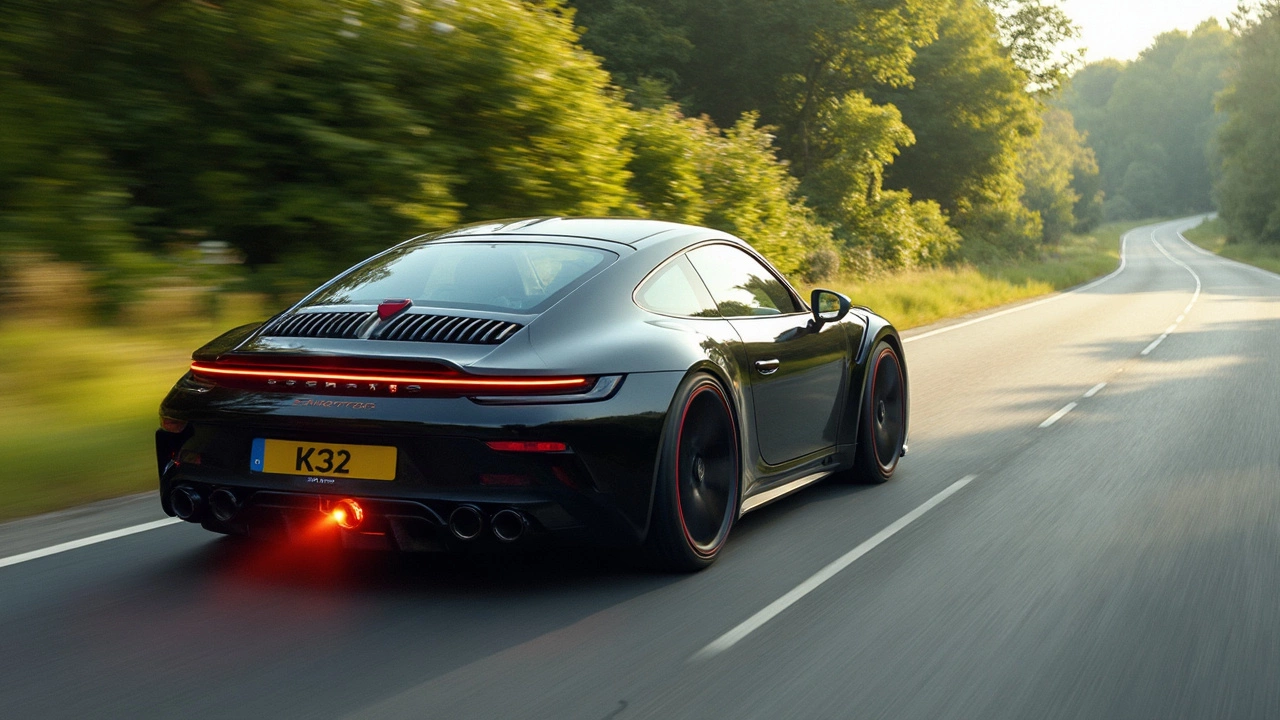
What's the Best Stage Clutch for Your Ride?
Choosing the right stage clutch can significantly impact your car's performance and your driving experience. A stage clutch system is tailored specifically to different needs, such as daily driving, high performance, or a combination of both. Understanding the differences in material, grip, and usability will help you make an informed decision for your vehicle. This article breaks down each type to help you choose the best fit based on your driving style and goals.
April 4 2025