Loud Exhaust Legal: UK Rules, Penalties, and What You Can Actually Drive With
When you hear a car with a loud exhaust, a modified vehicle exhaust system that produces significantly more noise than factory standards. Also known as aftermarket exhaust, it’s often chosen for performance or sound—but in the UK, it’s not just about style. It’s about the law. The Road Vehicles (Construction and Use) Regulations 1986 say your exhaust must not be ‘noisier than is reasonable for a vehicle of that type’. That’s it. No decibel numbers on signs. No official sound meters at every garage. But police and MOT testers know what’s wrong when they hear it.
So what makes an exhaust ‘too loud’? It’s not just volume—it’s tone, change, and context. If your exhaust was replaced with a straight-pipe, no muffler, or a cheap aftermarket system that sounds like a jet engine idling, you’re almost certainly breaking the law. Even if your car passed its last MOT, that doesn’t mean it’s legal on the road. MOT tests for leaks and emissions, not noise levels. A car can pass MOT and still be fined for a loud exhaust. Exhaust noise limits, the legal thresholds for vehicle sound output under UK regulations aren’t published as exact numbers, but the courts and DVSA use common sense: if it’s louder than a similar stock vehicle, it’s likely illegal. And if a police officer pulls you over because your exhaust is disturbing the peace, they don’t need a decibel meter—they just need to say it was unreasonable.
What happens if you get caught? You could get a £50 fixed penalty notice, but that’s just the start. If the case goes to court, fines can hit £1,000. Your vehicle could also be seized under Section 59 of the Police Reform Act if it’s deemed a public nuisance. And if you’re in an accident and your exhaust is found to be illegally loud, your insurance could be voided. That’s not a myth. That’s happened. Modified exhaust UK, any aftermarket or altered exhaust system that deviates from manufacturer specifications isn’t automatically illegal—but it’s a red flag. If you’re upgrading your exhaust, stick to systems labeled ‘road legal’ and approved to ECE R41 or equivalent. Brands like MagnaFlow, Akrapovič, and Milltek offer versions that balance sound and compliance. But even those can be too loud if they’re installed wrong or paired with a cat-delete.
Here’s the simple test: if you can hear your exhaust from 20 meters away while parked, or if your neighbors complain, or if your mates say ‘dude, that’s too loud’—you’re probably over the line. Most factory exhausts are designed to be quiet enough for residential streets and motorway cruising. Any system that changes that balance needs to be done right. And ‘right’ doesn’t mean ‘sounds cool.’ It means ‘meets the law.’
You’ll find real-world guides below on how to check your exhaust legally, what systems actually pass inspection, and how to fix a noisy setup without losing the sound you like. No fluff. No guesswork. Just what works on UK roads.
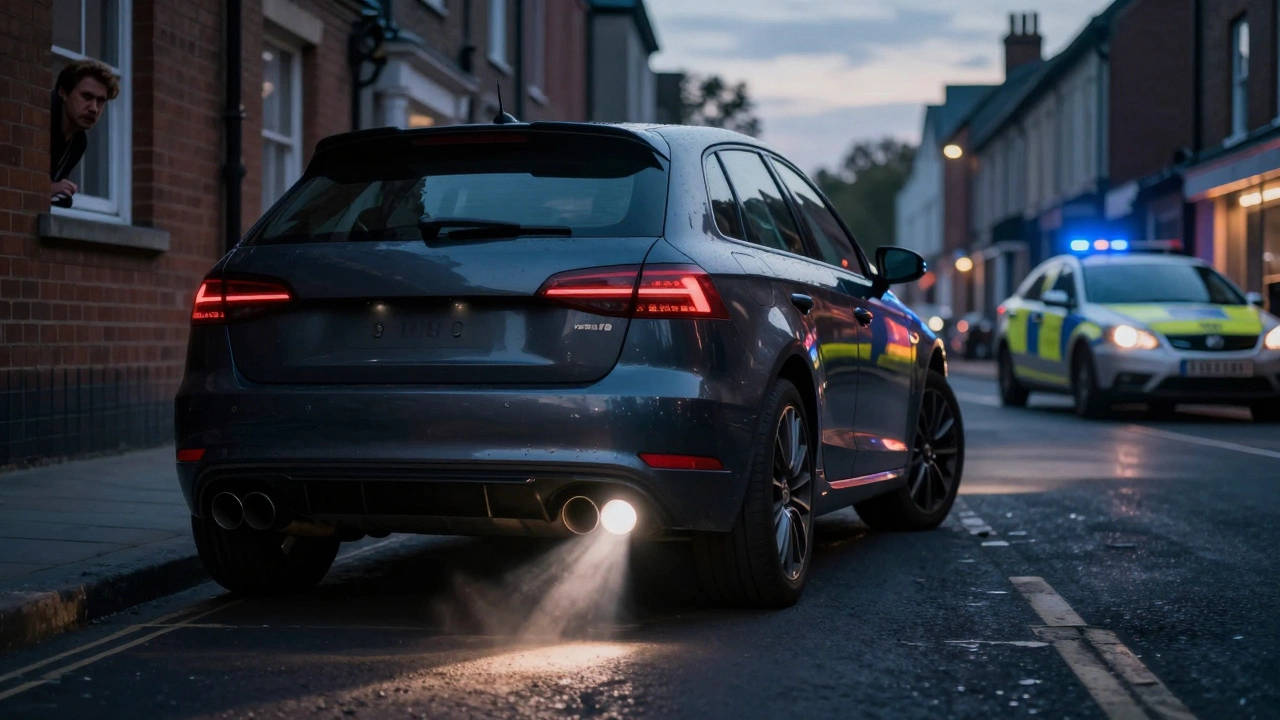
What Are the Disadvantages of Aftermarket Exhaust Systems?
Aftermarket exhausts sound great but come with real downsides: louder noise, warranty risks, worse fuel economy, legal issues, and lower resale value. Know the trade-offs before you upgrade.
December 1 2025