Fuel Filter: What It Does, When to Replace It, and How It Affects Your Engine
When your car sputters on the highway or struggles to start on a cold morning, the culprit isn’t always the battery or spark plugs. It could be your fuel filter, a small but critical component that traps dirt, rust, and debris before they reach your engine’s fuel injectors. Also known as a fuel strainer, it’s the last line of defense between dirty fuel and your engine’s delicate internals. Most drivers never think about it until their car acts up—and by then, it’s often too late.
The fuel system, the network that delivers fuel from tank to engine, including the pump, lines, injectors, and filter depends entirely on clean fuel. Even tiny particles can clog fuel injectors, which cost hundreds to replace. A dirty filter doesn’t just reduce power—it forces the fuel pump to work harder, leading to premature failure. And if you’re driving in dusty areas, near construction zones, or using lower-quality fuel, contamination builds up faster than you think. Most manufacturers recommend replacing the fuel filter every 20,000 to 40,000 miles, but real-world conditions often demand more frequent checks.
The engine performance, how efficiently your engine converts fuel into power suffers silently when the filter clogs. You won’t see a warning light. No check engine code pops up. But your car will feel sluggish, especially under load. Acceleration becomes hesitant. Fuel economy drops. These aren’t just "normal wear" symptoms—they’re red flags. A failing fuel filter doesn’t just hurt performance; it can cause misfires, stalling, and even complete engine shutdown.
Some people think they can skip the fuel filter replacement because their car "still runs fine." But that’s like waiting for a brake pad to wear through before fixing it. The damage is already happening inside. Fuel contamination doesn’t just sit there—it slowly eats away at injectors, sensors, and even the fuel pump itself. And once those parts go, the repair bill jumps from £50 to over £500.
What you’ll find below are real, practical guides from UK drivers and mechanics who’ve dealt with this exact problem. You’ll learn how to spot a failing fuel filter before your car leaves you stranded, what signs to watch for (like rough idle or sudden power loss), and why replacing it isn’t just maintenance—it’s insurance. You’ll also see how fuel quality, driving habits, and even the season affect how fast your filter clogs. No fluff. No theory. Just what works on UK roads, with real results.
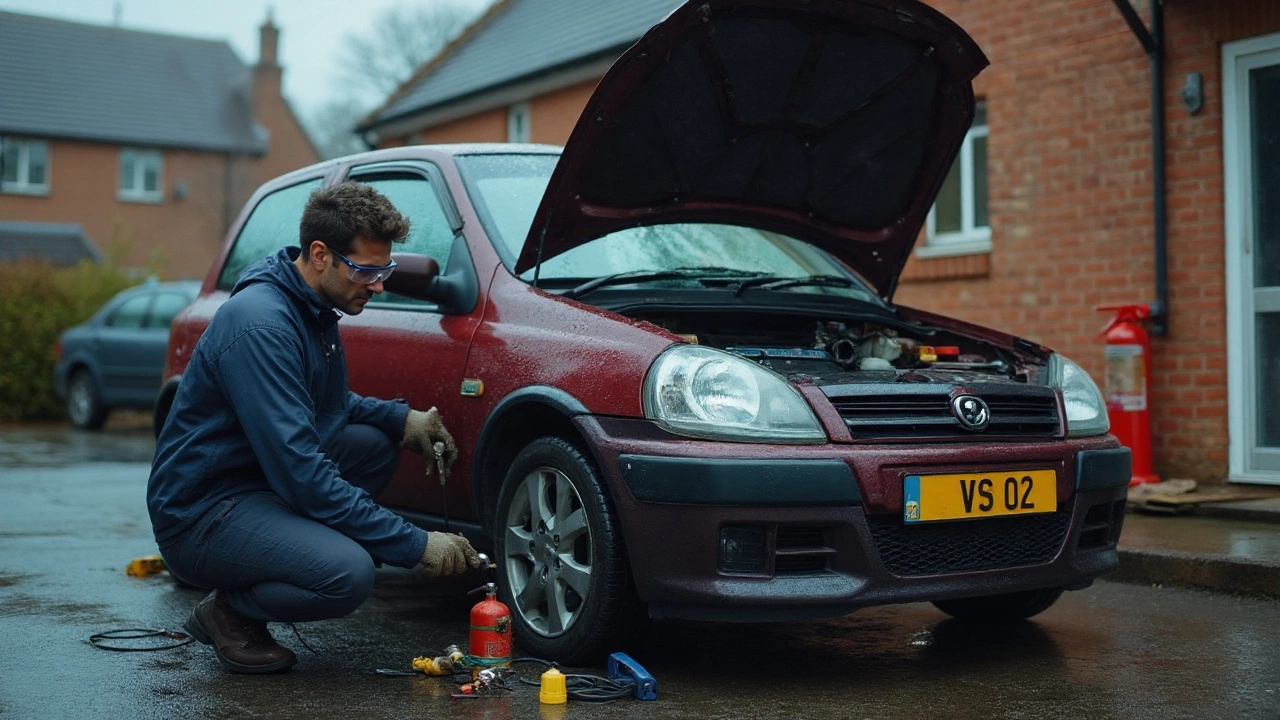
How to Check a Fuel Pump: Step-by-Step Diagnosis, Symptoms, and Tests
DIY guide to check a fuel pump: symptoms, quick tests, fuel pressure readings, relay checks, and pro tips to confirm the fault safely at home.
September 16 2025