Fuel Economy: How Car Parts Affect Your Mileage and What to Check
When your car starts using more fuel than it used to, most people blame the price of gas or their driving style. But often, the real culprit is something under the hood. fuel economy, how efficiently your car converts fuel into distance. Also known as mileage, it’s not just about the tank—it’s about how well your engine and its parts work together. A healthy car should deliver consistent miles per gallon. If that number drops, it’s not magic. It’s mechanics.
One of the biggest silent killers of fuel economy is spark plugs, the tiny components that ignite the air-fuel mix in your engine. Worn or dirty spark plugs don’t fire right. That means incomplete combustion. You’re burning fuel but not getting the power you paid for. It’s like trying to run a race with one shoe tied. You’ll get there, but you’ll be out of breath—and out of gas. Then there’s engine oil, the lifeblood that keeps your engine parts moving smoothly. Old or wrong oil increases friction. More friction means the engine works harder. Harder work means more fuel burned. And if your radiator, the system that keeps your engine from overheating. is clogged or leaking, your engine runs hot. A hot engine runs inefficiently. It’s like running a computer that won’t cool down—it slows down, stutters, and drains power faster.
Don’t forget the exhaust system, the path that carries spent gases out of your engine. A blockage, leak, or poorly designed upgrade can create backpressure. That’s like trying to breathe through a straw while lifting weights. Your engine fights to push exhaust out, and that takes extra fuel. These parts don’t work in isolation. They’re all connected. A bad spark plug affects combustion. Bad combustion heats up the engine. A hot engine strains the radiator. A clogged radiator forces the engine to work harder. And a restricted exhaust makes it all worse. It’s a chain reaction—and it’s stealing your money at the pump.
You don’t need to be a mechanic to spot the signs. Rough idle? Hard starts? Higher fuel bills without changing your route? These aren’t normal. They’re warnings. The posts below show you exactly which parts to check, when to replace them, and how even small fixes can bring your fuel economy back. No guesswork. No myths. Just real fixes for real problems.
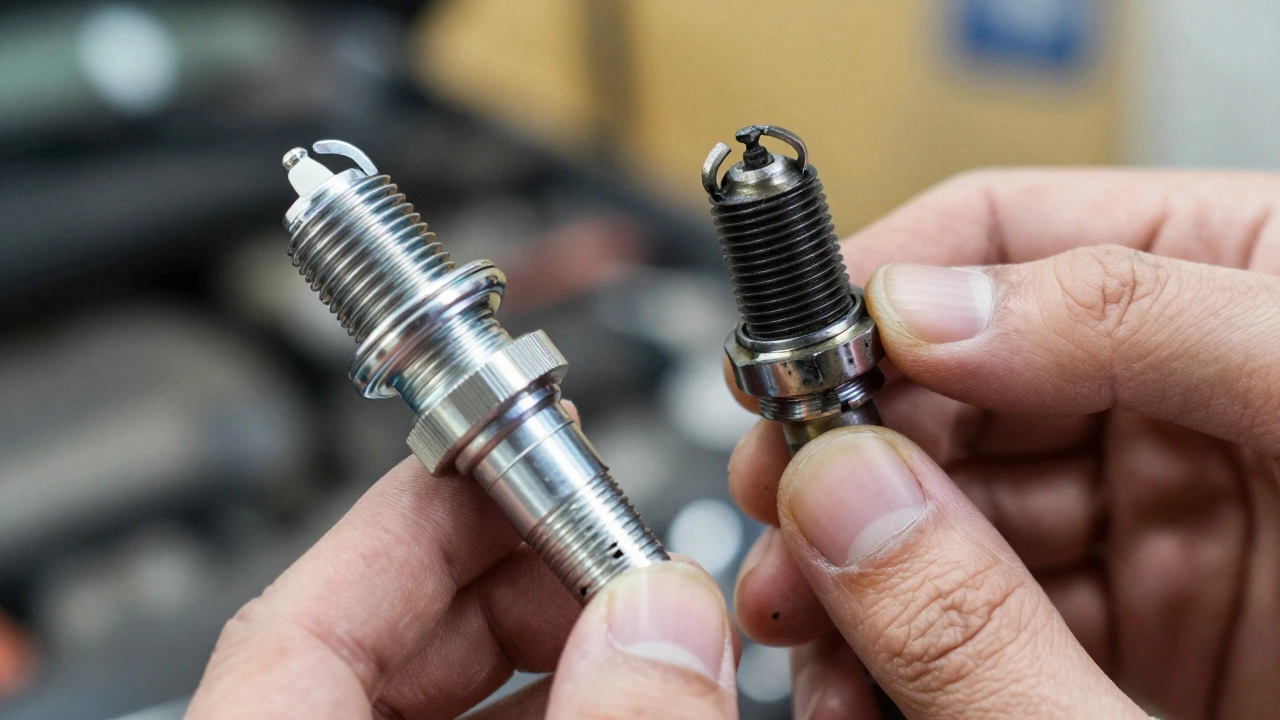
What to Expect After Changing Spark Plugs: Performance, Sounds, and Warning Signs
Discover what to expect after changing spark plugs, including improved performance, smoother idling, and potential issues to watch for.
July 9 2026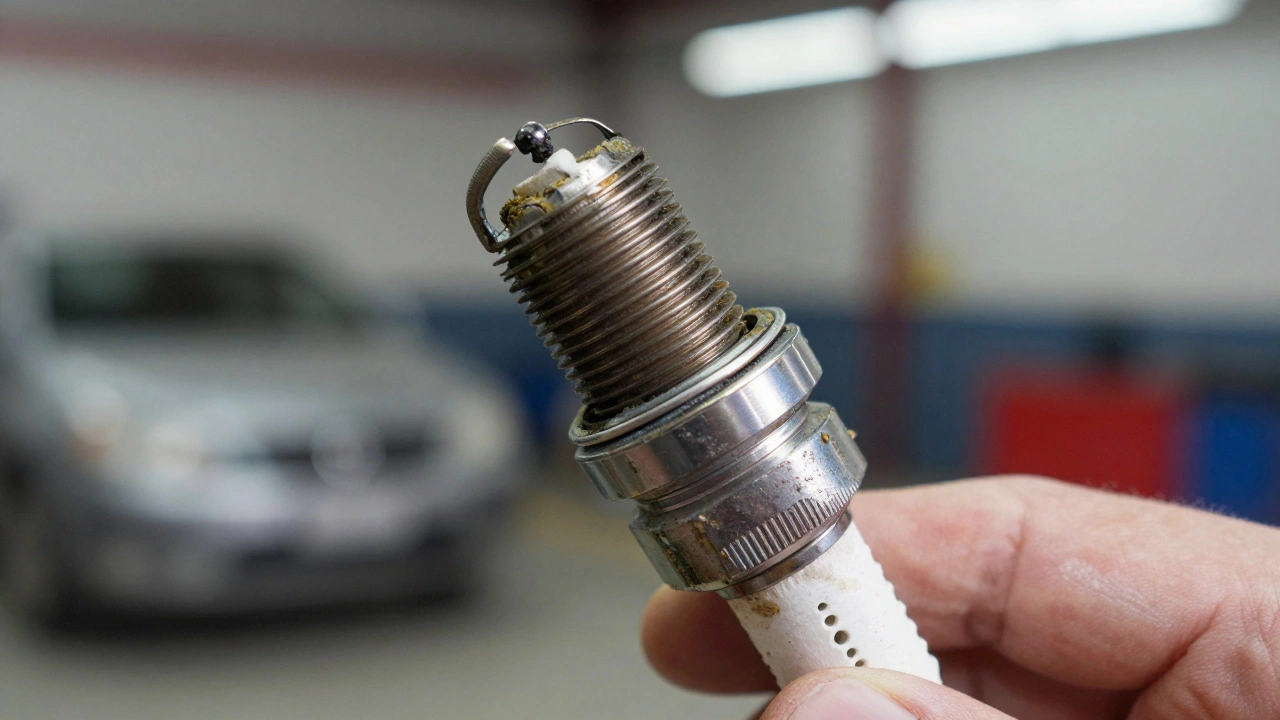
What Happens to Your Engine When Spark Plugs Go Bad?
Discover how bad spark plugs cause engine misfires, poor fuel economy, and potential catalytic converter damage. Learn symptoms, lifespan tips, and when to replace them.
June 20 2026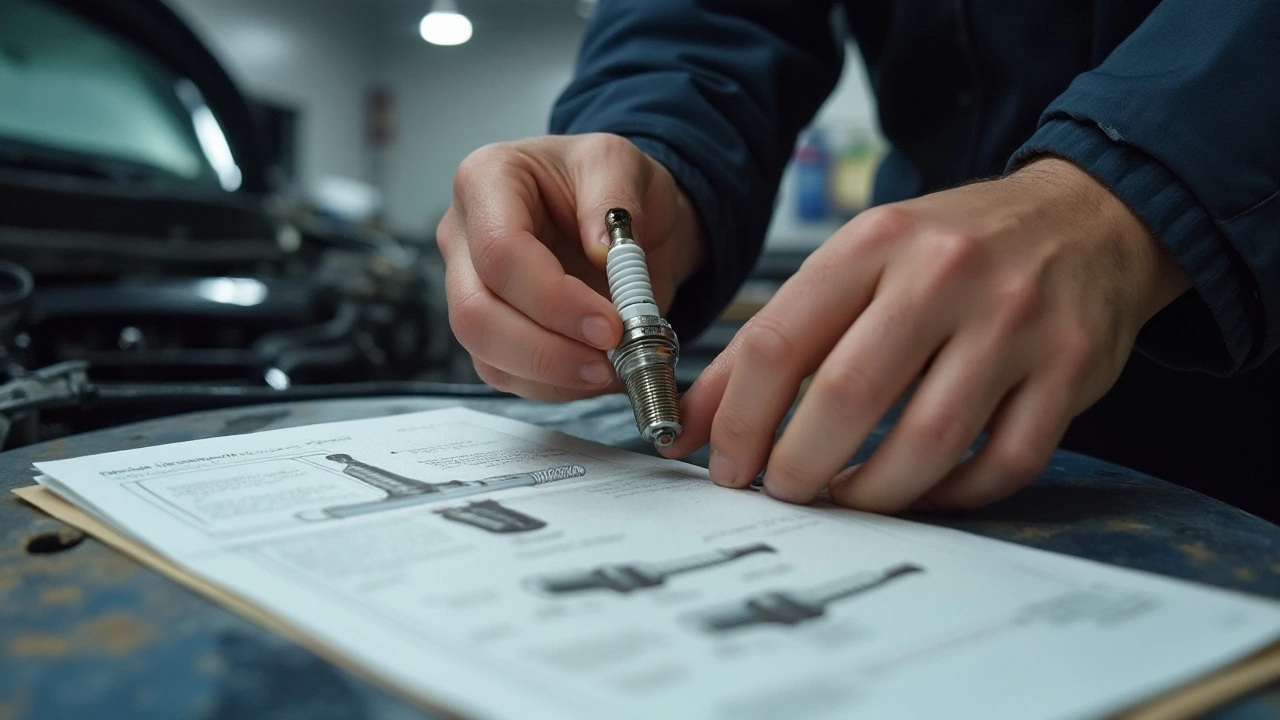
How Spark Plugs Affect Your Vehicle's Fuel Economy
This article delves into how spark plugs can influence your car's fuel efficiency. It explains the mechanism behind spark plugs and their connection to the combustion process, sheds light on symptoms of worn-out spark plugs, and offers practical tips for maintenance. Understanding these elements could lead to more informed decisions about car care, potentially saving money on fuel costs. The discussion provides insights into the economic and environmental advantages of maintaining healthy spark plugs.
January 9 2025