Engine Damage from Old Oil: Signs, Causes, and How to Prevent It
When engine oil turns thick, dark, and gunky, it’s not just dirty—it’s engine damage from old oil, the gradual destruction of internal engine parts due to degraded lubrication. Also known as oil starvation, this isn’t a myth—it’s a mechanical reality that kills engines every day. Your engine isn’t just running on gas; it’s running on oil. That thin layer between metal parts keeps everything from grinding to a halt. When oil breaks down, it loses its ability to cool, clean, and protect. What starts as a slight loss in performance turns into seized pistons, worn bearings, and a $5,000 engine replacement.
That’s why engine oil degradation, the chemical breakdown of oil over time due to heat, contamination, and oxidation is so dangerous. Even if you don’t drive much, oil still breaks down. Moisture builds up. Dirt gets in. Additives wear out. A car sitting for months with old oil is just as at risk as one driven hard every day. And engine oil lifespan, how long oil remains effective before it loses protective properties isn’t just about mileage—it’s about time, temperature, and driving habits. Synthetic oil lasts longer, sure, but it doesn’t last forever. The clock starts ticking the moment you fill it.
What does this look like in real life? A rough idle that won’t go away. A check engine light that flashes without clear codes. Oil that looks like tar on the dipstick. Engine knocking that gets louder under load. These aren’t random glitches—they’re red flags from your engine screaming for help. And if you’ve ever wondered why some cars die suddenly with no warning, the answer is almost always old oil. It doesn’t always leak. It doesn’t always smell burnt. It just stops doing its job, quietly and completely.
Fixing this isn’t about changing oil every 3,000 miles like your grandpa said. It’s about understanding your car’s real needs. If you drive short trips in cold weather, your oil collects water and sludge faster. If you tow heavy loads, heat cooks the oil faster. If you skip oil changes because "it still looks okay," you’re gambling with your engine’s life. The truth? You don’t need to guess. Check the oil regularly. Look at the color. Smell it. Feel it. And if it’s been over a year or 7,500 miles since your last change, don’t wait for the light to come on—change it.
What follows are real stories from car owners who ignored the signs, and the guides that helped others catch it in time. You’ll find clear breakdowns of how oil fails, what happens inside your engine when it does, and how to avoid the same fate. No fluff. No marketing. Just what you need to know to keep your engine alive.
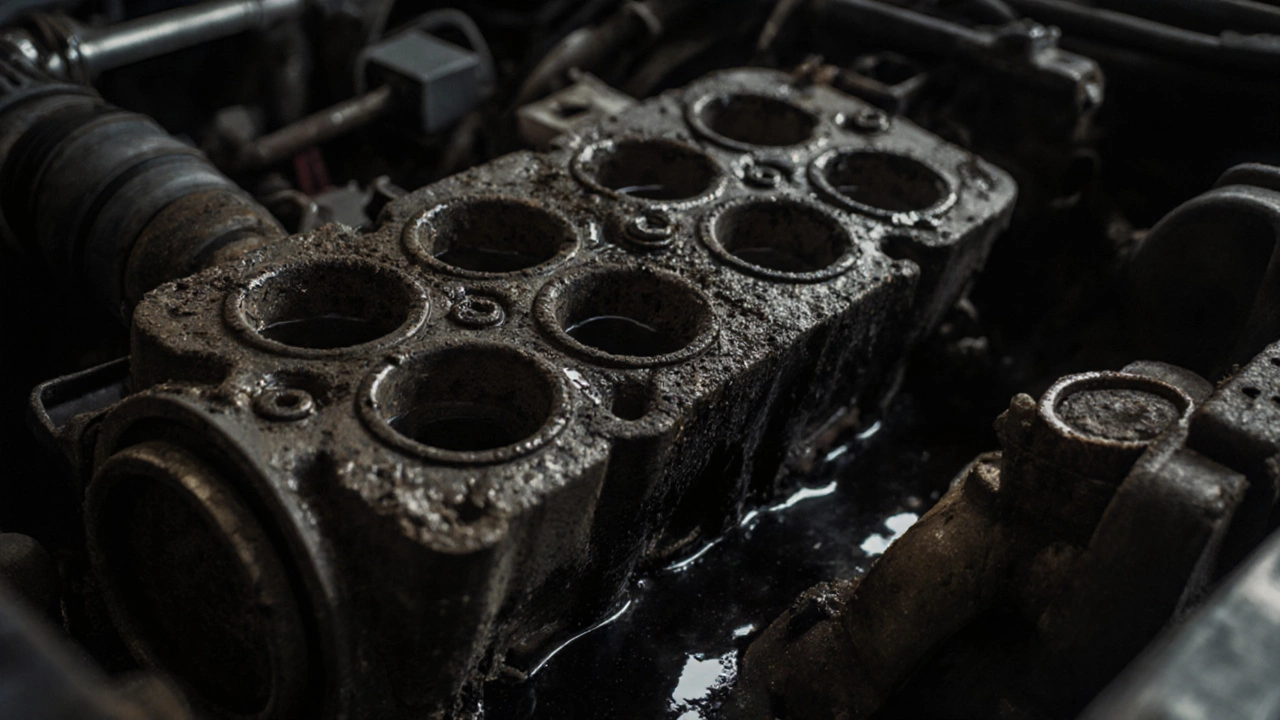
What Happens if You Go Over 5000 Miles Between Oil Changes?
Going over 5,000 miles between oil changes can cause sludge buildup, engine wear, and even total engine failure. Learn what really happens to your engine-and how to avoid costly repairs.
November 8 2025