Electric Water Pump: Signs of Failure, Lifespan, and What to Replace
When your car’s electric water pump, a motor-driven component that circulates coolant through the engine to prevent overheating. Also known as a coolant pump, it’s become standard in modern cars because it works independently of the engine’s RPM, giving better temperature control. Unlike older belt-driven pumps, electric ones can keep cooling even when the engine is off—like after a hard drive or when idling in traffic. But when it dies, your engine can overheat in minutes—sometimes before the dashboard even warns you.
Most electric water pumps, reliable for 80,000 to 120,000 miles, but often fail earlier due to coolant contamination or electrical issues. You won’t hear a loud noise like a failing belt-driven pump. Instead, watch for subtle signs: rising temperature gauge, coolant leaks near the pump housing, or the heater blowing cold air even when the engine is warm. If your car overheats on short drives but cools down when parked, that’s a classic red flag. Many drivers mistake this for a bad thermostat—but if the thermostat checks out, the coolant pump, the component that pushes coolant through the radiator and engine block. is likely the culprit.
When you replace the electric water pump, don’t just swap the pump and call it done. Always check the radiator, the heat exchanger that cools the coolant before it returns to the engine. for cracks or clogs. A failing radiator puts extra stress on the pump. Also inspect the car cooling system, the full network of hoses, thermostat, sensors, and coolant that keeps the engine at the right temperature. for old or dirty coolant. Contaminated fluid eats away at pump seals and bearings. And while you’re under the hood, test the electrical connections—the pump runs on a signal from the ECU, so a bad fuse or sensor can make it seem broken when it’s just not getting power.
Replacing an electric water pump isn’t always a simple DIY job. On some models, you need to remove the timing cover or intake manifold just to reach it. That’s why many mechanics recommend replacing the thermostat and coolant hoses at the same time—saving labor costs and preventing another failure soon after. And if your car’s over 100,000 miles, consider upgrading to a higher-quality aftermarket pump. Cheap replacements often fail within a year.
You’ll find real-world stories below—drivers who ignored early signs, what happened when they did, and how others caught it in time. Some posts show how to test the pump with a multimeter. Others walk through coolant flushes that saved a failing system. There’s even a guide on how overheating from a bad pump can silently damage your engine block. This isn’t theory. These are fixes people actually used in the UK, with real cars, real miles, and real consequences.
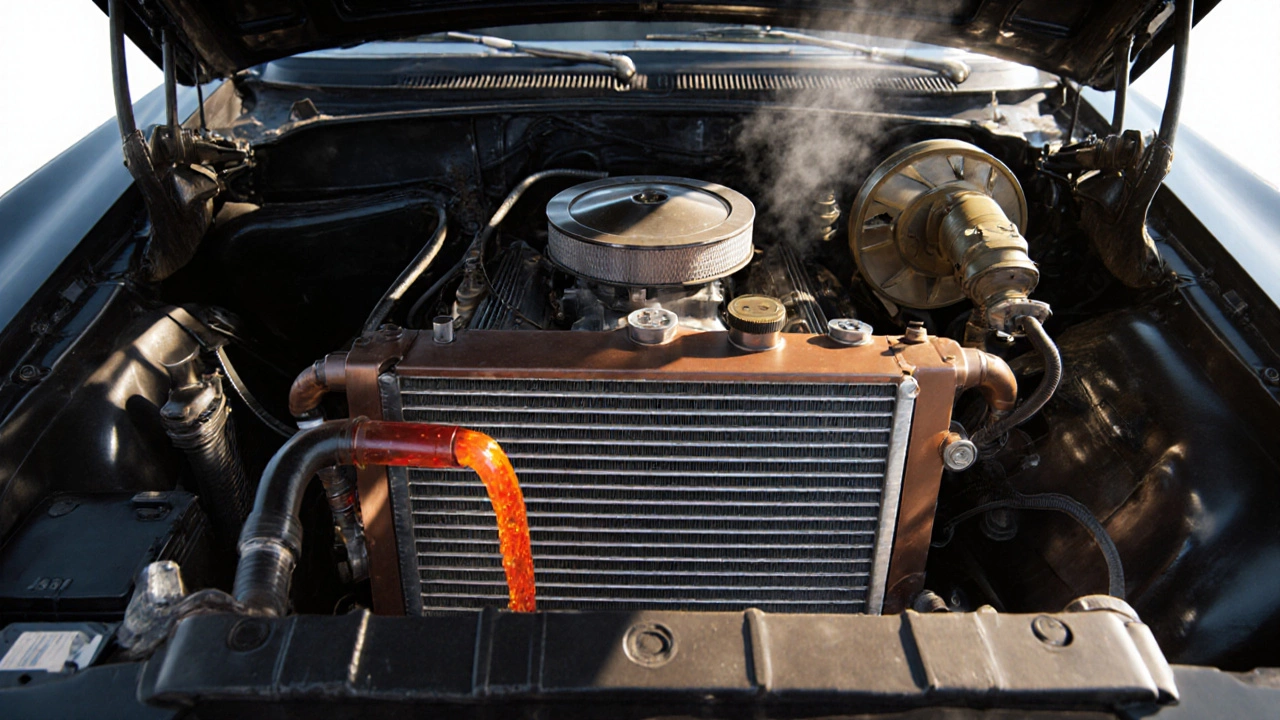
Do Modern Cars Still Use Radiators?
Explore why most cars still use radiators, how electric pumps and fans have changed cooling, and what EVs need to keep cool. Get maintenance tips and a clear comparison.
October 17 2025