Cooling System: What You Need to Know About Car Radiators and Engine Cooling
When your engine runs, it gets hot—really hot. Without a working cooling system, a network of parts designed to regulate engine temperature and prevent overheating. Also known as the engine cooling system, it’s what keeps your car from turning into a paperweight on the side of the road. It’s not just about the radiator. It’s the radiator, the coolant, the water pump, the thermostat, the fan, and even the hoses—all working together to pull heat away from the engine and dump it into the air.
The car radiator, a heat exchanger that transfers engine heat to the surrounding air. Also known as engine radiator, it’s the most visible part of the cooling system, but it’s only as good as the coolant flowing through it. Old or dirty coolant can turn into sludge and clog passages. A broken thermostat can trap heat inside the engine. A failing water pump won’t move the fluid. And if your fan doesn’t spin when it should, you’re one uphill climb away from a melted engine. Most radiators last 8 to 12 years, but if you’re driving in stop-and-go traffic, towing heavy loads, or ignoring leaks, that number can drop to half.
People think overheating is sudden. It’s not. It’s a slow leak, a faint smell of sweet steam, a temperature gauge that creeps up just a little more each week. You might not hear it. You might not see it. But your engine knows. And if you wait until the warning light flashes, you’re already in damage mode. Replacing a radiator isn’t cheap, but it’s cheaper than replacing an engine. Checking coolant levels every few weeks, inspecting hoses for cracks, and replacing the thermostat every 60,000 miles? Those are the small things that keep you on the road.
Electric water pumps, dual fans, and hybrid cooling systems are common now, but the core idea hasn’t changed: keep the engine cool, or it breaks. Whether you drive a daily commuter, a high-mileage SUV, or a weekend tuner, the cooling system is the silent hero keeping everything running. Below, you’ll find real-world guides on spotting radiator failure, understanding coolant lifespan, knowing when to replace parts before they fail, and why some fixes cost less than others. No fluff. Just what actually matters for your car.
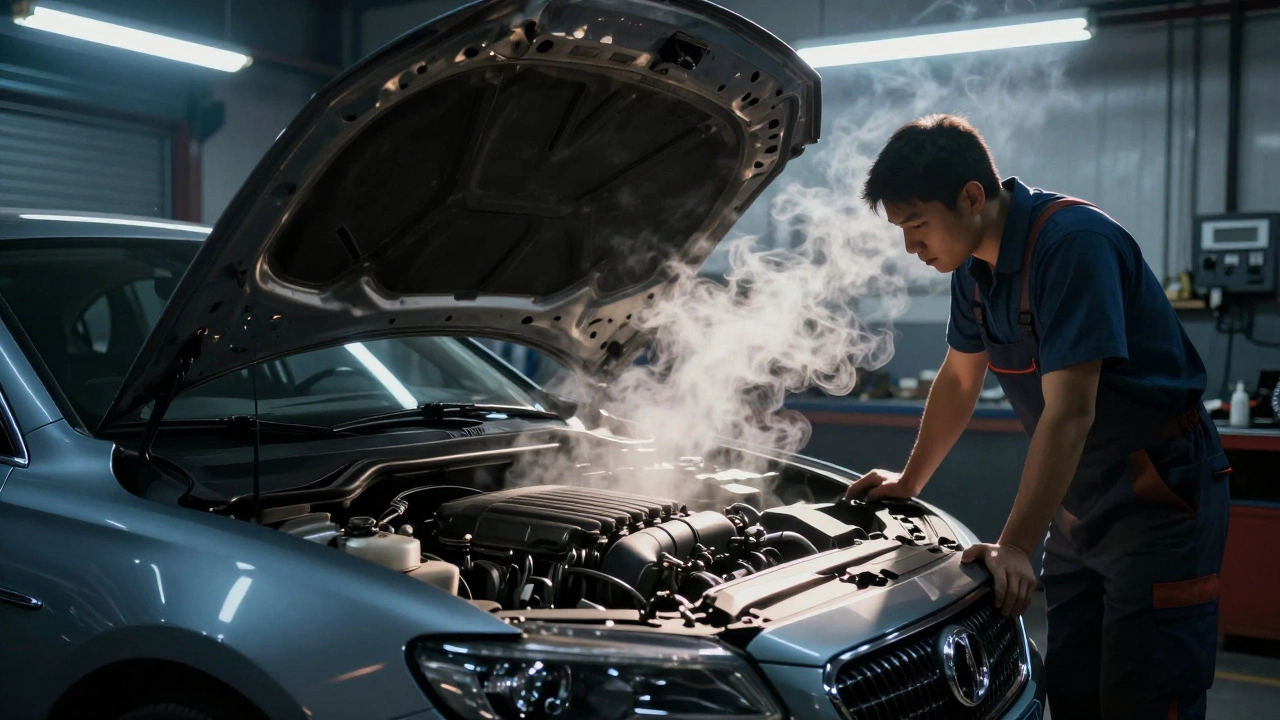
Repair vs Replace Radiator: Which Option Saves Money?
Discover whether repairing or replacing your car radiator offers better value. Understand the hidden costs, labor implications, and long-term reliability factors in this detailed 2026 guide.
March 30 2026
How to Know When to Replace Your Car Radiator: Signs, Symptoms & Tips
Learn how to spot if your car radiator needs replacing. Discover common signs, symptoms, tips, and facts that save you time, money, and stress.
June 28 2025
Understanding Common Causes of Car Radiator Failures
Car radiators are crucial components of a vehicle's cooling system, responsible for maintaining optimal engine temperature. Over time, various factors such as corrosion, leaks, and blockages can lead to radiator failures. Recognizing the warning signs of a failing radiator, like overheating and fluid loss, is important for timely repairs. Regular maintenance practices, including flushing and inspections, help prolong radiator life. Understanding these aspects not only ensures a smoother ride but also prevents costly repairs.
January 31 2025
Can a Car Radiator Truly Last 20 Years? Insights and Maintenance Tips
Car radiators are a critical component of the vehicle's cooling system, responsible for preventing engine overheating. With proper care and maintenance, a radiator can potentially last up to 20 years. It's essential to recognize signs of wear and the importance of routine check-ups to ensure the longevity of the radiator. By understanding the role of coolant quality, external conditions, and regular servicing, car owners can maximize the lifespan of their radiators. This article explores practical tips and insights into achieving such longevity.
January 17 2025