Change Spark Plugs: When, Why, and How to Do It Right
When you change spark plugs, the small but critical components that ignite fuel in your engine’s cylinders. Also known as ignition plugs, they’re one of the most overlooked parts in routine car care—until your engine starts misfiring, sputtering, or refusing to start. Most manufacturers say spark plugs last 30,000 to 100,000 miles, but real-world driving habits often shorten that. If you’re stuck in stop-and-go traffic, haul heavy loads, or rarely let your engine warm up fully, your plugs wear out faster than the manual suggests.
When spark plugs fail, your engine doesn’t just lose power—it starts wasting fuel, spitting out more emissions, and straining other parts. A weak spark can cause engine misfire, a condition where one or more cylinders fail to ignite properly, which puts extra stress on the catalytic converter and oxygen sensors. Over time, that can lead to expensive repairs you could’ve avoided with a simple plug swap. You might not notice it at first, but a rough idle, hesitation when accelerating, or a check engine light with a P0300 code are clear signs your ignition system, the network of wires, coils, and plugs that deliver the spark is struggling.
Changing spark plugs isn’t magic, but it’s not always easy either. It depends on your car’s engine layout. Some engines make it simple—pop the coil off, pull the plug, and slide in the new one. Others hide plugs deep under intake manifolds or require removing parts just to reach them. That’s why knowing your exact model matters. And don’t just grab the cheapest plugs. The wrong type can cause pre-ignition, overheating, or poor fuel economy. Always check your owner’s manual for the correct heat range, thread size, and gap setting. If you’re unsure, look up your car’s make, model, and year online—most auto parts stores have reliable cross-reference tools.
There’s no need to wait until your car won’t start. Watch for the subtle clues: lower fuel mileage, harder cold starts, or a slight loss of acceleration. These aren’t emergencies, but they’re your engine asking for help. Replacing spark plugs before they fail keeps your car running smoothly, saves money on fuel, and prevents damage to more expensive parts. Below, you’ll find real-world guides from UK drivers and mechanics who’ve been there—covering how to spot bad plugs, what tools you really need, and how to avoid common mistakes that turn a simple job into a headache.
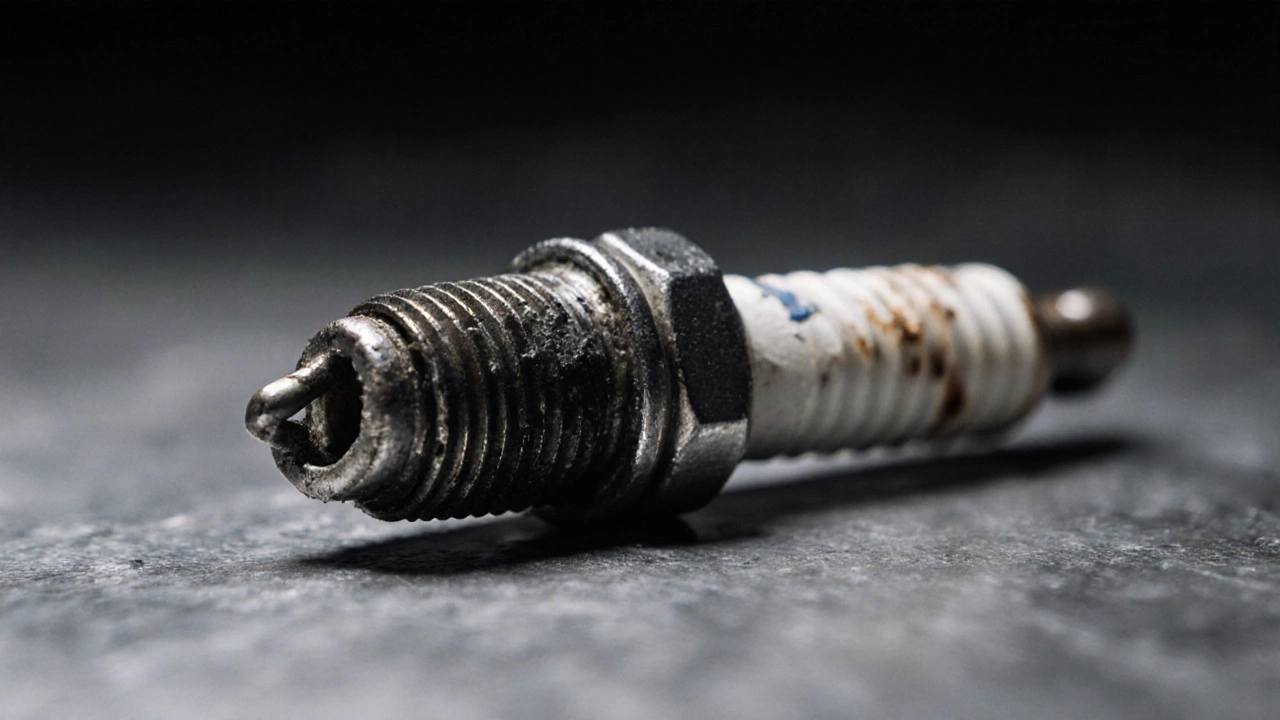
How Do I Know If My Spark Plugs Need Changing? Signs You Can't Ignore
Learn the clear signs your spark plugs need replacing-rough idle, poor fuel economy, hard starts, and more. Don't wait for breakdowns; fix them before they cost you more.
November 20 2025
Should I Change Spark Plugs If Nothing Is Wrong? The Real Truth About Preventive Spark Plug Replacement
Even if your car runs fine, worn spark plugs silently hurt fuel economy and risk costly engine damage. Learn when and why to replace them before they fail.
November 6 2025