Car Wheels: What You Need to Know About Size, Wear, and Safety
When you think about your car’s performance, you might focus on the engine or brakes—but none of it matters if your car wheels, the circular components that connect your vehicle to the road and support its weight while allowing movement. Also known as wheels and tires, they’re the only part of your car that actually touches the road. Get them wrong, and everything else suffers—handling, fuel economy, braking, even suspension life. A worn or misaligned wheel doesn’t just feel funny—it’s dangerous. In the UK, where roads vary from wet motorways to icy country lanes, your wheels are your first and most critical line of safety.
Car wheels aren’t just one part. They include the rim, the metal frame that holds the tire, the tire, the rubber contact patch with the road, and the internal components like valves and wheel bearings. These parts work together. A bent rim from a pothole can throw off wheel balance, how evenly weight is distributed around the wheel, causing vibrations you feel in the steering wheel. Poor wheel alignment, the angle at which wheels point relative to the road and each other leads to uneven tire wear, how the tread wears down over time—and you might not notice until it’s too late. A tire worn down to the legal limit of 1.6mm isn’t just illegal—it’s a slip hazard in rain or snow.
Many drivers wait until a tire goes flat or the car pulls to one side before checking their wheels. But the best approach is regular, simple checks. Look for cracks in the sidewall, bulges, or nails stuck in the tread. Feel for uneven wear by running your hand across the tire surface. If one side is smoother than the other, your alignment’s off. If the steering vibrates above 50 mph, your wheels are probably out of balance. And don’t forget the spare—how old is it? Rubber degrades even if it’s never used. Most experts say a spare should be replaced after 6–10 years, no matter the tread.
Replacing wheels isn’t just about buying new tires. It’s about matching the right size, load rating, and speed rating for your car. Putting wider tires on without adjusting suspension or alignment can damage your fenders or brakes. Using tires with the wrong load index might cause blowouts under heavy loads. And don’t assume all-season tires are enough for UK winters—many drivers switch to winter tires for better grip on wet, icy roads. It’s not a luxury. It’s a smart move.
What you’ll find below are real-world guides from UK mechanics and drivers who’ve been there. Learn how to spot when your wheels are failing before they leave you stranded. Find out if you need new rims or just new tires. Understand why your steering shakes after a tire change. And see what happens when you ignore wheel wear for too long. These aren’t theory pieces. They’re fixes, checks, and warnings from people who’ve seen the damage firsthand.
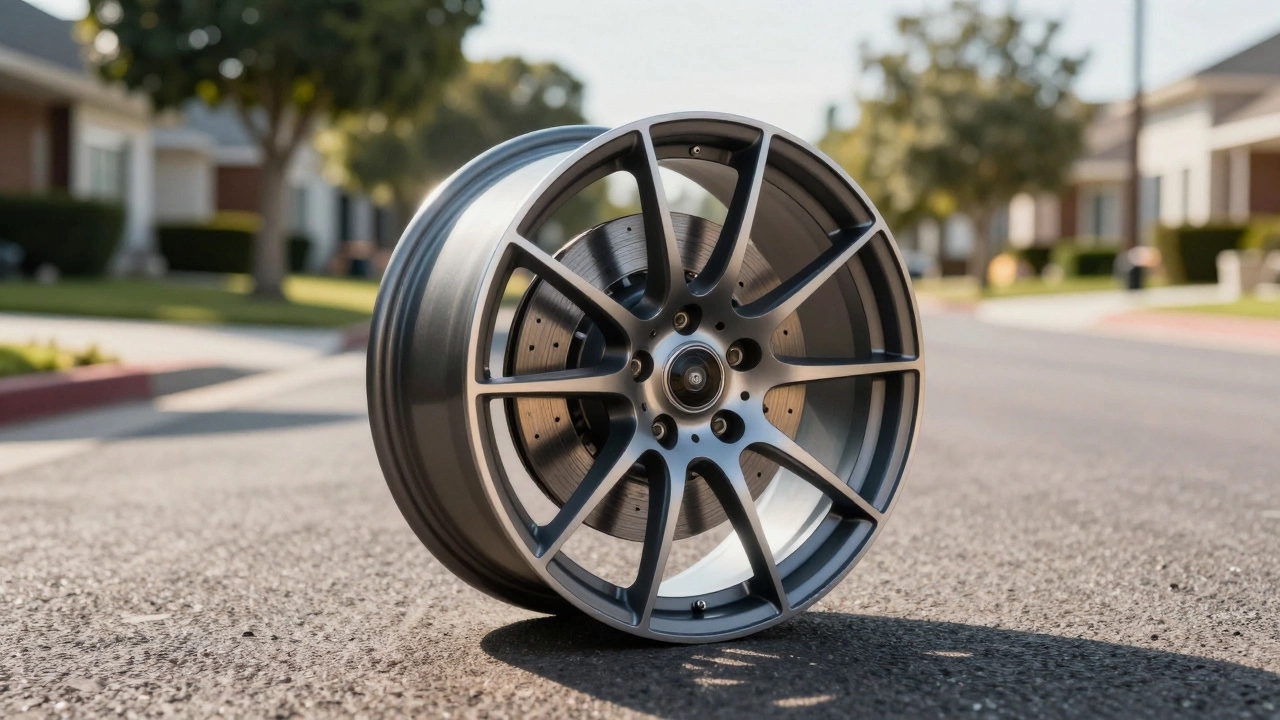
Are Alloy Rims Good? The Real Pros and Cons You Need to Know
Alloy rims offer better performance, fuel efficiency, and looks but come with higher costs and less durability on rough roads. Learn who benefits most and when steel wheels are smarter.
March 8 2026
Are Alloy Wheels Worth the Money? What You Really Get for the Price
Thinking of switching to alloy wheels? This article cuts through the hype to lay out exactly what alloy wheels offer—more than just looks. We'll dig into performance, cost, maintenance, and common myths. If you’re on the fence, you'll find out who really benefits from the upgrade, and who’s better off sticking with standard wheels. No sugar-coating, just what you need to make the choice.
April 24 2025