Car Tires: What You Need to Know About Wear, Replacement, and Safety
When you drive, your car tires, the rubber components that connect your vehicle to the road and enable movement, steering, and braking. Also known as tyres, they’re the only part of your car that actually touches the road—yet most drivers treat them like an afterthought. A worn or underinflated tire doesn’t just hurt your fuel bill—it can mean the difference between stopping in time and sliding into an accident. In the UK, where rain and cold roads are common, tire condition isn’t optional. It’s a safety requirement.
Car tires don’t just wear out from mileage. tire pressure, the amount of air inside the tire, measured in PSI or bar that’s too low or too high causes uneven wear, overheating, and blowouts. tire wear, the gradual loss of tread depth from friction, heat, and improper alignment happens faster if you corner hard, carry heavy loads, or skip wheel alignments. And tire replacement, the process of swapping out old or damaged tires for new ones isn’t just about buying the cheapest option. Cheap tires can mean longer stopping distances, poor grip in wet conditions, and even higher insurance premiums if they fail an MOT.
Most tires last between 20,000 and 50,000 miles, but that’s only if you check them every month. Tread depth under 3mm is risky. The legal minimum in the UK is 1.6mm, but experts say you should replace them before they hit that mark. Look for cracks on the sidewall, bulges from impacts, or vibrations when driving—those aren’t normal. And don’t forget: front and rear tires wear differently. Rotating them every 6,000 miles can double their life.
You won’t find a single post here that says "just buy new tires." Instead, you’ll find real advice from drivers and mechanics who’ve been there: how to test tread depth with a coin, why winter tires matter even if you don’t drive in snow, what tire age means when the tread still looks good, and how to avoid being upsold on expensive brands that don’t fit your driving style. We cover the signs your tires are failing, what to look for during an MOT, and why matching tire types matters more than you think. No fluff. No theory. Just what you need to know to keep your car safe and your wallet intact.
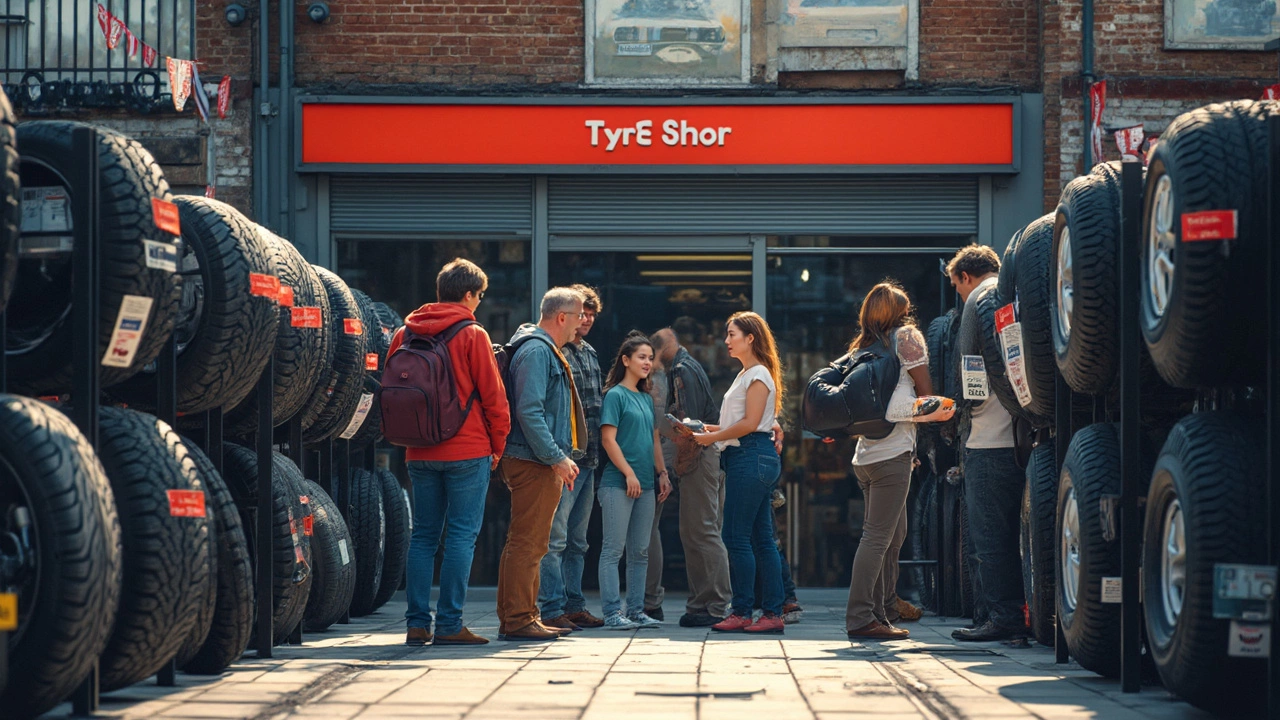
How Much Is a Tire for a Car? Your 2025 Price Guide
Trying to figure out what you’ll actually pay for new car tires? This guide breaks down real 2025 prices, what affects costs, and how to spot a good deal without getting ripped off. From budget-friendly options to all-out performance tires, you’ll see what’s out there and what really matters. Save money with smart tips and learn how common pitfalls can sneak up on you. It’s practical, straight talk for anyone who needs new rubber on their ride.
May 23 2025