Brake Wear Signs: How to Spot Failing Brakes Before It's Too Late
When your brake wear signs, visible or audible indicators that your braking system is degrading and needs attention show up, ignoring them isn’t just risky—it’s dangerous. Brake systems don’t fail suddenly; they whisper warnings long before they stop working. A high-pitched squeal, a soft pedal, or the car pulling to one side aren’t just annoyances—they’re red flags. Most drivers wait until the brakes feel "wrong," but by then, damage to the brake rotors, the metal discs that brake pads clamp down on to stop the vehicle might already be done. And replacing rotors costs far more than swapping out worn pads.
Brake pads are designed to wear down slowly, but how fast they go depends on your driving. Stop-and-go city traffic? Heavy loads? Aggressive braking? All of that eats through pads faster than highway cruising. The brake pads, friction material that presses against the rotors to slow or stop the car usually last between 25,000 and 70,000 miles, but if you hear grinding, you’re already metal-on-metal. That’s not just expensive—it’s a safety hazard. And if your steering wheel shakes when you brake, that’s not a alignment issue—it’s warped rotors. Many people think you can just replace pads and call it done, but if the rotors are too thin or uneven, new pads won’t work right. You need both checked together.
It’s not just about noise or feel. Your car might not tell you when the brake fluid is low or contaminated, or when the calipers are sticking. That’s why regular visual checks matter. Look for fluid leaks under the wheels, check pad thickness through the wheel spokes, and pay attention to how long it takes to stop. If you’ve noticed the pedal feels spongy or the car takes longer to halt, don’t wait for the warning light. That light means the system is already compromised.
What you’ll find below are real, no-fluff guides from UK drivers and mechanics who’ve been there. You’ll learn how to spot the difference between normal brake noise and dangerous wear, when you really need new rotors, what to ask for at a garage, and how to avoid being upsold. No jargon. No guesswork. Just clear signs you can check yourself—and what to do next.
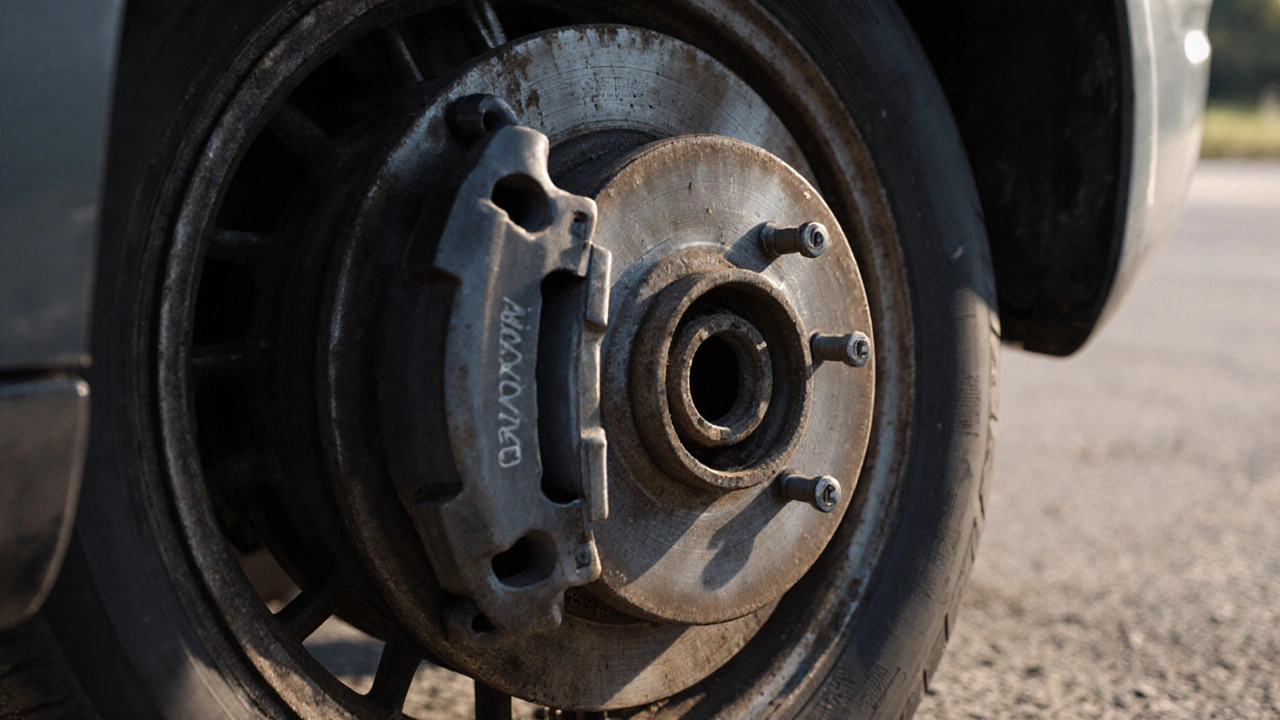
How to Know When Brake Pads Need Replacing: Signs You Can't Ignore
Learn the real signs your brake pads need replacing - from squealing noises to longer stopping distances. Don't wait until it's too late. Get safe, affordable brake checks before damage costs more.
November 23 2025