Automotive Tips: Essential Car Maintenance Advice for UK Drivers
When it comes to keeping your car reliable, automotive tips, practical, hands-on advice for maintaining vehicle components to avoid costly breakdowns. Also known as car maintenance advice, it’s not about guessing—it’s about knowing what to look for, when to act, and what happens if you don’t. Most drivers wait until something breaks, but smart ones pay attention to the small signs: a rough idle, a strange noise, or even just a drop in fuel economy. These aren’t random glitches—they’re warnings from your car’s systems.
Take spark plugs, components that ignite fuel in your engine’s cylinders, critical for smooth performance and fuel efficiency. Also known as ignition plugs, they can last years, but driving style, fuel quality, and engine wear often cut that time in half. If your car hesitates on cold starts or your miles per gallon have dropped, worn plugs are likely the culprit. And it’s not just about the plugs—brake pads, friction materials that slow your car by pressing against rotors, vital for safe stopping. Also known as brake linings, they wear down silently. A squeal isn’t always the first sign; sometimes it’s just a longer stopping distance or a vibrating pedal. Ignoring them doesn’t just risk your safety—it can wreck your rotors, doubling your repair bill.
Then there’s the radiator, the core of your engine’s cooling system, responsible for preventing overheating by circulating coolant. Also known as engine cooler, it’s built to last 8 to 12 years, but leaks, rust, or neglected coolant changes can kill it in half that time. A small leak you ignore today becomes a blown head gasket tomorrow. And don’t forget oil—changing it on time isn’t a suggestion, it’s survival. Going past 5,000 miles without an oil change? That’s not saving money. That’s inviting sludge, metal-on-metal wear, and possibly a total engine failure.
These aren’t isolated fixes. They’re connected. Bad suspension adds stress to your engine. A clogged air filter messes with your AC. Using the wrong oil type can void warranties or cause premature wear. Every automotive tip you follow ties into another part of the system. You’re not just replacing parts—you’re protecting the whole machine.
Below, you’ll find real, no-fluff guides written for UK drivers. No theory. No marketing hype. Just clear answers: when to replace brake pads without changing rotors, whether synthetic oil is right for your high-mileage car, how long a clutch really lasts, and why that new muffler might not give you the power boost you expected. These aren’t guesses. They’re based on what mechanics see every day on UK roads. Read them before your next repair bill hits.
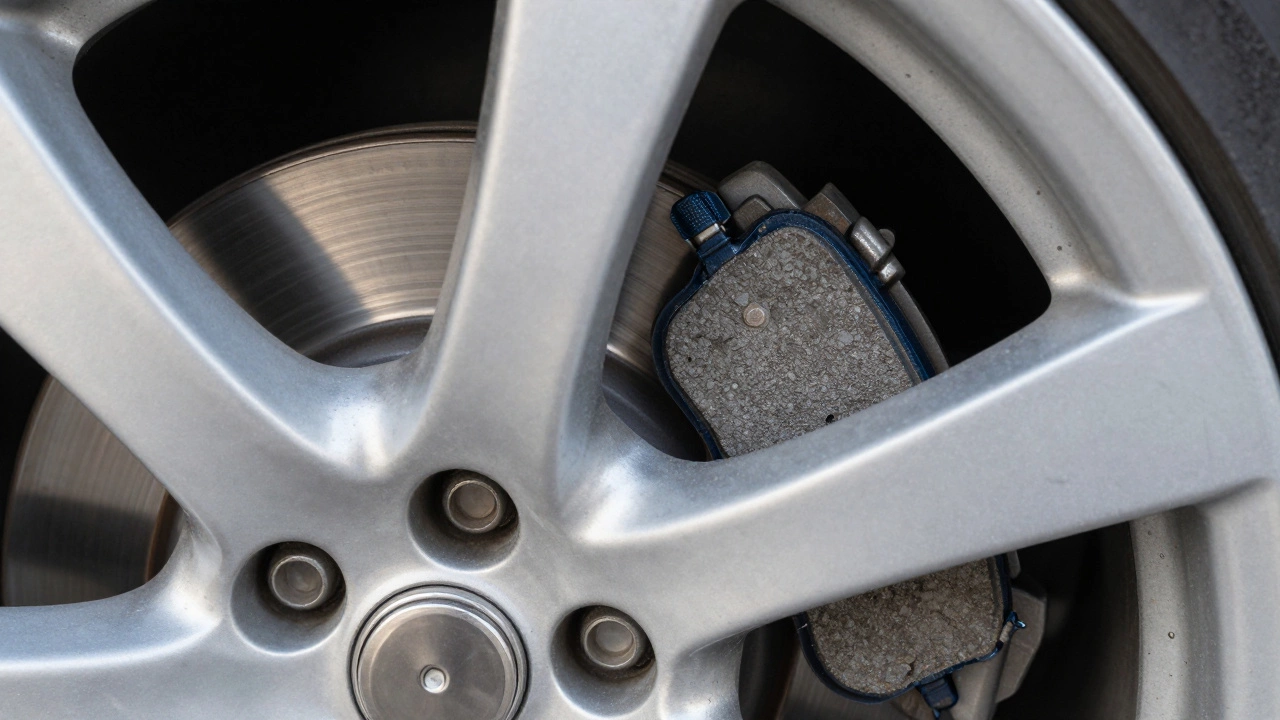
How Often Should Brake Pads Be Replaced? A Complete Guide
Learn how often to replace brake pads based on mileage, driving habits, and warning signs. Discover visual inspection tips, cost estimates, and maintenance advice to keep your vehicle safe.
May 28 2026
Can I Fix a Fuel Pump Myself? Handy Tips and Insights
Fixing a fuel pump yourself might seem daunting, but with the right guidance, it’s possible to tackle this automotive task without a mechanic. Learn what signs indicate a failing fuel pump, tools you’ll need for the job, safety tips, and when it might be best to call in a professional. Whether you're a DIY enthusiast or just trying to save some cash, this guide offers practical advice and hands-on tips to help you decide if this repair is within your reach.
March 29 2025