Radiator Decision Calculator
Vehicle Details
Enter your vehicle's current details to get an accurate financial recommendation.
Decision Analysis
Enter your details above and click "Analyze Options" to see the verdict.
The Dilemma at the Garage
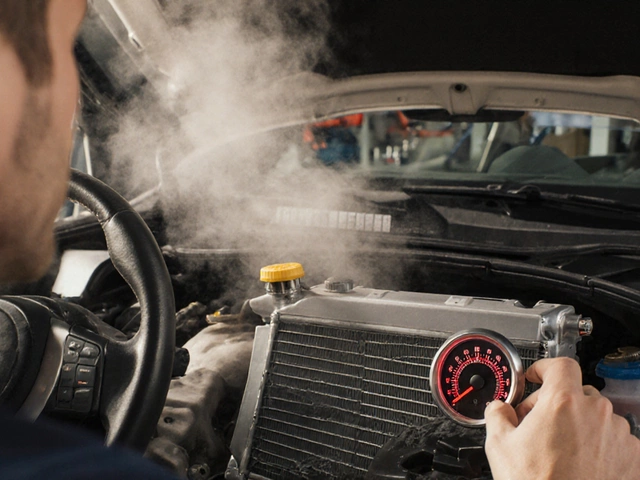
You pop the bonnet and see steam rising from underneath the engine bay. Your dashboard warning light is glowing red, signaling a classic case of overheating. In that moment, panic sets in. You know you need to fix it, but every mechanic gives you different advice. One suggests welding a crack, while another insists on installing a brand-new unit. With prices for parts and labour climbing in 2026, your wallet is screaming for clarity. Should you trust an old-school patch job, or invest in a complete swap?
This isn't just about the component itself; it is about the total cost of ownership for your vehicle. A quick fix might save cash today, only to fail three months down the line. Conversely, buying a premium unit on a ten-year-old car feels like throwing money into the river. We need to cut through the noise and look at the actual economics of fixing your car radiator.
Key Takeaways
- Radiators last 5-8 years on average before needing significant intervention.
- Minor leaks can sometimes be repaired, but internal blockage requires replacement.
- Labor costs often outweigh the price of the part itself.
- Consider your vehicle's market value when deciding.
- Coolant quality affects long-term system reliability.
Diagnosing the Core Issue
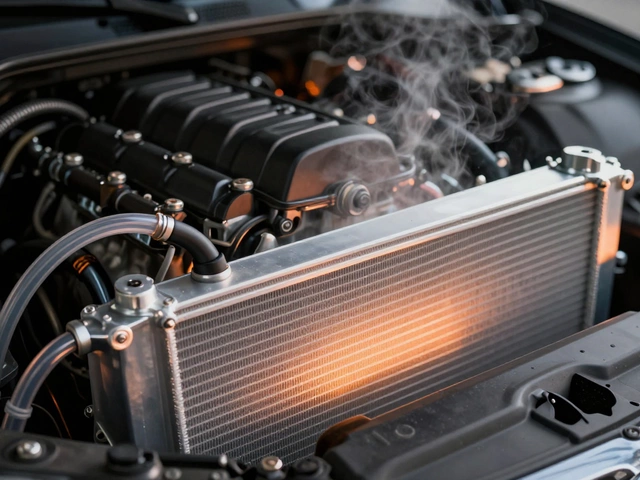
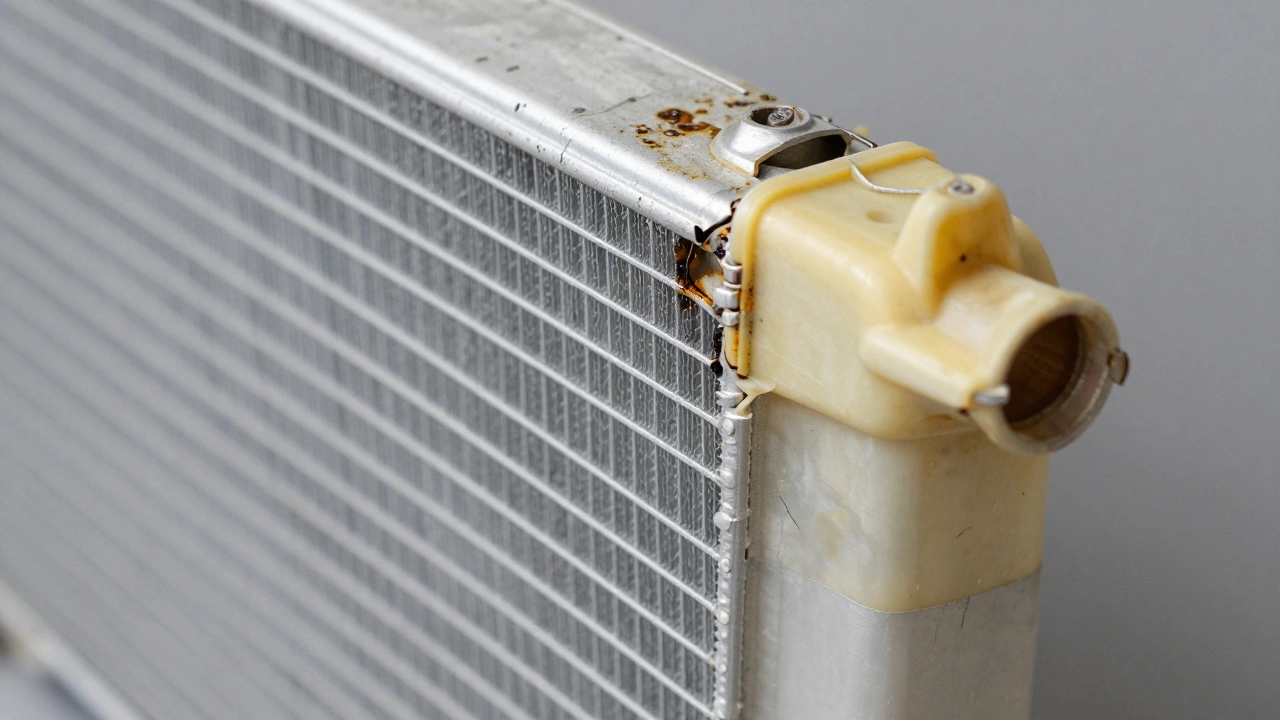
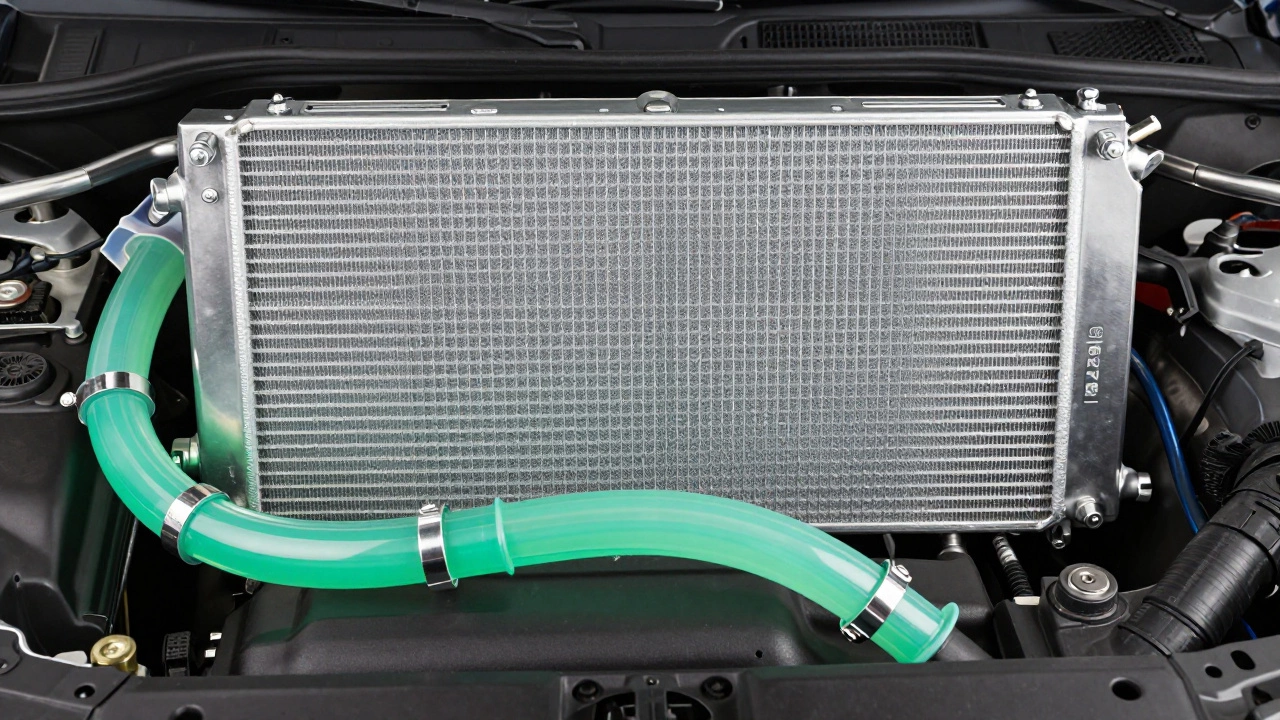
Car Radiator is a heat exchanger that cools the engine by transferring heat from coolant to the air. Usually, these components fail in one of three ways. First, external cracks appear in the plastic tanks where the metal joins the plastic. Second, internal corrosion creates blockages that stop flow. Third, the fins get bent or damaged by road debris. If you have a small leak near the base of the tank, a weld might hold up. However, if the core tubes themselves are clogged, you cannot flush them out effectively. Water acts like a blood vessel for your engine; if it gets blocked, the pressure builds until something snaps. Mechanics often test this by pressurizing the cooling system. If pressure drops rapidly, the leak is big enough to warrant replacement rather than a temporary patch.The Economics of Repair
Patching a radiator seems logical. It keeps you driving without spending hundreds of pounds. Some specialists offer epoxy resin repairs for pinhole leaks or soldering for metal-to-metal joints. In 2026, labor rates in major UK cities range from £85 to £110 per hour. A simple repair might take less than an hour of labor time.
| Service Type | Estimate (£) | Labor Hours | Reliability |
|---|---|---|---|
| Radiator Sealant | £20 - £40 | 0.5 | Low (Temporary) |
| Tank Welding | £100 - £150 | 1.5 | Medium |
| Core Flushing | £60 - £90 | 1.0 | Variable |
The Case for Replacement
Replacing the entire assembly guarantees performance levels close to factory specifications. In today's market, aftermarket units offer decent value, costing significantly less than OEM parts. For a typical family sedan, a quality replacement unit might run between £150 and £300 excluding installation. While this looks high initially, you reset the lifespan of the component.
One critical factor is access. On some engines, like the Ford EcoBoost or certain BMW inline-six models, the radiator sits deep behind the bumper cover and intercooler pipes. Removing it takes considerable effort. Mechanics often recommend replacing hoses and the water pump during this process anyway since the labor time has already been spent. This "bundling" strategy makes replacement more economical over a two-year period.
Coolant is a fluid mixture that prevents freezing and overheating while lubricating the water pump. Whenever you drop a radiator, you must refill the system with fresh fluid. Old coolant degrades over time, losing its anti-corrosion properties. Using fresh fluid alongside a new radiator ensures the system doesn't immediately corrode again.Hidden Costs to Consider
Price tags quoted for parts often hide the real expenses. Removal fees are standard across the industry. Sometimes, getting to the component requires removing the front splitter or even the fan belt assembly. Each step adds to the bill. There is also the risk of collateral damage. Plastic clips snap when prying loose bumpers, and rubber hoses dry rot during removal.
Consider your vehicle's depreciation curve. If your car is worth less than the repair bill, it is financially irrational to spend too much. A five-year-old hatchback might be valued around £4,000 to £6,000. Spending £500 on a radiator is a reasonable 10% investment. However, spending £800 on a ten-year-old car valued at £2,500 tips the balance toward selling the vehicle or scrapping it.
Determining Viability Based on Age
The age of your vehicle changes the math entirely. For cars under five years old, a warranty claim or direct replacement is usually the path. If the car is older, say eight to twelve years, the plastic degradation is advanced. The plastic becomes brittle from heat cycling. Even a new unit made from recycled plastics might share similar weaknesses.
Questions to Ask Before Deciding
- Mileage: Does the engine have significant oil sludge issues that could block a new core?
- History: Has the cooling system been maintained regularly?
- Urgency: Do you need immediate mobility or can you wait for a quote?
- Plans: Are you planning to sell the vehicle within the year?
Practical Decision Flow
Use this logic tree to guide your decision-making process efficiently.
- Identify Leak Location: If the leak is strictly on the plastic side cap, try repair. If the core leaks, replace.
- Check Blockage: If you suspect clogs, flushing won't help. You need a new radiator.
- Assess Labor Cost: If labor exceeds 200% of the part price, find a shop with lower hourly rates.
- Verify Compatibility: Ensure the replacement matches your specific trim level.
Long-Term Maintenance Tips
Preventing future issues is cheaper than any repair cycle. Flush the system every forty thousand miles. Check for weeping caps annually. Never top off low coolant with plain tap water; mineral deposits scale up the insides faster than anything else. Inspect the electric fans monthly to ensure they spin freely, as stuck fans lead to rapid boiling during traffic jams.
Can I drive my car with a leaking radiator?
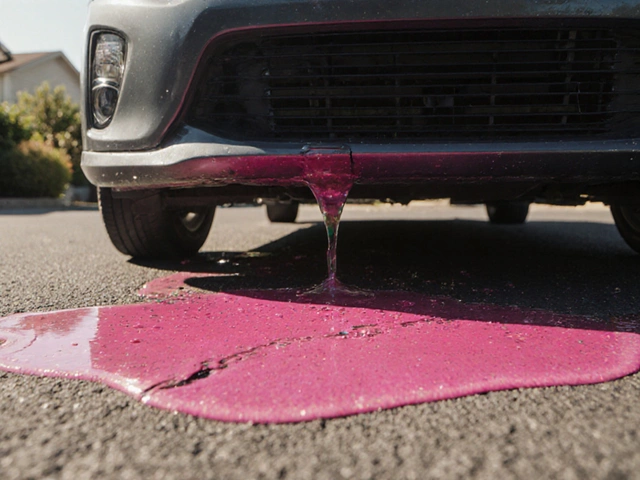
It is unsafe to drive with a known leak. Antifreeze loss leads to overheating which destroys engine blocks. You should move the vehicle to a safe location and tow it to a garage.
How long does a radiator typically last?
Most units last between five and eight years, depending on coolant quality and driving conditions. Regular flushing extends this life span.
Is it better to buy OEM or aftermarket parts?
OEM parts guarantee exact fitment and longevity but cost double the price. High-quality aftermarket brands are usually sufficient for older vehicles.
Does a radiator repair void my warranty?
If the vehicle is under manufacturer warranty, you must use authorised service centres for any work to maintain coverage claims.
Why did my radiator crack suddenly?
Next Steps for Owners
Once you decide on the path forward, preparation helps avoid surprises. Get three quotes from independent garages rather than just accepting the dealership price. Ask if the quote includes refilling and bleeding the system. Bleeding air pockets is crucial; trapped air causes hot spots even with a functioning radiator. Finally, verify the cooling fan electrical connections. If the sensor fails later, you will be back in the shop paying more than necessary.
Your vehicle's heart relies on steady cooling to perform reliably. Balancing cost with longevity determines how long you stay on the road. Always weigh the repair effort against the resale value. Sometimes buying the right part today prevents buying an engine tomorrow.