Suspension Symptom Diagnostic Tool
Select the symptoms your vehicle is exhibiting to identify the likely cause and the urgency of the repair.
What are you experiencing?
Diagnostic Results
Select symptoms on the left and click "Diagnose Issue" to see the results.
Quick Tips for Identifying Suspension Problems
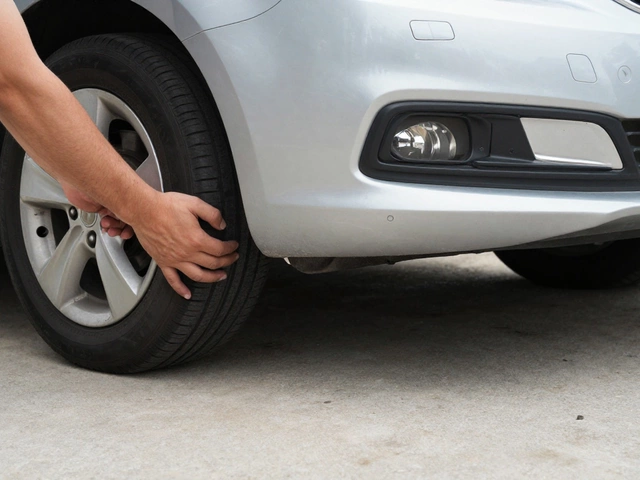
- The Bounce Test: Push down hard on one corner of the car. If it bounces more than twice, your shocks are shot.
- Visual Leak Check: Look at the shock body for oil film. Wetness means a seal has failed.
- Tire Wear Patterns: Cupping (dips in the tread) usually points to worn-out struts.
- Steering Drift: If the car pulls to one side on a flat road, your alignment or bushings are likely gone.
Understanding Your Vehicle's Support System
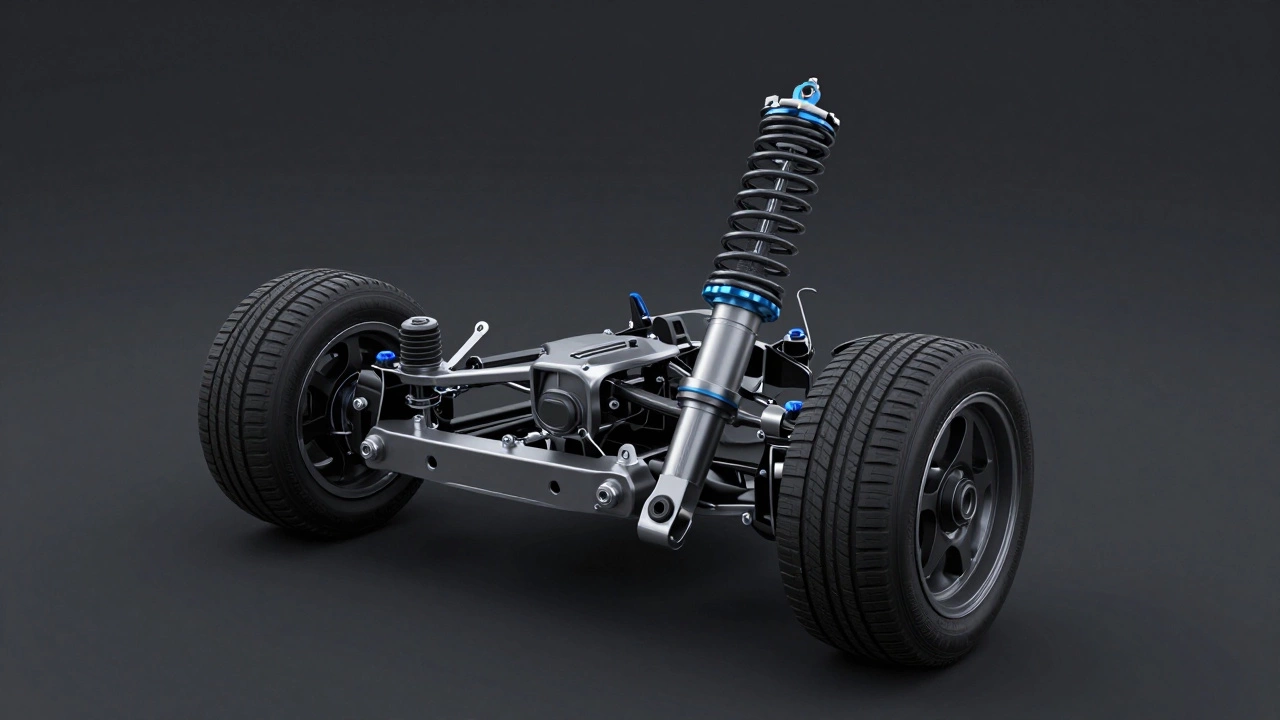
Before you start crawling under the chassis, you need to know what you're looking at. A car's suspension isn't one single part; it's a network of components working together to keep the tires on the road and the passengers comfortable. At its core, Suspension is the system of springs, shock absorbers, and linkages that connects a vehicle to its wheels. It manages the impact of the road and maintains the vehicle's stability.
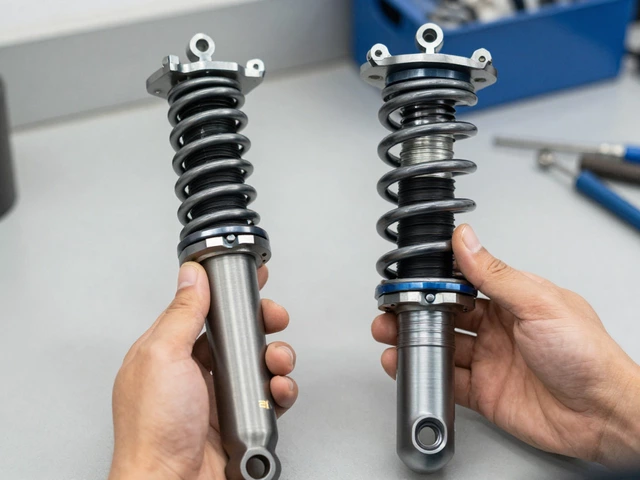
One of the most common components is the Shock Absorber. Think of it as a hydraulic damper. Its job is to stop the springs from bouncing uncontrollably. When a shock fails, the spring takes over entirely, leading to that "pogo stick" feeling. Similarly, Struts are structural versions of shocks that also support the weight of the vehicle. If you have a MacPherson strut setup, the strut is actually a critical part of the steering geometry.
Then you have the Control Arm. These are the hinges that allow your wheels to move up and down while keeping them aligned. They usually have rubber Bushings at the pivot points. When these rubber bits crack or rot, you get metal-on-metal contact, which creates those dreaded squeaks and clunks.
How to Diagnose Noises and Vibrations
Not all suspension failures look like a leaking oil spot. Most of the time, you'll hear the problem before you see it. The key is to identify where the noise is coming from and when it happens.
If you hear a loud popping or clicking sound while turning the steering wheel at low speeds, you're likely dealing with a worn CV Joint or a failing Ball Joint. Ball joints act as the "shoulders" of your suspension, allowing the wheel to pivot. When they wear out, they develop "play," meaning they wiggle in their sockets. This is a high-risk failure; if a ball joint snaps, the wheel can literally fold outward, leaving you stranded and without steering.
Squeaking or creaking, especially when going over speed bumps, usually points to the bushings. Rubber degrades over time due to road salt, oil leaks, and heat. If the rubber is gone, the metal arm rubs against the frame. On the other hand, a rhythmic thumping that gets faster as you speed up often relates to tire issues or unbalanced wheels, though it can be a symptom of a collapsed coil spring.
| Symptom | Likely Culprit | Risk Level | Common Cause |
|---|---|---|---|
| Excessive Bouncing | Shock Absorbers/Struts | Medium | Seal failure/Oil leak |
| Clunking on Bumps | Control Arms/Bushings | Medium | Rubber dry rot |
| Popping during turns | Ball Joints/CV Joints | High | Mechanical wear |
| Uneven Tire Wear | Alignment/Struts | Low to Medium | Component fatigue |
| Vehicle Leaning | Coil Springs | Medium | Spring snap/sagging |
Step-by-Step Troubleshooting Process
Now that you know what to listen for, let's get a troubleshoot suspension issues plan in motion. You don't need a professional lift to do a basic inspection, but you will need a few basic tools and a safe place to work.
- The Visual Sweep: With the car on the ground, look through the wheel spokes. Check for leaking fluid on the shocks. Look at the rubber boots on the ball joints; if they are ripped and grease is leaking out, the joint is contaminated and will fail soon.
- The Shake Test: Jack up the car safely using jack stands. Grab the tire at the 3 o'clock and 9 o'clock positions and try to wiggle it. If there is movement, you likely have a bad tie rod end or ball joint. Then, grab it at 12 and 6 o'clock. Movement here often indicates a worn wheel bearing or control arm bushing.
- The Spring Check: Look at the Coil Spring. Is it sitting level? If one side of the car sits lower than the other, a spring may have snapped or simply lost its tension over a decade of use.
- The Steering Test: While the car is idling, turn the wheel slightly left and right. If you feel a vibration or hear a click, check the steering rack and the inner tie rods.
Dealing with Tire Wear and Alignment
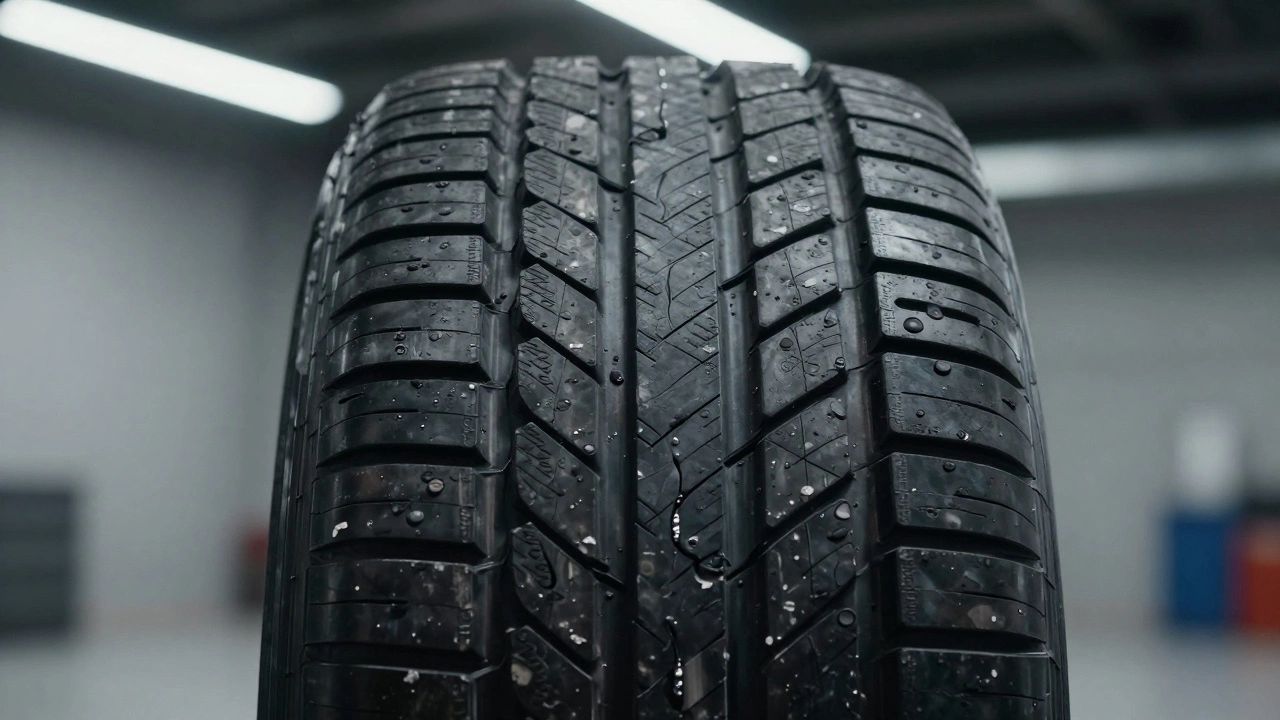
Your tires are the only part of the suspension that actually touches the road, making them the best diagnostic tool you have. If you see "cupping"-small, concave dips in the tread-it means your shock absorbers aren't keeping the tire pressed firmly against the road. The tire is essentially bouncing down the highway, hitting the pavement like a hammer.
If the inside edge of the tire is wearing down faster than the outside, your Wheel Alignment is off. This usually happens after hitting a deep pothole or a curb. While you can replace a part, you must get an alignment afterward. If you replace a control arm but don't align the wheels, you'll ruin a brand-new set of tires in a few hundred miles.
Common Pitfalls When Replacing Parts
A big mistake many people make is replacing only one shock absorber. Shocks and struts always work in pairs. If the left front shock is dead, the right one has likely seen the same amount of abuse and is just barely holding on. Replacing only one creates an imbalance in how the car handles, which can actually be dangerous during emergency braking.
Another common error is ignoring the hardware. When you take a control arm off, the bolts are often rusted. Using a cheap socket can strip the bolt head, turning a one-hour job into a ten-hour nightmare involving a torch and an angle grinder. Always use penetrating oil (like PB Blaster or Liquid Wrench) and let it soak for at least 30 minutes before attempting to break a bolt loose.
When to Stop and Call a Professional
Suspension work involves extremely high tension. A coil spring is essentially a giant piece of stored energy. If you try to remove a strut without a proper spring compressor, that spring can launch out with enough force to cause severe injury. If you aren't comfortable using a compressor or don't have heavy-duty jack stands, this is the moment to head to a shop.
Additionally, modern cars often have electronic suspension or active damping. If your dashboard is lighting up with "ESC" or "Electronic Suspension" warnings, you're dealing with sensors and computers, not just rubber and metal. A mechanic with a diagnostic scanner is the only way to troubleshoot these software-driven issues safely.
Can I just replace the bushings without replacing the whole control arm?
Yes, you can. However, it requires a hydraulic press to push the old bushings out and the new ones in. For most DIYers, it is cheaper and faster to buy a complete control arm assembly, as the labor cost of pressing bushings often exceeds the cost of the part.
How often should I check my suspension?
You should do a visual inspection every time you rotate your tires (typically every 5,000 to 7,500 miles). Check for leaks, cracked rubber, and uneven tire wear. If you live in an area with salted winter roads, check more frequently as corrosion accelerates bushing failure.
Will new shocks make my ride stiffer?
Not necessarily. If you buy OEM (Original Equipment Manufacturer) replacements, the ride should feel like it did when the car was new. If you buy "performance' or 'heavy duty' shocks, the ride will be stiffer, which improves handling but reduces comfort.
What is the difference between a shock and a strut?
A shock absorber is just a damper that controls the spring's motion. A strut is a structural part of the suspension that incorporates the shock and the spring into one unit, and it also supports the weight of the vehicle and holds the wheel in place.
Does a bad suspension affect fuel economy?
Indirectly, yes. If your suspension is worn, it can cause poor wheel alignment. This increases rolling resistance, meaning the engine has to work harder to push the car forward, which slightly lowers your MPG.