Flowmaster Super 10 Loudness Estimator
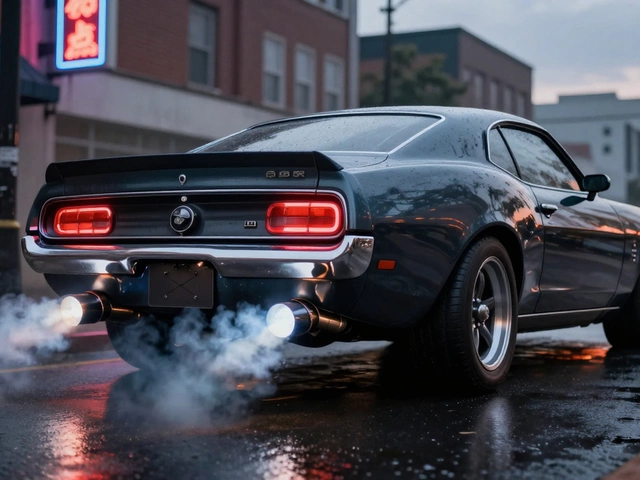
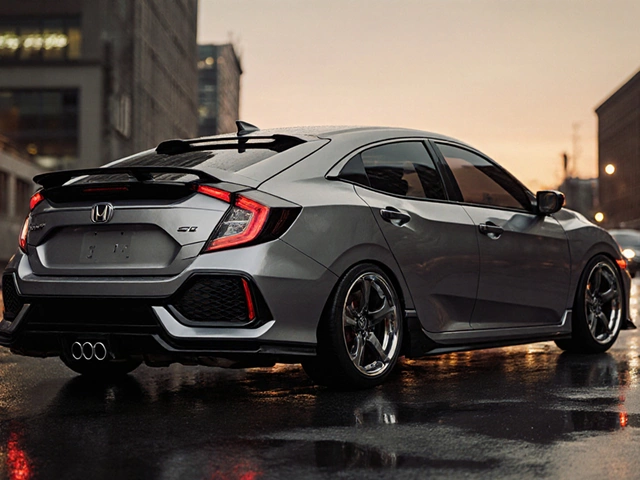
There is a persistent myth in the automotive community that any aftermarket exhaust system is automatically screamingly loud. But when it comes to the Flowmaster Super 10 is a high-flow, low-restriction exhaust system designed for muscle cars and trucks that balances power gains with a manageable sound profile. Unlike the more aggressive "Crossflow" or "409" series, the Super 10 is often misunderstood. Is it actually loud? The short answer is: yes, but not in the way you might think. It is louder than stock, certainly, but it lacks the harsh drone or backfire crackle of higher-end performance systems.
Understanding the Sound Signature
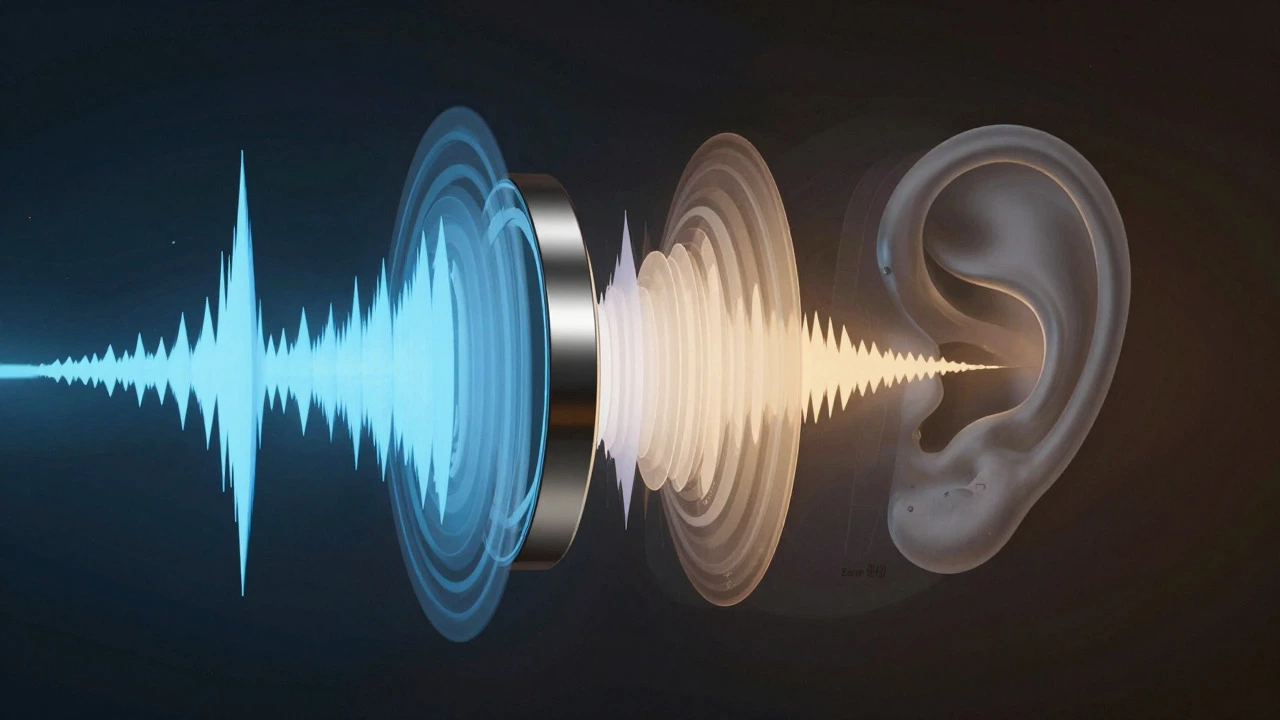
To understand if the Flowmaster Super 10 fits your lifestyle, you need to look at its acoustic characteristics rather than just a single decibel number. This system utilizes a specific muffler design that targets mid-range frequencies. This means it produces a deep, rumbling tone at idle that transitions into a smooth roar under acceleration. It does not have the metallic "ping" or sharp whistle associated with smaller-diameter pipes.
The sound is best described as "aggressive but polite." At highway speeds, many owners report that the cabin remains relatively quiet compared to other brands. However, during hard acceleration from a stop, the engine note becomes prominent. If you are looking for a show-car level scream, this is not it. If you want a truck or muscle car to sound like it has serious power without waking up the neighborhood every time you pass a red light, the Super 10 hits that sweet spot.
Decibel Levels: The Real Numbers
Manufacturers rarely publish exact decibel (dB) ratings because sound varies by vehicle weight, engine displacement, and road surface. However, based on owner reports and third-party testing on V8 engines, here is what you can expect:
- Idle: Approximately 75-80 dB. You will hear it clearly outside the car, but it won't startle pedestrians.
- Cruising (60 mph): Around 85-90 dB. Comparable to a busy city street. It adds character without being intrusive.
- Full Throttle (WOT): Can reach 95-100 dB+. This is where the "loudness" becomes noticeable. It is significantly louder than stock but quieter than a straight-pipe setup.
For context, a normal conversation is about 60 dB, while a rock concert is around 110 dB. The Flowmaster Super 10 stays well below the threshold of pain but well above the threshold of subtlety.
Comparison with Other Exhaust Options
How does the Super 10 stack up against its competitors? Here is a quick comparison of common aftermarket exhaust types regarding noise and purpose.
| System Type | Sound Character | Noise Level (Relative) | Best For |
|---|---|---|---|
| Stock OEM | Muffled, dull | Lowest | Daily commuting, strict noise ordinances |
| Flowmaster Super 10 | Deep rumble, smooth roar | Moderate-High | Muscle cars, trucks, daily drivers wanting personality |
| Flowmaster Crossflow | Harsher, more mid-range pop | High | Performance enthusiasts, track days |
| Straight Pipe | Raw, unfiltered engine noise | Very High | Competition, show cars, non-daily use |
Factors That Affect Perceived Loudness
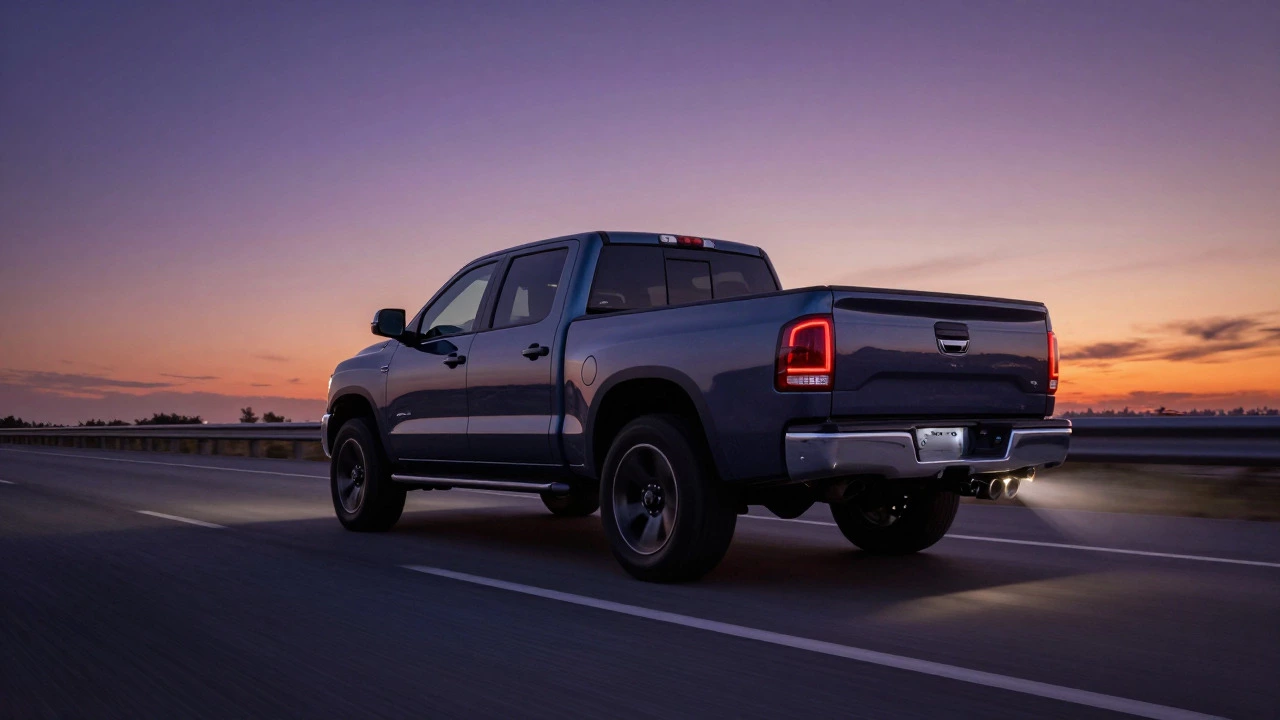
Two identical cars with the same Flowmaster Super 10 exhaust can sound drastically different. Why? Because exhaust noise is not static; it is dynamic. Several factors influence how loud the system feels to you and those around you.
- Engine Displacement: A 5.3L V8 will sound deeper and less shrill than a 4.3L V6. Larger engines move more air, creating a fuller tone that masks some of the raw noise.
- Tuning and Cam Profile: Aggressive camshafts increase exhaust gas velocity. This pushes more volume through the Super 10, making it sound louder even at idle. If you have a performance tune, expect the top end to be noticeably sharper.
- Vehicle Weight: Heavier trucks absorb some vibration, which can slightly dampen the resonance inside the cabin. Lighter sports cars may transmit more vibration, increasing perceived loudness.
- Intake System: While the intake affects airflow, it also changes the balance of sounds heard in the cabin. A high-flow intake combined with a Super 10 exhaust creates a symphony of induction whooshes and exhaust roars.
Will It Pass Emissions or Noise Checks?
In many regions, including parts of the United Kingdom and Europe, noise regulations are strictly enforced. The Flowmaster Super 10 is generally considered a "street legal" upgrade in most jurisdictions, provided the original catalytic converters are retained or replaced with certified equivalents. However, if you live in an area with strict residential noise limits, you should test drive a similar vehicle before committing. The low-end rumble can carry further than you might expect in open areas.
One common concern is drone. Drone is a constant, buzzing hum at specific RPM ranges (usually between 55-70 mph). The Super 10 is designed to minimize this. Most owners report minimal drone, but if you frequently cruise at steady highway speeds, listen carefully during a test drive. Some users with longer wheelbases report slight resonance, but it is rarely bothersome enough to warrant a return.
Installation and Fitment Considerations
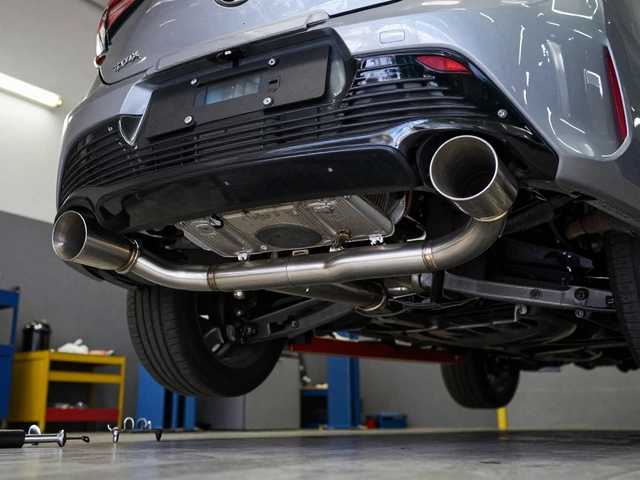
Loudness isn't the only factor. How easy is it to install? The Super 10 is known for its straightforward fitment on popular platforms like GM C/K trucks, Ford F-Series, and Dodge Ram. It typically requires basic hand tools and no cutting. The hangers are robust, reducing the risk of rattles that can add unwanted noise over time. Proper installation ensures that the resonators do their job, keeping the sound controlled.
If you are planning to swap exhausts in the future, consider that the Super 10 uses standard clamps. This makes removal easier if you decide the sound is too much for your taste. Many owners find they prefer the Super 10 after living with it for a few months, as the initial "new car smell" fades and the sound settles into a familiar companion.
Frequently Asked Questions
Is the Flowmaster Super 10 louder than the Flowmaster 409?
Generally, no. The 409 series is larger in diameter and offers less restriction, resulting in a louder, more aggressive sound. The Super 10 is tuned for a balance of flow and noise control, making it quieter than the 409 but louder than stock.
Does the Flowmaster Super 10 cause drone at highway speeds?
Most owners report minimal to no drone. The internal baffling is designed to cancel out specific frequencies that cause buzzing. However, individual experiences vary based on vehicle weight and tuning. A test drive is recommended if you are sensitive to resonance.
Can I install the Super 10 on a diesel truck?
Yes, the Super 10 is available for several diesel platforms. Diesel engines produce more torque at lower RPMs, so the Super 10 enhances the deep rumble characteristic of diesels without adding excessive high-frequency noise.
Is the Flowmaster Super 10 worth the price compared to cheaper options?
Yes, if you value build quality and consistent sound. Cheaper alternatives often use thinner steel and inferior mufflers, leading to rust and inconsistent noise. The Super 10 uses aluminized steel and precise engineering, ensuring longevity and a predictable sound profile.
Will the Super 10 improve my fuel economy?
Slightly. By reducing backpressure, the engine works less to expel exhaust gases. This can result in a marginal improvement in fuel efficiency, usually in the range of 1-3%. The primary benefit, however, is improved throttle response and sound.