HVAC Filter Compatibility Checker
Answer the questions below to see if upgrading to a MERV 11 filter is safe for your heating and cooling system.
System Configuration
Current Symptoms & Goals
Detected Risk Factors:
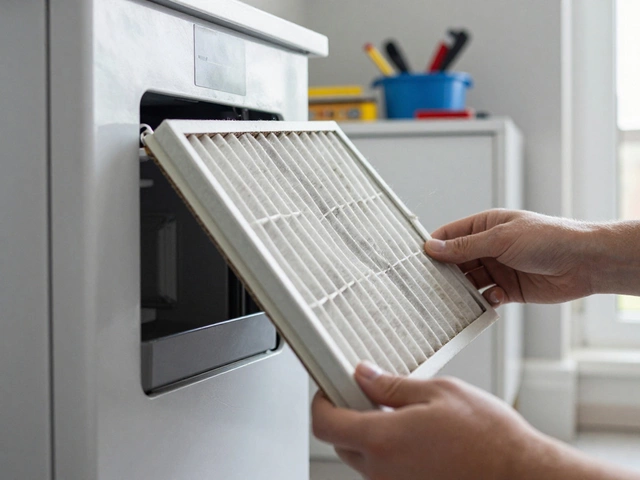
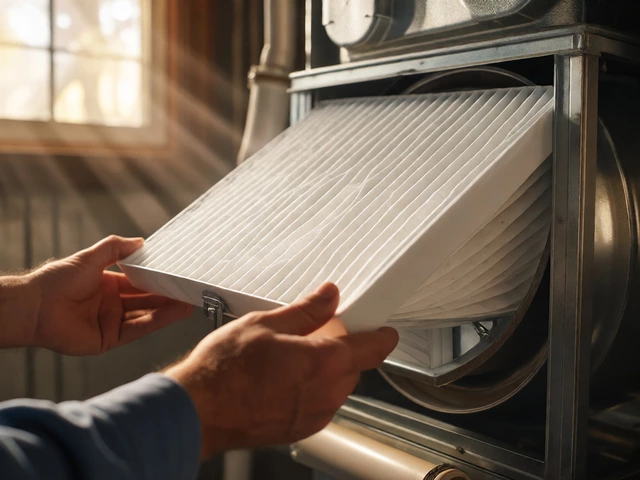
You just bought a box of MERV 11 filters because the packaging promised cleaner air and fewer sneezes. You swap out your old dusty mesh, slide the new pleated rectangle into the slot, and feel good about protecting your lungs. But two weeks later, your heating system starts making a weird whistling noise, or worse, it shuts down completely before reaching the set temperature. Did you buy the wrong thing? Is MERV 11 too high for residential use? The short answer is: usually no, but it depends entirely on what’s hiding inside your furnace blower.
This isn’t just about picking the number that sounds cleanest. It’s a balancing act between trapping dust and letting air flow. If you get this wrong, you’re not just wasting money; you’re potentially stressing your HVAC motor to its breaking point. Let’s break down exactly when MERV 11 is the sweet spot, when it’s a mistake, and how to know which camp you fall into without needing an engineering degree.
The Truth About MERV Ratings and Airflow
MERV stands for Minimum Efficiency Reporting Value. It’s a scale from 1 to 16 created by ASHRAE (the American Society of Heating, Refrigerating and Air-Conditioning Engineers) to measure how well a filter captures particles. Think of it like sunglasses ratings: higher numbers mean better protection against UV rays, but they also let less visible light through. With filters, higher MERV means smaller holes in the media, catching finer particles like pollen, mold spores, and even some bacteria. But those tiny holes also create more resistance to air moving through them.
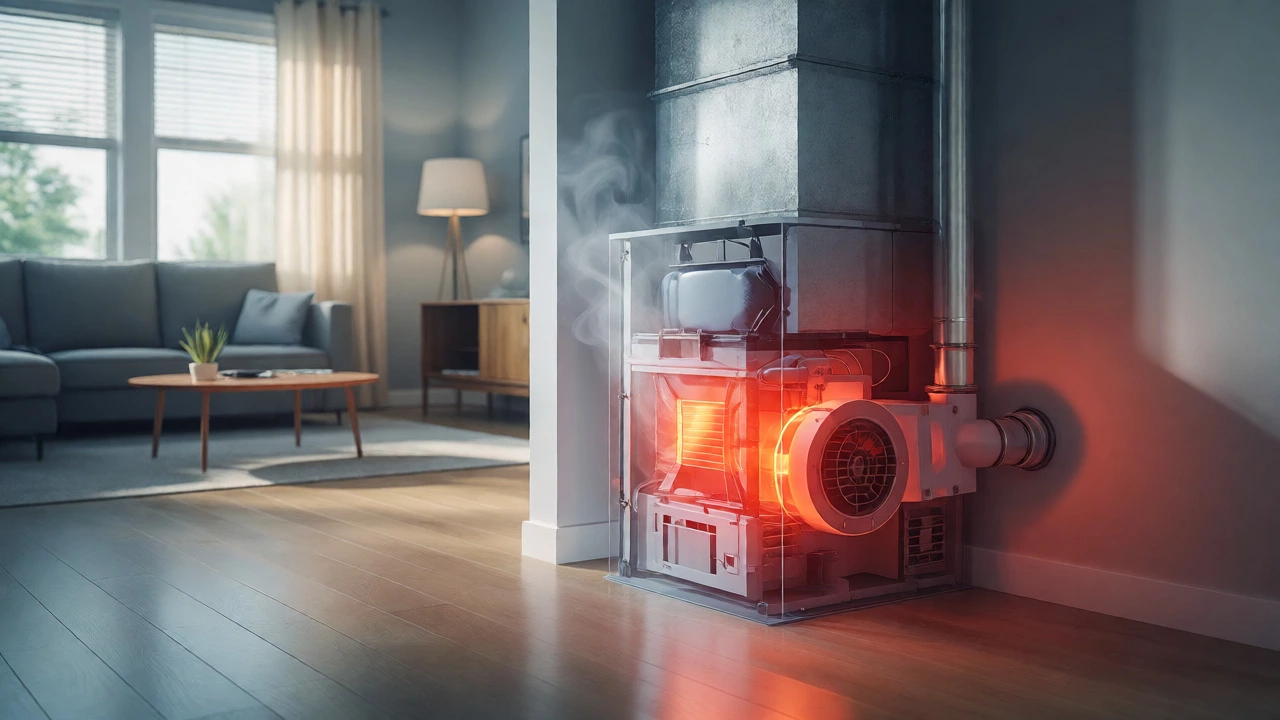
Your home’s HVAC system has a fan called a blower. This blower has a specific amount of horsepower designed to push air through ducts and registers. Every component in that path-ductwork, coils, vents-adds friction. The filter adds the most friction of all. When you upgrade from a basic fiberglass filter (usually MERV 1-4) to a MERV 11, you are significantly increasing the static pressure drop. Static pressure is essentially the resistance the fan has to fight against.
Most standard residential furnaces built in the last 15 years are designed to handle filters up to MERV 8 or MERV 10 comfortably. Many can tolerate MERV 11 if the rest of the system is healthy. However, older systems with single-speed blowers or undersized ductwork often struggle with anything above MERV 8. If the blower works too hard to pull air through the dense filter, it overheats, trips safety limits, or simply fails prematurely.
When MERV 11 Is Actually Great for Your Home
Despite the warnings, MERV 11 is arguably the best value-for-performance filter for many modern homes. Why? Because it hits the "Goldilocks" zone. It captures 65% to 80% of particles between 1.0 and 3.0 microns in size. To put that in perspective, pollen grains are typically 10-100 microns, while pet dander is around 2.5-10 microns. A MERV 11 filter catches almost all visible dust and a significant chunk of the allergens that make people itch and sneeze.
You should definitely consider MERV 11 if:
- You have a variable-speed blower motor. These modern motors adjust their speed based on demand. If they sense higher resistance from a denser filter, they ramp up power to compensate. This maintains airflow volume while still filtering aggressively.
- Your ductwork is well-sized. If your installer did their job right and used proper Manual J calculations, your system has enough capacity to overcome the extra pressure drop of a MERV 11 filter.
- You suffer from moderate allergies. If standard filters leave you congested during spring, upgrading to MERV 11 often provides noticeable relief without requiring expensive whole-house purification systems.
- You have pets. Pet hair is large, but pet dander is fine. MERV 11 traps dander effectively, keeping it out of your living space and off your furniture.
In these scenarios, the slight increase in energy consumption (usually negligible if the system is tuned correctly) is worth the health benefits. You’re trading a tiny bit of electricity for cleaner lungs.
Signs That MERV 11 Is Too Much Resistance
How do you know if your specific setup can’t handle the load? Your house will tell you, but you need to listen. Here are the red flags that scream "back down to MERV 8":
- The "Whistle." If you hear a high-pitched whistling sound coming from the return air vent, air is being sucked through gaps around the filter frame because the main path is too restricted. This bypasses the filter entirely, rendering it useless.
- Weak Airflow at Vents. Hold your hand near a supply register. Compare it to how it felt with the old filter. If the breeze feels noticeably weaker, your blower is struggling to maintain cubic feet per minute (CFM).
- Frequent Short Cycling. Your furnace turns on, heats up quickly, and shuts off before the room actually feels warm. This happens because restricted airflow causes the heat exchanger to overheat rapidly, triggering the limit switch.
- Frozen AC Coils. In summer, low airflow prevents adequate heat exchange across the evaporator coil. Moisture freezes instead of draining away, turning your cooling unit into a block of ice.
If you see any of these signs, don’t force it. Drop back to a lower rating immediately. Pushing through can cost you thousands in repairs later.

Comparison: MERV 8 vs. MERV 11 vs. MERV 13
Choosing the right filter isn’t intuitive. Here’s a breakdown of the three most common residential choices so you can decide based on your actual needs rather than marketing hype.
| Feature | MERV 8 | MERV 11 | MERV 13 |
|---|---|---|---|
| Particle Capture (1-3µm) | 20-35% | 65-80% | 85-90% |
| Airflow Resistance | Low | Moderate | High |
| Best For | Older systems, basic dust control | Allergy sufferers, modern systems | Severe asthma, premium systems |
| Risk to Blower Motor | Negligible | Low to Moderate | Moderate to High |
| Replacement Frequency | Every 3 months | Every 2-3 months | Every 1-2 months |
Notice the jump in capture rate between MERV 8 and MERV 11. It’s substantial. The jump from 11 to 13 is smaller but comes with a much steeper rise in resistance. For most people, MERV 11 offers the best return on investment. MERV 13 is often overkill unless you have specific medical needs or a high-end system designed for HEPA-like performance.
How to Test If Your System Can Handle MERV 11
You don’t need to guess. You can perform a simple DIY check. First, look at your furnace label. It might list a maximum external static pressure (ESP). If it says something like 0.5 inches water column (wc), you’re limited. A MERV 11 filter typically creates a pressure drop of 0.25 to 0.45 wc when dirty. Add that to the resistance of your ducts, and you might exceed the limit.
Here’s a practical test: Install the MERV 11 filter. Run the system for 24 hours. Then, go to your return air grille. Tape a piece of tissue paper loosely over the opening. If the tissue sticks firmly and stays there, airflow is decent. If it flutters weakly or falls off, your system is starved for air. Another trick is to monitor your utility bill. A sudden spike in heating costs after changing filters suggests the blower is working overtime.
Also, check the filter rack itself. Is it tight? Loose frames allow air to leak around the edges. This is common with cheaper filter holders. Even a perfect MERV 11 filter fails if air bypasses it. Use foam tape or a rubber gasket to seal the gap between the filter and the metal housing.
Alternatives If MERV 11 Fails
If you find that MERV 11 chokes your system, you aren’t stuck with poor filtration. There are smarter ways to get clean air without killing your blower.
Electrostatic Pleated Filters: These often carry a MERV 8 or 10 rating but use electrostatic charges to attract particles. They sometimes offer better capture rates for their pressure drop compared to purely mechanical media.
UV Lights: Installing a UV-C light in the ductwork kills mold and bacteria growing on the coil. This doesn’t replace filtration, but it reduces the biological load, meaning your filter doesn’t have to work as hard to keep the air biologically safe.
Duct Cleaning: Sometimes the problem isn’t the filter; it’s the ducts. Years of accumulated debris restrict airflow naturally. A professional cleaning can restore original design parameters, allowing you to run higher MERV filters safely.
Upgrade the Blower: If you love MERV 11+ performance but your old furnace hates it, consider replacing the blower motor with a variable-speed EC (electronically commutated) motor. It’s a one-time investment that pays off in comfort and air quality for years.
Key Takeaways
- MERV 11 is rarely "too high" for modern homes with variable-speed blowers and properly sized ducts.
- Older systems with fixed-speed motors often struggle with MERV 11, leading to overheating or frozen coils.
- Listen to your house: Whistling noises, weak airflow, and short cycling are clear signs the filter is restricting air too much.
- Seal the filter rack: Bypass leakage renders any filter ineffective, regardless of its MERV rating.
- Start conservative: Try MERV 8 first. If performance is lacking and no airflow issues appear, step up to MERV 11.
Can I wash and reuse a MERV 11 filter?
No, standard MERV 11 filters are disposable. Washing them damages the delicate electrostatic charge and collapses the pleat structure, ruining both efficiency and airflow. Only specific reusable aluminum mesh filters can be washed, and they typically have much lower MERV ratings (around 1-4).
Does MERV 11 help with wildfire smoke?
Partially. Wildfire smoke contains very fine particulate matter (PM2.5). MERV 11 captures some of these particles, but MERV 13 or true HEPA filters are significantly more effective for heavy smoke events. During severe wildfire seasons, you might temporarily upgrade to MERV 13 if your system allows it.
Will a thicker filter improve my air quality?
Not necessarily. Thickness (depth) allows for more surface area, which helps hold dust longer and reduces pressure drop. A 4-inch MERV 11 filter often flows better than a 1-inch MERV 11 filter. If your system supports deep filters, using a thicker one is a great way to boost efficiency without sacrificing airflow.
How often should I change a MERV 11 filter?
Check it monthly. Replace it every 2 to 3 months under normal conditions. If you have pets, live in a dusty area, or run the system constantly, you may need to change it every month. A clogged filter hurts airflow more than a slightly lower-rated clean filter.
Is MERV 11 bad for gas furnaces?
It’s not inherently bad, but it requires caution. Gas furnaces rely on consistent airflow to cool the heat exchanger. If a MERV 11 filter restricts airflow too much, the heat exchanger can overheat and crack. Always ensure your blower is functioning correctly before installing high-efficiency filters.