Home Air Filter Maintenance Planner
Step 1: Identify Your Filters
Select all the types of air filtration systems present in your home.
Primary Furnace Filter
Standard 1-inch filter in HVAC unit or return vent.
SelectedMedia Cabinet Filter
Thick (2-4 inch) high-efficiency filter in a cabinet.
SelectedPortable Purifier
Standalone units like Dyson, Coway, or Levoit.
SelectedElectronic Air Cleaner
Static electricity plates requiring cleaning.
SelectedStep 2: Household Factors
Generate Plan
Based on your selections, we'll create a maintenance schedule and estimate annual costs.
Check your primary filter monthly. If you can't see light through it, replace it immediately regardless of schedule.
Your Personalized Maintenance Plan
Maintenance Schedule
Estimated Annual Cost
Based on average retail prices for standard residential filters.
Efficiency Impact
Maintaining this schedule can reduce HVAC energy usage by up to 15%.
Common Mistakes to Avoid
- Don't wash disposable filters: Washing pleated or fiberglass filters destroys their structure.
- Check airflow direction: Ensure the arrow on the frame points towards the blower motor.
- Avoid overly high MERV ratings: Unless specified by your manufacturer, MERV 8-11 is usually optimal for residential systems.
Most homeowners are surprised to discover they have more than one air filter running their home. You likely know about the big rectangular filter tucked into your furnace or air handler, but that is rarely the only one. Many modern systems include a second filtration stage, often called an electronic air cleaner or a media cabinet filter, sitting right next to the main unit. Even if you do not have a secondary mechanical filter, you might be using portable air purifiers with their own HEPA cartridges in different rooms. Understanding exactly what filters you have, where they live, and how they work together is key to keeping your air clean and your energy bills low.
Before we look at the hardware, it helps to understand why this confusion exists. In many older homes, there was just one filter slot. Today, high-efficiency systems are common. These systems often split the job: a pre-filter catches large debris like hair and dust bunnies, while a finer filter captures microscopic particles like pollen and mold spores. If you only check the pre-filter, you might think your system is clean when the real workhorse is clogged. This oversight can lead to poor airflow, higher electricity costs, and dry, dusty air throughout your house.
Locating Your Primary Furnace Filter
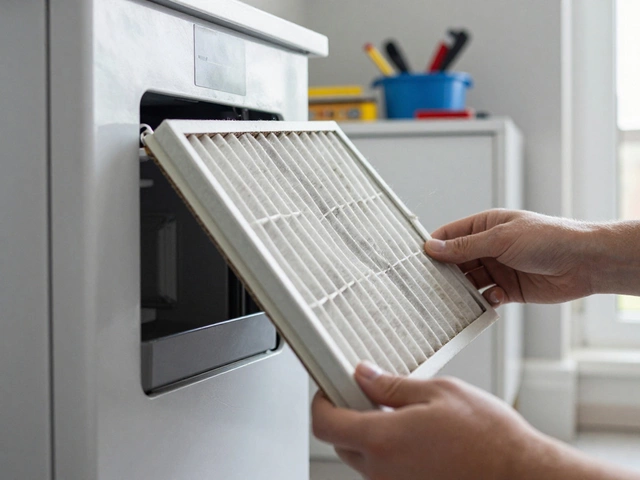
The first filter you need to find is the primary intake filter for your central heating and cooling system. This is usually located near the blower motor inside your furnace or air handler unit. In many UK homes, especially those with forced-air systems (though less common here than in North America, they exist in newer builds and converted properties), this slot is found on the side of the metal casing. Look for a sliding track or a removable panel. The filter itself is typically a rigid cardboard frame filled with pleated paper or synthetic mesh.
If you have a ducted system, the filter might also be located in a return air grille on the wall or ceiling. Some homeowners install a magnetic filter holder inside these grilles for easy access. Check the largest vent in each room; if it has a mesh screen behind it, that could be a filter location. However, be careful not to confuse decorative vent covers with actual filtration slots. A true filter will have a depth of at least one inch and will be labeled with its MERV rating or size dimensions.
The Second Filter: Media Cabinets and Electronic Cleaners
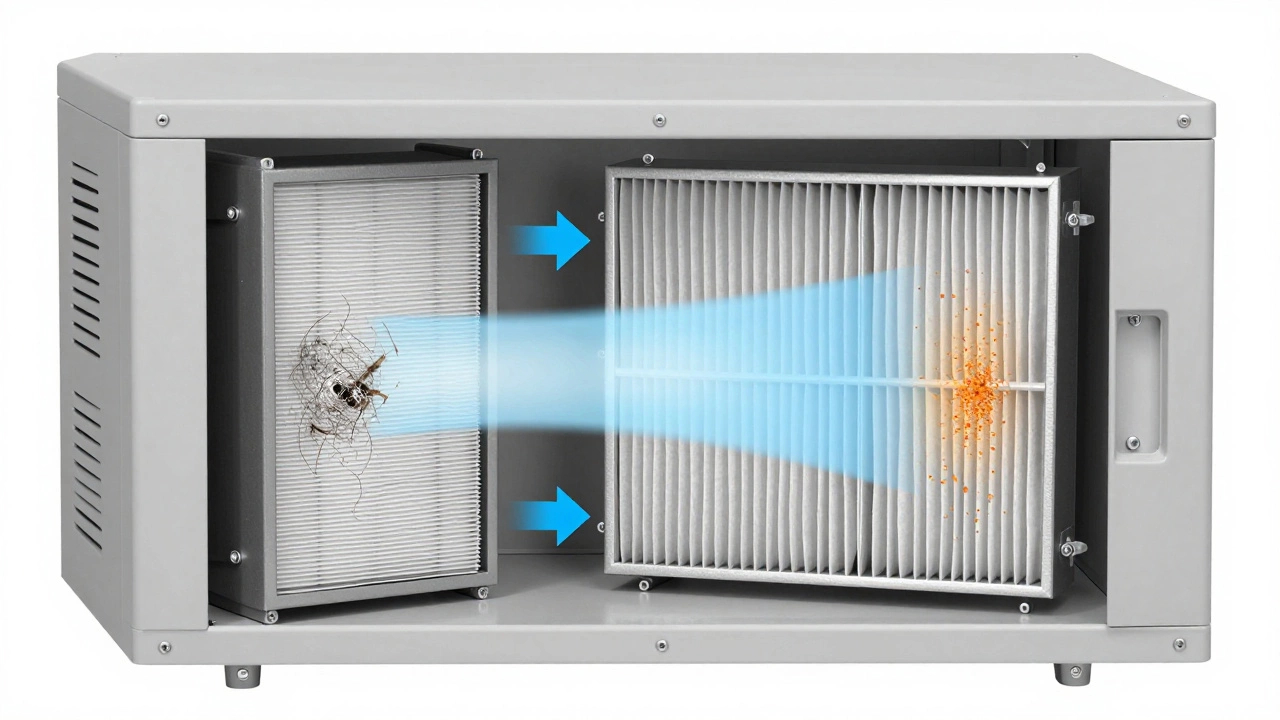
This is where the "two filters" mystery usually resolves. Many high-performance HVAC systems use a media cabinet a larger housing that holds thicker, high-capacity filters. Unlike the thin disposable filters, these cabinets hold filters that are two to four inches thick. They offer much greater surface area, which means they trap more dirt without restricting airflow as quickly. If your system has a media cabinet, you will see a large box-like structure attached to the main unit, often with a hinged door for access.
Another possibility is an electronic air cleaner (EAC). These devices use static electricity to charge particles in the air, causing them to stick to collection plates. While technically not a "filter" in the traditional sense, an EAC serves the same purpose and requires regular cleaning or replacement of its collector cells. If you hear a humming sound from your HVAC unit that isn't the fan, you might have an EAC. These are less common now due to maintenance requirements, but they are still present in many mid-to-late-century installations.
Portable Purifiers and Room-Specific Filters
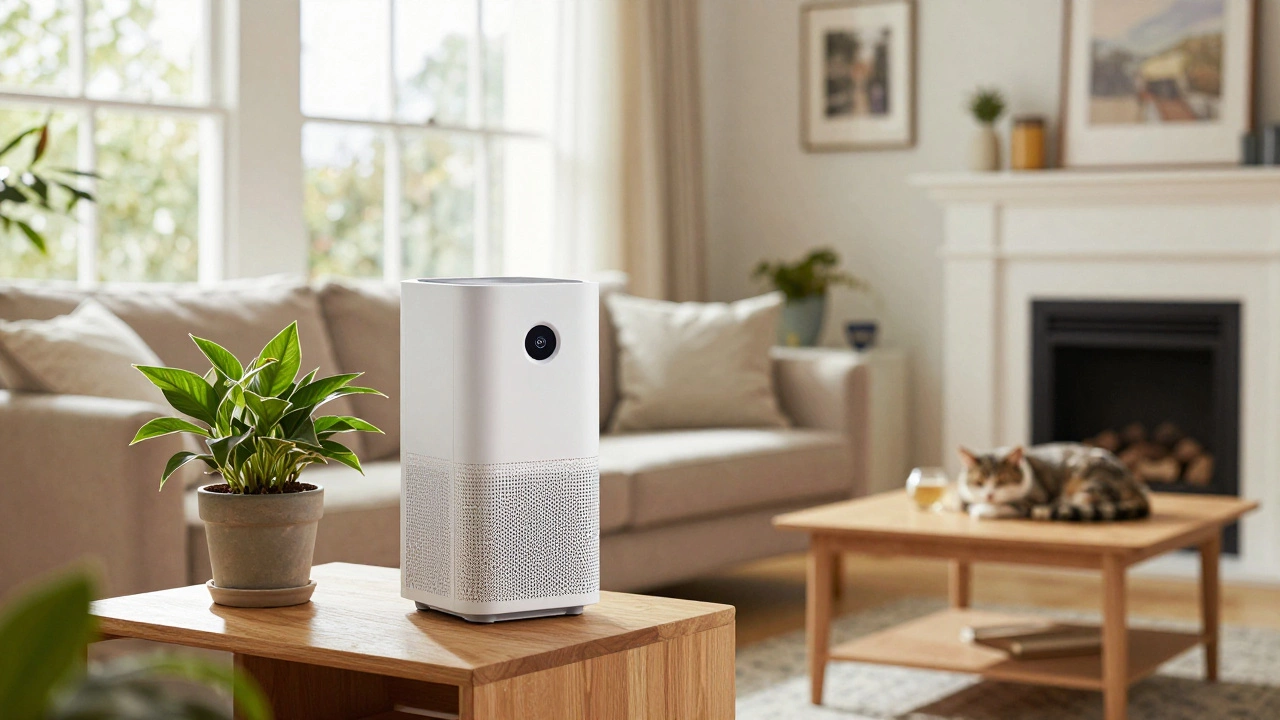
Even if your central system only has one filter, you might effectively have dozens of air filters in your house if you use portable air purifiers. Devices like Dyson fans, Coway units, or Levoit purifiers contain their own HEPA or carbon filters. These are independent of your HVAC system and target pollutants at the source, such as cooking odors in the kitchen or pet dander in the bedroom. It is crucial to treat these as separate maintenance tasks. A clogged portable filter won't affect your furnace, but it will stop cleaning the air in that specific room.
Consider your lifestyle. If you have pets, smoke indoors, or live in an area with high pollen counts, relying solely on a single furnace filter is often insufficient. Portable units provide localized control. For example, placing a purifier with a true HEPA filter in a child's bedroom can significantly reduce allergens during sleep hours. Just remember to check the manufacturer's guidelines for replacement intervals, which are often shorter than those for central system filters due to higher concentration of contaminants in smaller spaces.
Why Multiple Filters Matter for Efficiency
Having multiple stages of filtration improves both air quality and system longevity. The first filter (pre-filter) acts as a shield, catching large particles that would otherwise clog the finer, more expensive secondary filter. This extends the life of the high-efficiency filter and reduces how often you need to replace it. Without this staged approach, a fine MERV 13 filter might become blocked in weeks rather than months, forcing your blower motor to work harder and increasing wear on the system.
Efficiency also ties directly to comfort. A dirty filter restricts airflow, causing your heating or cooling system to run longer cycles to reach the desired temperature. This leads to uneven temperatures in different rooms and higher utility bills. In Manchester, where winters can be damp and cold, ensuring your heating system breathes easily is essential. A well-maintained multi-filter setup ensures consistent warmth and humidity control without straining your boiler or heat pump.
| Filter Type | Typical Location | Lifespan | Best For |
|---|---|---|---|
| Furnace Pre-Filter | HVAC Unit Intake | 1-3 Months | Catching large debris, protecting secondary filters |
| Media Cabinet Filter | Attached Cabinet | 6-12 Months | High-efficiency particulate capture, allergy relief |
| Portable HEPA Filter | Room Units | 6-12 Months | Localized allergen removal, smoke, odors |
| Electronic Collector Cells | Inside EAC Unit | Clean Quarterly | Microscopic particles, bacteria, viruses |
How to Check and Maintain Your Filters
Maintenance starts with identification. Turn off your HVAC system before inspecting any filters. Remove the primary filter and hold it up to a light source. If you cannot see light passing through the pleats, it is time for a replacement. For media cabinet filters, look for visible dust buildup on the surface. If the dust layer is thicker than half an inch, replace it. Do not attempt to wash pleated or fiberglass filters; they are designed for single use. Washing them damages the fibers and reduces efficiency.
For electronic air cleaners, follow the manufacturer's instructions carefully. Usually, this involves removing the collector cells, washing them in warm soapy water, rinsing thoroughly, and letting them dry completely before reinsertion. Failure to dry them properly can cause electrical shorts or rust. Keep a log of when you last checked or replaced each filter. Set a reminder on your phone for every three months for pre-filters and every six months for secondary filters. Consistency is key to maintaining good indoor air quality.
It is also worth noting that some smart thermostats now include sensors that monitor filter status. If you have a Nest or Ecobee system, check your app for alerts. These devices can estimate filter life based on runtime and airflow changes, providing a convenient reminder. However, do not rely solely on technology; visual inspection remains the most reliable method.
Common Mistakes to Avoid
One frequent error is installing the filter backwards. Most filters have an arrow indicating the direction of airflow. If installed incorrectly, the filter may fall apart or fail to capture particles effectively. Another mistake is using a filter with too high a MERV rating for your system. While a higher MERV number means better filtration, it also creates more resistance. If your HVAC system is not designed for high-resistance filters, it can strain the blower motor and lead to premature failure. Stick to the MERV rating recommended by your equipment manufacturer, usually between MERV 8 and 11 for standard residential systems.
Ignoring seasonal changes is another pitfall. During spring and autumn, pollen and mold spores are at their peak. Consider upgrading to a higher-efficiency filter during these months to protect your family's health. Conversely, in winter, focus on ensuring airflow is unrestricted to prevent overheating of the furnace. Adjusting your maintenance schedule seasonally can make a noticeable difference in comfort and air purity.
Understanding whether you have one or two air filters is not just about trivia; it is about optimizing your home environment. By locating all filtration points, understanding their roles, and maintaining them regularly, you ensure cleaner air, lower energy costs, and a longer lifespan for your HVAC equipment. Take the time to inspect your system today. You might be surprised by what you find hiding behind that panel.
While managing home maintenance keeps our living spaces healthy, sometimes we need to step away and recharge in different environments. Whether you are planning a trip to relax or explore new cultures, having resources for discreet and verified companionship options can enhance travel experiences. For instance, if you ever find yourself in Dubai looking for personalized local guidance or company, this directory offers verified profiles for those seeking such services abroad.
Where is the second air filter usually located?
The second filter is typically found in a media cabinet attached to the main HVAC unit or inside an electronic air cleaner. It may also be a standalone portable purifier in a frequently used room.
Can I wash my furnace filter?
No, most furnace filters made of fiberglass or pleated material are not washable. Washing them damages the structure and reduces effectiveness. Only electrostatic or permanent metal filters are designed to be washed.
How often should I replace my air filters?
Standard 1-inch filters should be replaced every 1-3 months. Thicker media cabinet filters last 6-12 months. Portable purifier filters vary by usage but generally need replacement every 6-12 months.
What happens if I don't replace my air filter?
A clogged filter restricts airflow, causing your HVAC system to work harder. This increases energy bills, reduces heating/cooling efficiency, and can lead to system breakdowns or frozen evaporator coils.
Is a higher MERV rating always better?
Not necessarily. Higher MERV ratings mean better filtration but also more airflow resistance. If your system is not designed for high-MERV filters, it can strain the blower motor. Consult your manufacturer's recommendations.