Air Filter Health & Replacement Estimator
Visual Inspection:
Enter details above to check if your air filter needs replacing.
Recommendation
Detected Symptoms:
Ever noticed your car feeling sluggish on the motorway or heard a weird whistle when you accelerate? It might not be a complex engine fault. Often, it’s something as simple as a clogged air filter. This component is the lungs of your vehicle, trapping dust, bugs, and debris before they enter the engine. When it gets too dirty, your engine can’t breathe properly, leading to poor performance and wasted fuel. But how do you know when it’s time for a change without guessing?
You don’t need a degree in automotive engineering to spot the signs. In fact, most drivers can diagnose a failing air filter with a quick visual inspection and a bit of common sense. Here is what you need to look for to keep your engine running smoothly.
The Visual Inspection Test
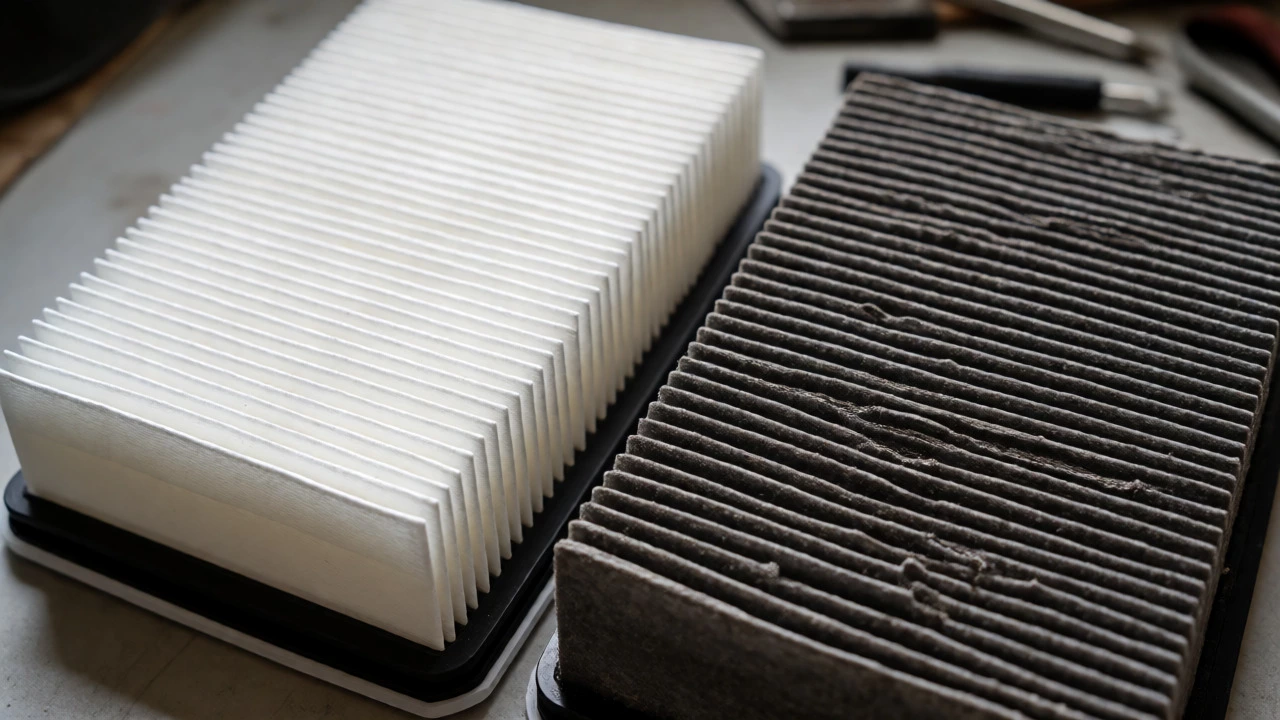
The easiest way to tell if your air filter needs replacing is to look at it. Pop the hood, locate the air intake box (usually a black plastic case near the front of the engine bay), and unclip the cover. Pull out the filter element. It should be clean, with white or light yellow paper pleats. If it looks grey, black, or has visible holes and tears, it’s done. Don’t just shake it out; if the dirt is embedded deep in the fibres, shaking won’t help. A good rule of thumb: if you can see through the filter material easily, it’s still okay. If it looks like a used coffee filter, replace it immediately.
Symptoms You Can Feel While Driving
Sometimes, the problem isn’t obvious until you’re behind the wheel. Your car will start giving you subtle hints that the airflow is restricted. These aren’t always dramatic breakdowns, but rather gradual declines in performance that you might get used to if you ignore them.
- Reduced Acceleration: The car feels heavy or hesitant when you press the gas pedal. It takes longer to reach highway speeds because the engine isn’t getting enough oxygen to burn fuel efficiently.
- Poor Fuel Economy: Have you noticed you’re visiting petrol stations more often? A clogged filter forces the engine to work harder, consuming more fuel for the same distance. Drivers often report a 10-15% drop in mileage when filters are severely blocked.
- Unusual Noises: Listen closely during acceleration. A whistling sound coming from the engine bay is a classic sign of air trying to squeeze past a blocked filter. You might also hear popping sounds after turning off the engine, caused by unburnt fuel igniting in the exhaust.
Check Engine Light and Spark Plug Issues
If your dashboard lights up, don’t panic. The Check Engine Light can trigger for many reasons, but a dirty air filter is a surprisingly common culprit. Modern engines rely on precise air-to-fuel ratios. When the filter blocks airflow, the mixture becomes too rich (too much fuel, not enough air). Sensors detect this imbalance and throw an error code. Before paying for expensive diagnostics, check the filter first. It’s a cheap fix that solves the problem 80% of the time.
Another indirect sign involves your spark plugs. If you’ve had frequent misfires or rough idling recently, pull one out and inspect it. Black soot deposits indicate incomplete combustion, which often stems from insufficient air supply. If the plugs are fouled quickly, the air filter is likely the root cause.
Replacement Intervals vs. Real-World Conditions
Manufacturers typically recommend changing the air filter every 15,000 to 30,000 miles. However, these numbers are averages based on ideal driving conditions. Living in Manchester, with its mix of urban traffic, construction sites, and occasional rural drives, means your filter faces different challenges than someone driving on clear country lanes.
| Driving Environment | Recommended Interval | Why It Matters |
|---|---|---|
| City Driving / Stop-and-Go | Every 15,000 miles | Dust from brakes and road debris accumulates faster in traffic. |
| Highway / Rural Roads | Every 25,000-30,000 miles | Cleaner air allows the filter to last longer between changes. |
| Dusty / Construction Areas | Every 10,000 miles | Fine particulate matter clogs pores rapidly, reducing efficiency. |
If you drive on unpaved roads or live near industrial zones, cut those intervals in half. Inspect the filter visually every time you have your oil changed. It takes two minutes and saves you from potential engine damage down the line.
DIY Replacement Tips
Replacing the filter yourself is straightforward and costs significantly less than a garage job. Most modern cars use panel-style filters that simply slide into a housing. Always buy the correct part number for your specific model-generic fits can leave gaps where unfiltered air sneaks in. When installing the new filter, make sure the rubber seal sits flush against the housing. Any gap here defeats the purpose entirely, letting grit bypass the filter media. Dispose of the old filter responsibly; don’t just toss it in the garden bin, as it’s full of trapped pollutants.
Can I clean my air filter instead of replacing it?
Most standard paper air filters are disposable and cannot be cleaned effectively. Washing them can damage the microscopic fibres, allowing dust to pass through. However, some high-performance or off-road vehicles use reusable cotton-gauze filters (like K&N) that can be cleaned and re-oiled. Check your owner’s manual to see which type you have. If it’s paper, replace it.
How long does it take to replace an air filter?
For most cars, it takes about 5 to 10 minutes. You usually only need a screwdriver or sometimes just your hands to release the clips holding the airbox cover. It’s one of the simplest maintenance tasks you can do at home.
Does a dirty air filter affect the cabin air filter too?
No, they are separate systems. The engine air filter cleans air going into the engine, while the cabin air filter cleans air entering the passenger compartment via the HVAC system. They share similar materials but serve different purposes. Check both regularly, especially if you suffer from allergies.
What happens if I drive with a missing air filter?
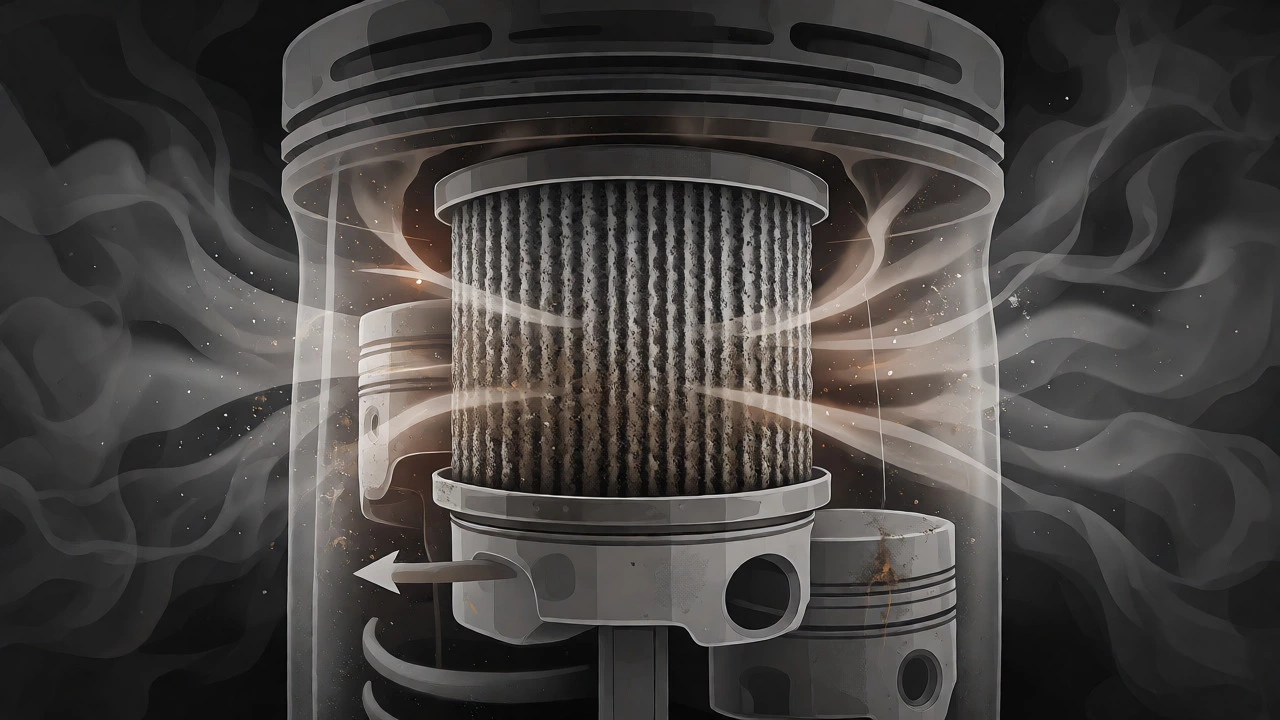
Short-term, you might feel slightly better acceleration due to unrestricted airflow. Long-term, it’s dangerous for your engine. Without a filter, abrasive particles like sand and metal shavings enter the cylinders, causing premature wear on piston rings and cylinder walls. Never drive without a filter installed.
Is it worth buying premium air filters?
For daily driving, standard OEM (Original Equipment Manufacturer) filters are perfectly adequate. Premium filters offer marginal gains in horsepower that are rarely noticeable unless you’re racing. Focus on proper installation and regular replacement rather than expensive brand names.
Keeping your air filter fresh is a small habit with big rewards. It protects your engine, saves money on fuel, and keeps your car responsive. Next time you’re topping up washer fluid, pop the bonnet and give the filter a glance. Your engine will thank you for it.