Suspension Comfort Optimizer
Enter your vehicle's current specifications to receive a personalized plan for softening your suspension.
Comfort Score
Calculating...Personalized Recommendations
Ever hit a pothole and felt your teeth rattle? Or maybe you just bought a set of stiff aftermarket springs that turned your daily driver into something resembling a go-kart. You want comfort, not a spine-compressing workout every time you take a corner. The good news is that making your suspension softer doesn't always require a full rebuild or a massive budget. In fact, several tweaks can significantly improve ride quality without compromising safety.
Before you start swapping parts, understand what "soft" actually means. It’s not just about the car feeling squishy. It’s about how the system absorbs energy from road irregularities. A soft suspension allows more wheel travel and isolates the chassis from high-frequency vibrations. But if you go too far, you get body roll, nose dive under braking, and a boat-like feel on highways. The goal is balance. Let’s break down exactly how to achieve it, starting with the easiest fixes.
Start With Your Tires and Wheels
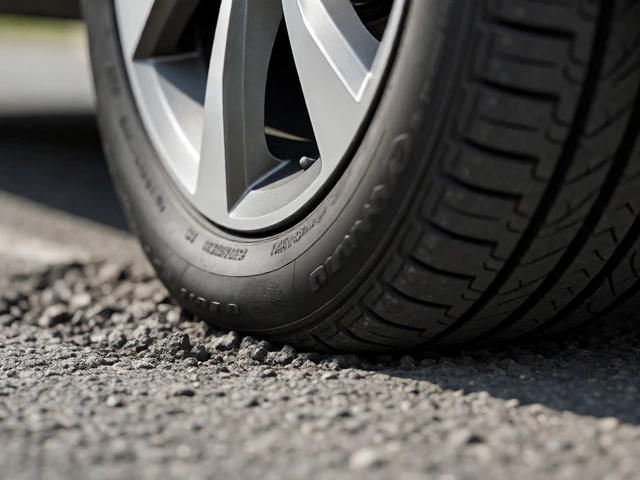
You might be surprised to learn that your tires are part of the suspension system. They absorb the first layer of impact before anything else touches the ground. If your tires are over-inflated, they act like solid rubber blocks rather than cushioned air cushions. Check your door jamb sticker for the manufacturer's recommended PSI. Many drivers run 5-10 PSI higher than recommended for better fuel economy, but this directly translates to a harsher ride.
Dropping your tire pressure by 2-3 PSI within the safe operating range can make an immediate difference. But don’t stop there. Look at your wheel size. Large-diameter wheels (like 19s or 20s) usually require low-profile tires-those short sidewalls look cool but offer zero flex. If you’re stuck on big rims, consider switching to a slightly taller tire profile if clearance allows. Alternatively, swap back to smaller stock wheels with taller sidewalls. This increases the volume of air between the rim and the road, acting as a secondary spring.
- Tire Pressure: Lower to the lower end of the recommended range.
- Sidewall Height: Increase aspect ratio (e.g., from 45 to 55) for more cushion.
- Compound: Touring tires often have softer compounds than performance summer tires.
Adjust Existing Coilovers or Springs
If you already have adjustable coilovers, you have direct control over stiffness. Most coilovers allow you to adjust ride height, which indirectly affects spring preload and effective stiffness. Raising the car slightly can sometimes soften the initial bite, though it may increase body roll. More importantly, check if your dampers have click adjustments. Turning the knob toward "soft" reduces damping force, allowing the spring to do more work. Be careful here; too little damping causes the car to bounce excessively after a bump.
For cars with standard fixed-rate springs, you can’t adjust them directly. However, you can change how they interact with the chassis. One trick involves installing helper springs or progressive rate springs. Progressive springs have tighter coils at one end and looser at the other. They stay soft during normal driving but stiffen up when you need support during hard cornering. This is a great middle-ground solution for daily drivers who occasionally push harder.
Upgrade Shock Absorbers
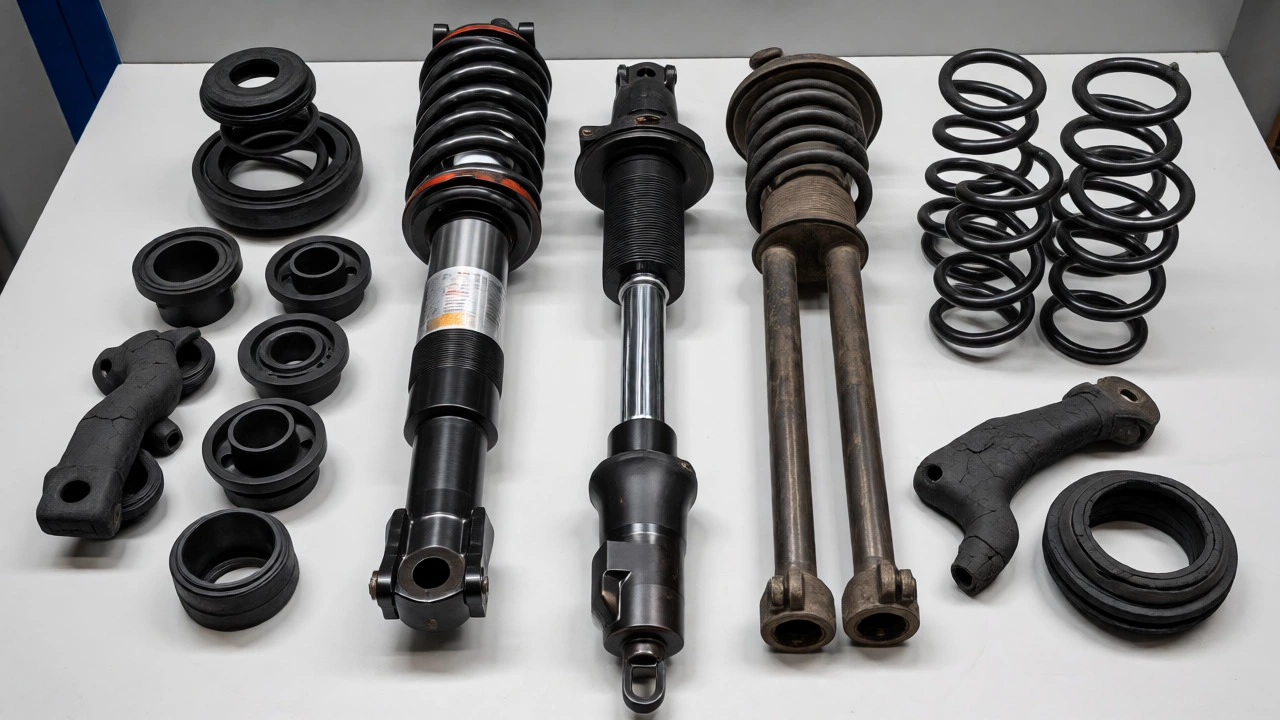
The most common reason for a harsh ride isn’t the spring-it’s the damper. Shock absorbers control the speed at which the spring compresses and rebounds. Old, worn-out shocks lose their ability to dampen oscillations, leading to a bouncy, uncomfortable ride. Conversely, brand-new OEM shocks might be tuned for handling, sacrificing comfort.
Consider upgrading to gas-charged monotube shocks designed for comfort. Brands like Bilstein B6 or KYB Excel-G offer a noticeable improvement in ride quality compared to basic twin-tube units. These shocks use pressurized nitrogen to prevent fluid foaming, ensuring consistent damping even on rough roads. When choosing new shocks, look for specifications that mention "comfort-oriented" or "touring." Avoid "sport" or "track" variants unless you truly prefer a firm connection to the road.
| Feature | OEM Twin-Tube | Gas-Charged Monotube | Performance Sport |
|---|---|---|---|
| Ride Quality | Average | Soft/Comfortable | Firm/Harsh |
| Durability | Moderate | High | High |
| Cost | $ | $$ | $$$ |
| Best For | Budget Repairs | Daily Driving | Track Days |
Check Bushings and Mounts
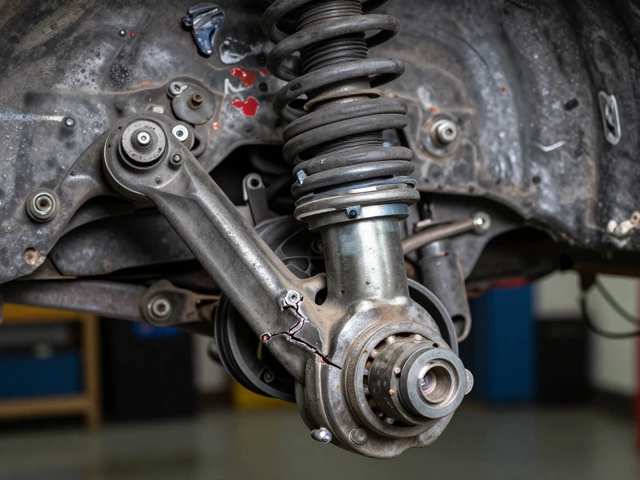
Here’s a detail many mechanics overlook: rubber bushings. These small components isolate metal parts from each other, reducing noise and vibration transmission. Over time, rubber dries out, cracks, or hardens due to age and ozone exposure. Hardened bushings transmit every crack in the pavement directly to the cabin. Replacing old, hardened control arm bushings with fresh, softer rubber ones can dramatically quieten the ride.
Don’t forget the strut mounts. These sit between the top of the shock assembly and the car’s body. Worn or broken mounts cause clunking noises and transfer sharp impacts. Installing polyurethane mounts might seem like a good idea for durability, but polyurethane is stiffer than rubber. If comfort is your priority, stick to high-quality rubber or hybrid rubber-poly mounts. Some enthusiasts install urethane bushings thinking they’ll last forever, only to find their car feels harsher than before.

Weight Distribution and Alignment
Your car’s weight distribution plays a role in how the suspension behaves. A heavily loaded trunk shifts the rear axle’s load, potentially causing the rear suspension to bottom out more easily. Conversely, removing unnecessary weight from the front (like heavy aftermarket audio systems or bull bars) can lighten the front end, making the steering feel lighter and the ride less punishing over bumps.
Alignment matters too. Incorrect camber or toe settings can cause uneven tire wear and affect how the tires contact the road. While alignment doesn’t directly change spring rates, proper geometry ensures the suspension works as intended. Misaligned wheels fight against the suspension’s natural movement, creating resistance that feels like stiffness. Get a four-wheel alignment checked if you’ve recently changed wheels or lowered the car.
When to Consider Air Suspension
If you want ultimate adjustability, look into air suspension kits. These replace steel springs with air bags filled with compressed air. By adjusting the air pressure via a compressor, you can switch from rock-hard track mode to cloud-soft cruising mode instantly. Kits from manufacturers like AccuAir or Firestone provide excellent results. The downside? Cost and complexity. Air lines can leak, compressors can fail, and repairs are pricier than traditional setups. But for those who refuse to compromise between comfort and stance, it’s the gold standard.
Remember, modifying suspension changes handling characteristics. Softening the ride often increases body roll. Test drive your car after each modification. Start with cheap fixes like tire pressure and bushings before spending hundreds on shocks or springs. You might find that simple maintenance restores the factory comfort level you missed.
Does lowering my car make the suspension softer?
Not necessarily. Lowering springs often have higher spring rates to prevent bottoming out, which makes the ride stiffer. To keep a lowered car comfortable, pair them with softer dampers or progressive springs.
Can I cut my existing springs to make them softer?
Cutting springs lowers the car and technically increases the spring rate (makes it stiffer) because there are fewer active coils. It rarely makes the ride softer and can lead to poor handling or premature failure.
How much does it cost to upgrade to softer shocks?
A set of quality comfort-oriented shocks typically ranges from $200 to $600 depending on the vehicle. Labor adds another $150-$300. Prices vary by brand and region.
Do softer tires wear out faster?
Softer compound tires generally wear faster than harder touring tires. However, running lower pressure within safe limits doesn't significantly accelerate wear if alignment is correct.
Is air suspension worth it for comfort?
Yes, if you prioritize adjustable comfort and have the budget. It offers the widest range of ride characteristics but requires more maintenance than steel springs.