Exhaust System Selector Tool
Recommended Options
There is nothing quite like the sound of a properly tuned engine. It’s deep, rhythmic, and tells you exactly what your car is doing. But there is also nothing more annoying than a neighbor complaining because your morning drive sounds like a lawnmower fighting a jet engine. Choosing the right exhaust system is a critical automotive upgrade that balances noise, performance, and legal compliance. It is not just about making noise; it is about managing gas flow, reducing backpressure, and ensuring your engine breathes efficiently.
If you have been staring at a catalog of pipes, mufflers, and resonators, feeling overwhelmed by terms like "cat-back," "axle-back," and "straight pipe," you are not alone. The market is flooded with options ranging from cheap, noisy junk to precision-engineered performance parts. Getting this wrong can cost you money, void your warranty, or even get you fined. Let’s break down exactly how to pick the system that fits your driving style, your budget, and local laws.
Understanding What an Exhaust System Actually Does
Before you spend a dime, you need to understand the job the exhaust does. It isn’t just a tube to get rid of smoke. The primary function is to remove toxic gases from the combustion chamber safely and quietly. More importantly, it manages backpressure, which is the resistance the engine faces when trying to push out spent gases.
High backpressure chokes the engine, forcing it to work harder to expel waste, which kills horsepower. Low backpressure allows gases to exit freely, letting the engine breathe easier. However, if you eliminate too much backpressure (like in a straight-pipe setup), you can lose low-end torque, making the car feel sluggish in city traffic. The goal is a sweet spot where the engine breathes well without losing its punch at lower RPMs.
The system typically consists of several key components:
- Exhaust Manifold/Header: Collects gases from each cylinder.
- Catalytic Converter: Reduces harmful emissions (required by law in most places).
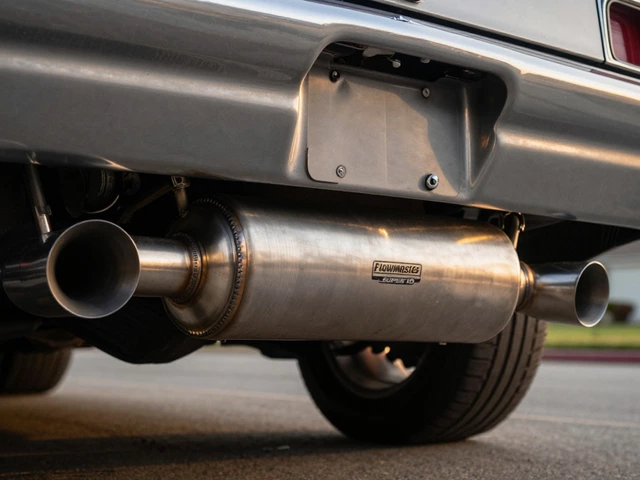
- Muffler: Dampens noise using chambers and baffles.
- Resonator: Targets specific frequencies to reduce drone.
- Pipes and Tips: Route the gas and provide the final aesthetic touch.
Types of Exhaust Upgrades Explained
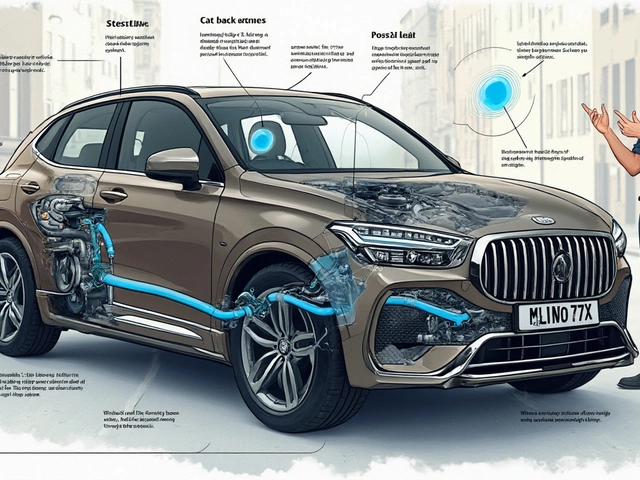
Not all upgrades are created equal. When shopping, you will see three main categories. Knowing the difference helps you decide how much change you actually want.
| Type | Components Replaced | Noise Level | Performance Gain | Cost Range |
|---|---|---|---|---|
| Axle-Back | From rear axle to tailpipe | Moderate increase | Minimal (mostly cosmetic/sound) | £300 - £800 |
| Cat-Back | From catalytic converter to tailpipe | Significant increase | Moderate (better flow) | £600 - £1,500 |
| Header-Back / Full System | Entire system including manifold | Very loud | Maximum (requires tuning) | £1,500+ |
Axle-Back Systems are the safest bet for beginners. You keep the factory catalytic converter and front piping, swapping only the muffler and rear pipes. This gives you a sportier tone without risking emission failures or excessive drone. It is often enough to satisfy the itch for a deeper sound while keeping the car livable for daily commuting.
Cat-Back Systems replace everything behind the catalytic converter. This includes the mid-pipes, which often have tighter bends and smaller diameters in stock setups. By widening these pipes, you improve flow significantly. Expect a noticeable gain in mid-range power and a much louder, more aggressive exhaust note. This is popular among enthusiasts who want real performance changes but still want to pass basic emissions tests.
Full Systems (Header-Back) involve replacing the manifolds or headers as well. Headers use individual tubes for each cylinder instead of a cast iron manifold, drastically reducing heat and improving scavenging. This offers the biggest horsepower gains but usually requires an ECU tune to prevent the engine computer from going into limp mode due to oxygen sensor readings changing. These systems are often very loud and may not be street-legal everywhere.
Material Matters: Stainless Steel vs. Aluminized Steel
You might notice a huge price difference between two seemingly identical systems. The culprit is usually the material. Cheap systems use aluminized steel, which is essentially mild steel coated with aluminum. It looks shiny when new but rusts through within a year or two, especially in wet climates like Manchester.
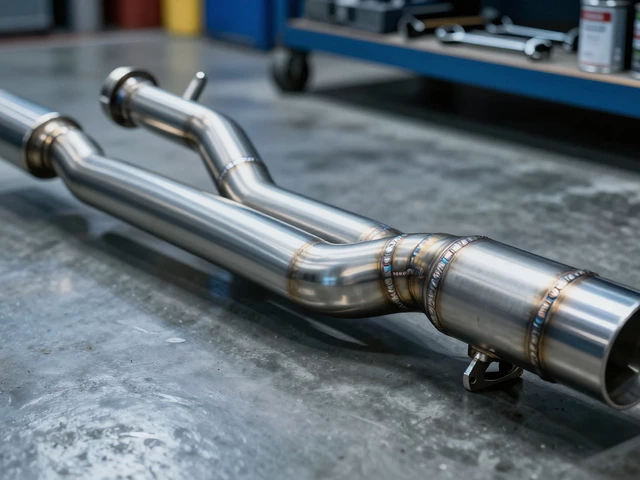
T304 Stainless Steel is the industry standard for quality aftermarket exhausts due to its corrosion resistance and durability. It resists rust, maintains its shape under high heat, and lasts for the life of the vehicle. Look for grades like T304 or T409. If a brand doesn’t specify the grade, assume it is cheap steel. Welding quality is another indicator; look for smooth, consistent welds rather than spotty, messy joins that can crack over time.
Sound Profile: Avoiding the Drone Trap
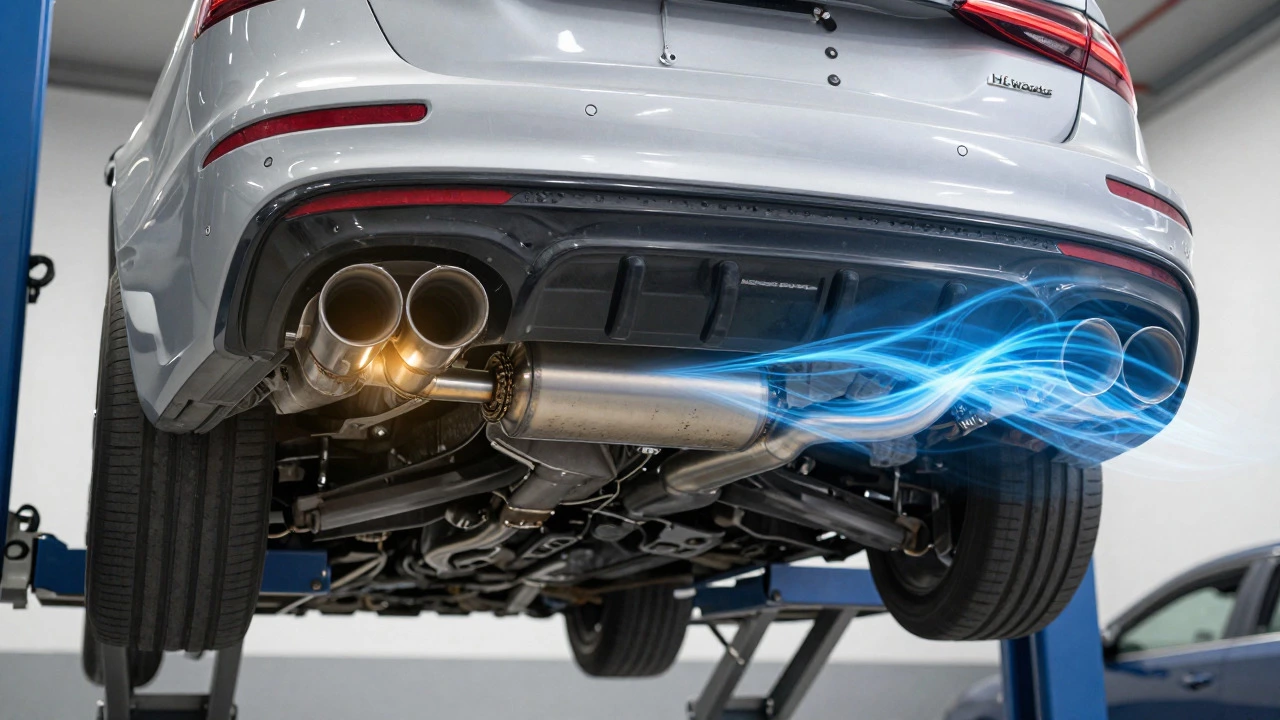
This is where most people go wrong. They buy a loud exhaust, love it for a week, and then hate it because of drone. Drone is a low-frequency humming vibration that occurs at certain RPMs, usually around 2,000 to 3,000 RPM. It vibrates inside your cabin, causing headaches and fatigue during highway cruising.
High-quality manufacturers use resonators to cancel out specific sound frequencies that cause unpleasant drone. Some brands offer different muffler cores. For example, Borla offers "ATK" (Active Thermal Core) technology that opens up at higher RPMs for volume but stays quiet at idle. Flowmaster uses "Super 40" series mufflers designed specifically to minimize resonance. Always listen to a video review of the specific system on a similar car model before buying. YouTube searches for "[Car Model] [Exhaust Brand] review" are invaluable here.
Legal Compliance and Emissions
In the UK and many other regions, modifying your exhaust can affect your MOT (Ministry of Transport) test. The key rules are simple but strict:
- No Excessive Noise: The exhaust must not make any unusual or excessive noise. If it rattles, clanks, or is significantly louder than the manufacturer’s specification, you will fail.
- Catalytic Converter Integrity: You cannot delete or damage the catalytic converter. The lambda sensors (O2 sensors) must read correctly. If your check engine light comes on because the system detects a missing cat, you fail.
- Secure Fitment: The system must be securely attached and not leak excessively near the chassis.
Many modern cars have multiple O2 sensors. Deleting a cat triggers a fault code immediately. To stay legal, stick to axle-back or cat-back systems that retain the original catalytic converter. If you go for a full system, ensure it uses "high-flow" catalytic converters that are legally compliant, though these are expensive and hard to find.

Budgeting and Installation Realities
An exhaust system is rarely just the cost of the parts. Labor costs vary wildly. An axle-back swap might take a mechanic 30 minutes, costing around £50-£100 in labor. A full system removal involves cutting, grinding, and potentially removing underbody shields, taking 2-4 hours.
If you are handy with tools, you can save money by installing it yourself. You will need:
- Jack stands and a jack
- Penetrating oil (for rusty bolts)
- Socket set and wrenches
- Angle grinder (if bolts shear off, which they often do)
- New gaskets and clamps
Factor in the cost of professional installation if you lack the space or tools. A cheap exhaust installed poorly will rattle and leak, negating any performance benefits.
Top Brands to Consider
While personal preference plays a role, some brands consistently deliver better engineering and customer support.
- Borla: Known for aggressive American muscle car tones and ATK technology.
- MagnaFlow: Focuses on high-flow performance with less emphasis on extreme noise.
- Akedo: Popular in Europe for precise fitment and balanced sound profiles.
- Milltek: A UK-based favorite, known for durable stainless steel systems tailored for European models.
- Xpand Performance: Offers modular systems that allow you to adjust volume via removable valves.
Research reviews specific to your vehicle. A system that sounds great on a Ford Mustang might sound tinny on a BMW 3-Series due to differences in engine displacement and mounting points.
Final Checklist Before You Buy
Before clicking "buy," run through this quick mental checklist:
- Does it fit my exact year, make, and model? (Engine codes matter!)
- Is it made of T304 stainless steel?
- Have I listened to a real-world sound clip of this system on my car?
- Will it pass my local emissions/noise regulations?
- Does the price include shipping and potential installation costs?
Choosing an exhaust is a balance of science and art. Get the flow right for performance, pick the material for longevity, and tune the sound for enjoyment. Do your homework, listen to examples, and invest in quality. Your ears-and your engine-will thank you.
Will a new exhaust system increase my fuel economy?
Slightly. By reducing backpressure, the engine works less hard to expel gases, which can improve efficiency by 1-3%. However, if the louder sound encourages you to drive more aggressively, you might negate those savings. The primary benefit is performance, not MPG.
Can I install an exhaust system myself?
Yes, especially axle-back systems. You will need basic hand tools, penetrating oil, and possibly an angle grinder if bolts are seized. Full systems are more complex and may require removing heat shields and subframes, so professional help is recommended if you aren't experienced.
What is the difference between a cat-back and axle-back exhaust?
An axle-back replaces only the muffler and pipes from the rear axle backward. A cat-back replaces everything from the catalytic converter back, including the mid-pipes. Cat-back systems generally offer better performance gains and a louder sound because they improve flow throughout the entire rear section.
Will a performance exhaust void my warranty?
In many jurisdictions, dealerships cannot void your entire warranty just because you changed the exhaust. However, if the exhaust modification causes engine damage (e.g., due to improper tuning or lean conditions), they can deny claims related to that damage. Axle-back systems are generally considered safe and rarely trigger warranty disputes.
How do I stop exhaust drone?
Choose a system with built-in resonators or active core technology. Brands like Borla, MagnaFlow, and Akedo design their mufflers to cancel out low-frequency vibrations. Listening to real-world reviews on your specific car model is the best way to avoid drone-prone systems.